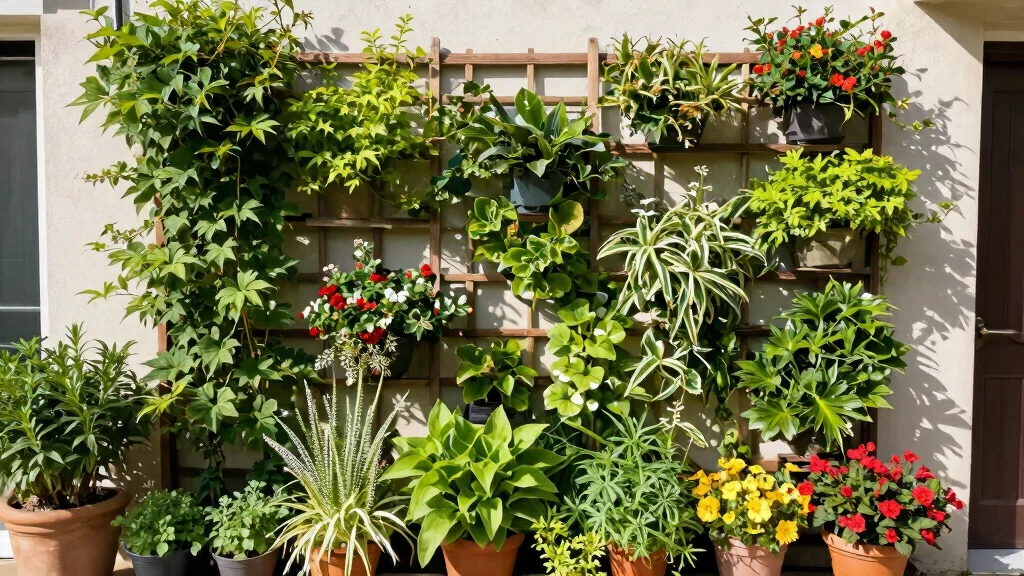
Creating a cozy garden space in your home can feel like a lofty challenge, especially when you’re working with limited square footage. That’s where trellis plants come in! I’ve been diving deep into the world of vertical gardening lately, and I’m truly excited to share the possibilities with you. There’s something so satisfying about watching climbing plants wrap around trellises, bringing life and beauty to small spaces.
If you’re a gardening enthusiast, a novice, or even just someone who wants to add a bit of greenery to your home, this guide is for you. You’ll find that the right climbing plants can transform blank walls or fences into stunning vertical gardens. These plants are not only visually appealing but can also serve functional purposes, such as providing shade or even producing fruit.
In this post, I’ve gathered 15 trellis plant ideas that are sure to inspire you. You’ll discover plants that offer fragrance, color, or even edible bounty, all while being perfect for your small gardening space. Whether you’re looking for classic roses or exotic vines, there’s something here for everyone. Let’s explore how to elevate your vertical gardening game and make your outdoor—or indoor—space flourish!
Key Takeaways
– Variety of Climbers: Explore 15 different trellis plants ranging from fragrant sweet peas to exotic passionflowers, offering a wide selection for every garden style.
– Small Space Solutions: Learn how vertical gardening makes efficient use of limited space, allowing you to grow more plants in small areas.
– Functional Beauty: Discover climbing plants that not only beautify your space but also provide shade or edible fruit, enhancing your garden’s functionality.
– Seasonal Interest: Many of these plants bloom at different times, ensuring your garden remains vibrant and lively throughout the seasons.
– Practical Tips: Gain actionable advice on how to choose, plant, and maintain your trellis plants to keep them healthy and thriving.
1. Sweet Peas: The Fragrant Climbers
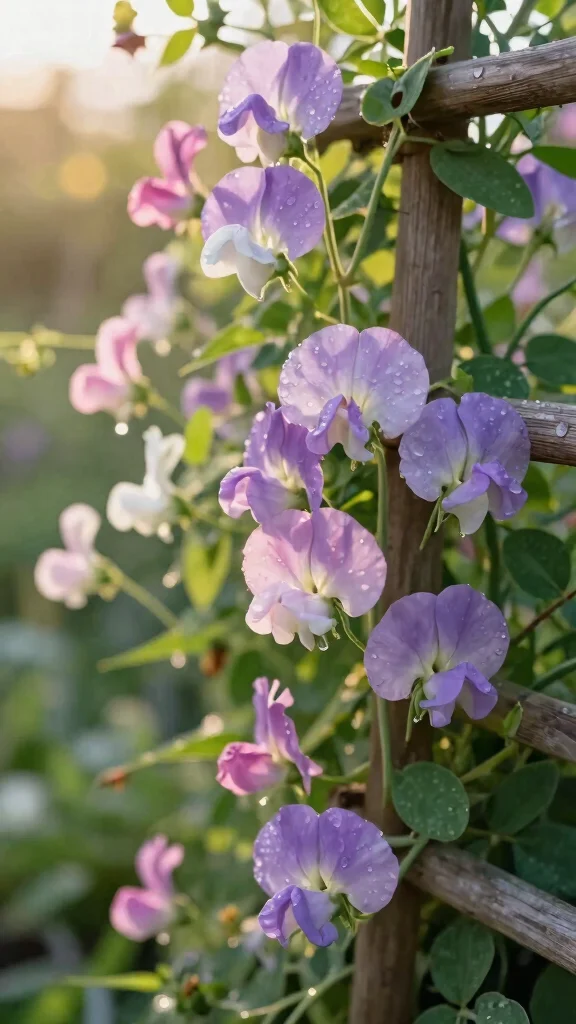
If you’re seeking a delightful addition to your garden, sweet peas are the perfect choice! Known for their enchanting fragrance and colorful blooms, these charming climbers will create a captivating atmosphere in your outdoor space. With colors ranging from gentle pastels to vibrant shades, they can reach heights of 5-6 feet, making them ideal for trellises or garden arches.
To ensure a successful growing experience, provide them with plenty of water and support them with netting or a trellis. Experimenting with different varieties each year keeps your garden fresh and exciting.
Tips for Growing Sweet Peas:
– Select a sunny spot for optimal growth.
– Plant seeds about 1 inch deep in well-draining soil.
– Use a balanced fertilizer to promote abundant blooms.
With sweet peas in your garden, you’ll enjoy both vibrant beauty and delightful scents all season long.
2. Climbing Roses: Classic Elegance
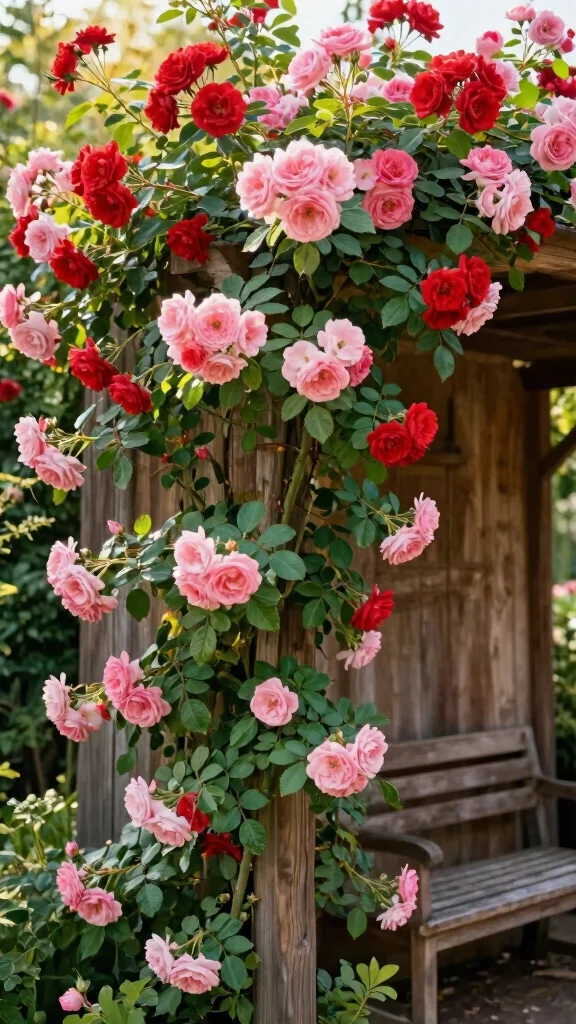
Imagine transforming a dull wall or trellis into a stunning focal point with climbing roses. These perennials not only exude classic beauty but can also climb up to 20 feet, providing a breathtaking display of blooms throughout the season. Available in a variety of colors and fragrances, they cater to any garden style beautifully.
To showcase their elegance, train the canes along your trellis as they grow. Regular pruning is vital for maintaining their shape and encouraging more blooms for a vibrant display.
Essential Tips for Growing Climbing Roses:
– Plant in rich, well-draining soil for best results.
– Water deeply but infrequently to develop strong roots.
– Fertilize in spring and after the first bloom cycle to maximize flowering.
With a little attention, climbing roses can create a romantic ambiance in your garden that will impress everyone.
3. Clematis: The Versatile Beauty
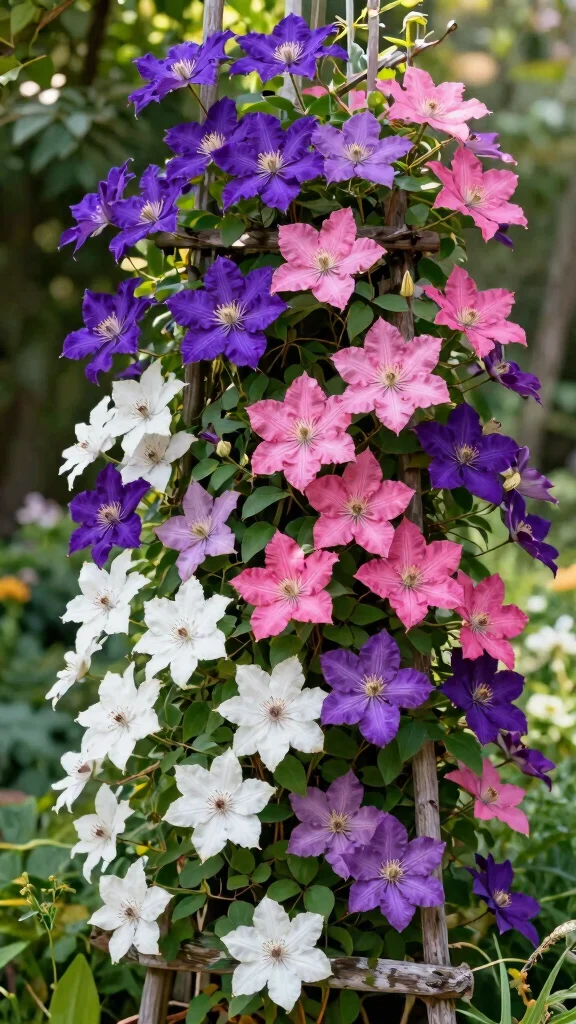
Clematis is a spectacular climbing plant that adapts beautifully to various growing conditions. Known for their large, eye-catching flowers, these plants can be the star of any trellis. Blooming from spring through fall, clematis offers an impressive range of colors, from soft pastels to bold jewel tones, ensuring a stunning visual impact.
Depending on the variety, clematis can reach heights of 6 to 15 feet, making them perfect for vertical gardening. Providing the right care will help you enjoy their beauty for years to come.
Care Tips for Clematis:
– Opt for a spot that receives full sun for at least half the day.
– Keep the base of the plant cool while allowing the top to bask in sunlight.
– Prune according to the variety to promote healthy flowering.
With their stunning blooms, clematis can effortlessly elevate your garden’s charm, making it a delightful retreat.
4. Jasmine: Sweet Smell of Summer
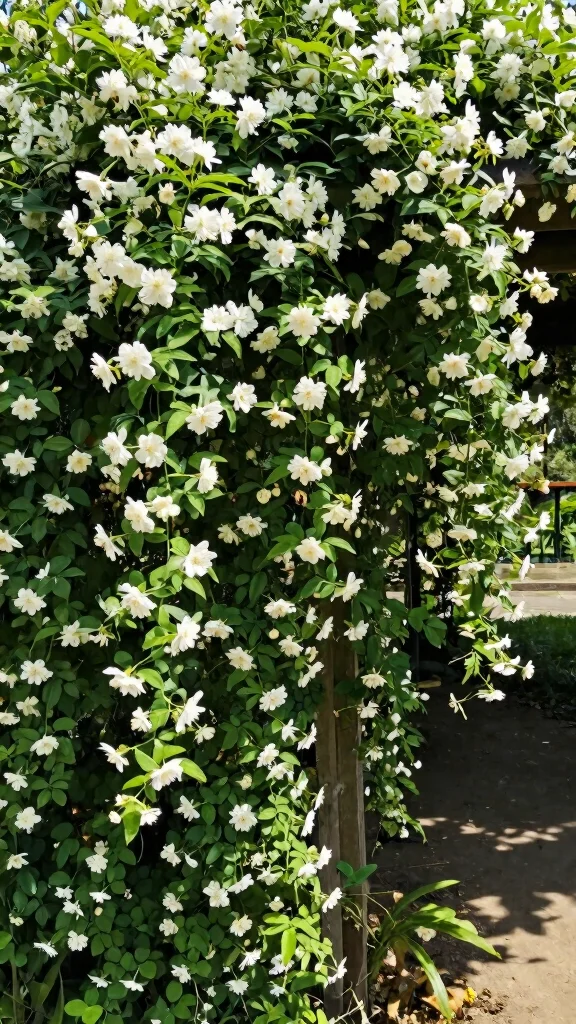
If you’re looking for a climbing plant that enchants with fragrance, jasmine is a top contender. This lovely plant thrives on trellises, especially in warmer climates where it can flourish. Jasmine can grow up to 20 feet, showcasing clusters of small, fragrant white or yellow flowers in summer that not only attract pollinators but also fill your outdoor space with delightful scents.
To cultivate jasmine successfully, ensure it receives ample sunlight and regular watering, while avoiding overwatering. Pruning will help maintain its shape and encourage bushier growth for a fuller appearance.
Tips for Growing Jasmine:
– Provide a sunny location to promote vigorous growth.
– Water consistently during dry spells but avoid soggy soil.
– Regularly prune to maintain the desired shape.
Jasmine’s captivating fragrance and lush foliage can turn any small space into a tropical paradise you’ll love to enjoy.
5. Passionflower: Exotic Appeal
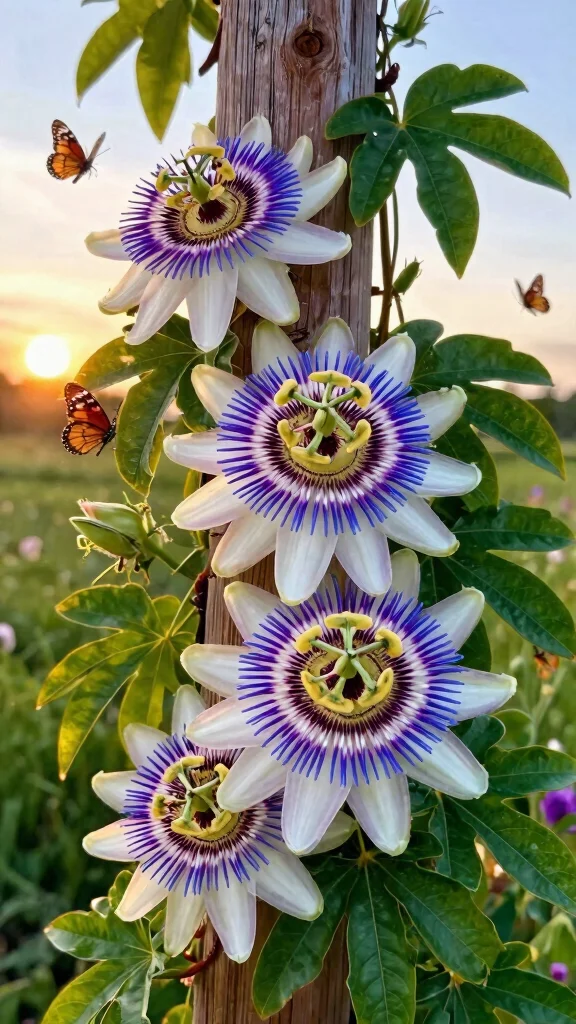
Bring a touch of the exotic to your garden with passionflower, a climbing plant that captivates with its intricate blooms. Growing up to 30 feet, passionflower can beautifully cover large trellises while attracting butterflies, making it a delightful addition. Not only are the colorful flowers stunning, but they also produce edible fruit, combining beauty and functionality in your garden.
To care for your passionflower, plant it in a sunny location with well-draining soil and ensure it receives regular watering, particularly during the fruiting season. Pruning will help control growth and encourage new blooms for a vibrant display.
Caring for Passionflower:
– Select a sunny spot with well-drained soil for optimal growth.
– Water consistently, especially when fruiting.
– Prune to manage growth and promote blooming.
With its vibrant flowers and unique structure, passionflower stands out as a remarkable choice for any garden.
Fun fact: Passionflower can climb up to 30 feet, turning large trellis plants into a butterfly-attracting display. Plant in full sun with well-draining soil and you’ll soon harvest edible fruit along the way.
6. Hops: Nature’s Climber
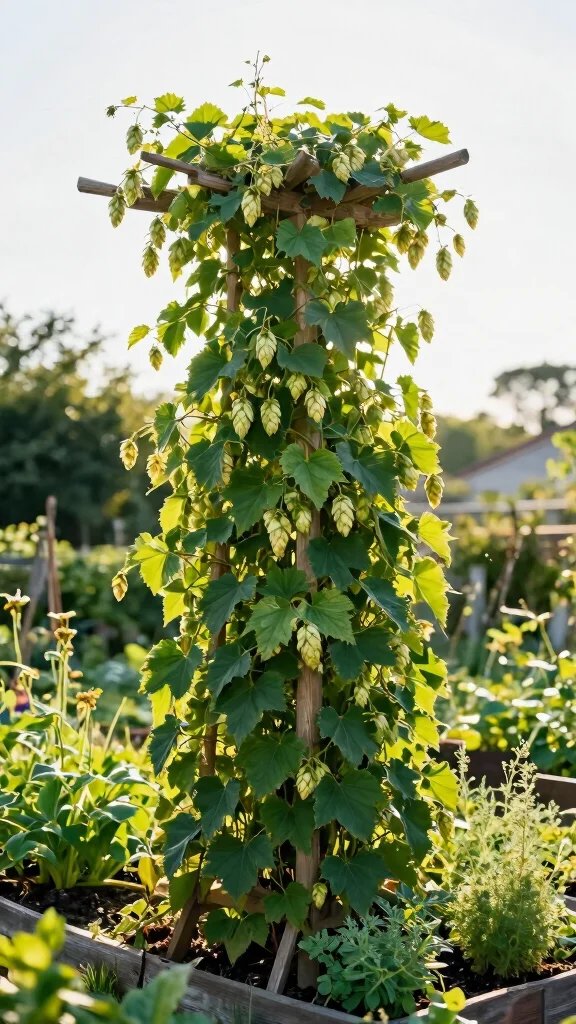
Hops are not just for your favorite beer; they also make an impressive climbing plant! These vigorous growers can reach heights of 25 feet in a single season, making them perfect for small-space trellises. With lush green foliage and attractive cone-shaped flowers, hops add a unique touch to your garden while providing privacy and charm.
For the best results, plant hops in a sunny area with well-drained soil and water them regularly, avoiding sogginess. Training the vines to climb securely will help them thrive and create a beautiful display.
Tips for Growing Hops:
– Choose a sunny location with well-draining soil.
– Water consistently but avoid waterlogged conditions.
– Securely train the vines to climb the trellis.
With their rapid growth and distinctive appearance, hops can create a stunning green screen that enhances your vertical garden’s allure.
7. Ivy: Timeless Classic
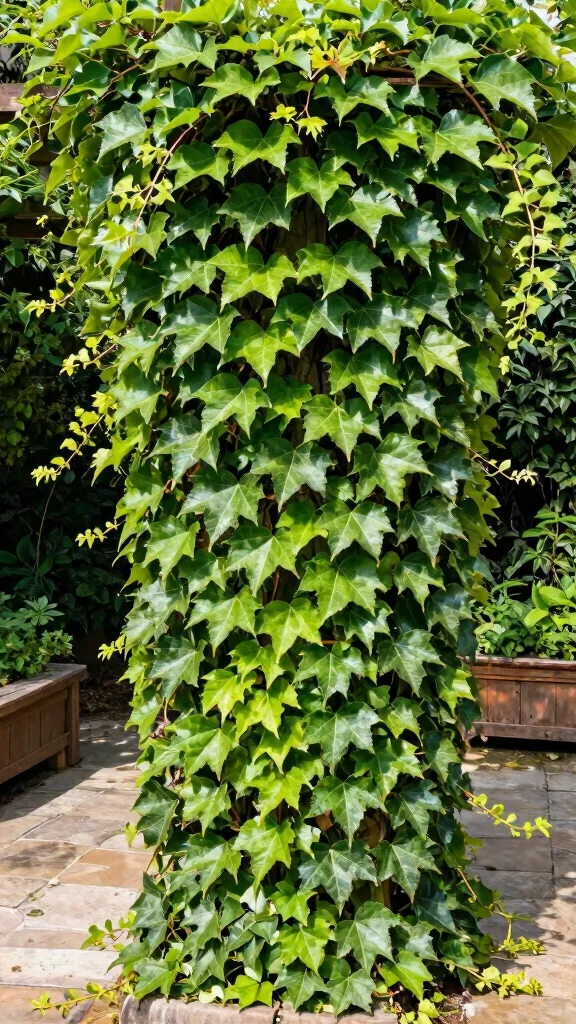
Ivy is a timeless climbing plant that adds elegance to any space. Its hardy nature allows it to thrive in various environments, making it suitable for both indoor and outdoor trellises. With beautiful evergreen leaves, ivy creates a lush backdrop year-round and quickly covers trellises, offering excellent privacy.
For optimal growth, choose a location with partial to full shade and water moderately, especially during dry spells. Regular pruning is crucial for maintaining shape and controlling growth, ensuring a neat appearance.
Tips for Growing Ivy:
– Select a spot with partial to full shade for best results.
– Water moderately, especially during dry periods.
– Regularly prune to encourage healthy growth.
Ivy’s adaptability and timeless beauty make it a favorite choice for enhancing any vertical space.
Top Varieties for Different Conditions
1. Sweet Peas
– Best conditions: Cool temperate climates, ideal for spring and fall planting.
– Key features: Sweet peas are known for their delightful fragrance and vibrant colors. They grow quickly and can reach up to 6 feet tall, making them perfect for vertical gardening.
– Considerations: Sweet peas require a trellis for support and may need regular watering to thrive.
2. Climbing Roses
– Best conditions: Well-drained soil and full sunlight; perfect for sunny gardens.
– Key features: Climbing roses are classic and elegant, offering beautiful blooms that add charm to any garden. Some varieties can grow up to 20 feet!
– Considerations: They need regular pruning and care to prevent diseases like black spot.
3. Clematis
– Best conditions: Adaptable to many climates, especially temperate zones with moderate temperatures.
– Key features: Clematis comes in a variety of colors and bloom sizes, providing versatility in any garden space. They can bloom from spring to fall, adding seasonal interest.
– Considerations: Clematis prefers rich, well-drained soil and may need protection from strong winds.
4. Jasmine
– Best conditions: Warm climates or sheltered areas; thrives in full sun to partial shade.
– Key features: Jasmine plants produce lovely flowers known for their sweet scent, making them perfect for patios and trellises. Some varieties can grow up to 12 feet tall.
– Considerations: Jasmine requires regular water and well-drained soil to prevent root rot.
5. Bougainvillea
– Best conditions: Hot and dry climates, ideal for sunny positions in gardens.
– Key features: This tropical climber is celebrated for its vibrant colors and can add a splash of color to any vertical space. Bougainvillea can grow rapidly, reaching heights of up to 30 feet.
– Considerations: It requires a sturdy support structure and regular pruning to maintain shape and health.
6. Hops
– Best conditions: Prefer cool to temperate climates with plenty of sunlight.
– Key features: Hops are not only useful for brewing beer, but they also create a lush green backdrop in your garden. They can climb up to 20 feet quickly!
– Considerations: Hops may require a tall trellis and careful water management to avoid water stress.
7. Morning Glory
– Best conditions: Thrives in sunny and warm areas, especially in summer.
– Key features: Morning glories bloom beautifully with trumpet-shaped flowers that open in the morning. They can grow rapidly, reaching heights of 10 feet or more.
– Considerations: These plants can become invasive, so regular pruning is necessary to keep them in check.
Climate/Condition Guide:
– Temperate: Choose sweet peas and climbing roses for cooler weather.
– Continental: Opt for clematis for its adaptability and long bloom period.
– Coastal: Jasmine performs well in warmer coastal climates, benefiting from the sunlight.
– Hot/Dry: Bougainvillea and hops thrive in these conditions, adding color and utility.
– Humid: Morning glory can flourish in humid conditions but may need watching to prevent invasiveness.
Growing Tips:
– Always choose the right trellis height based on the plant’s expected growth.
– Ensure your plants receive adequate sunlight and water according to their specific needs.
Avoid:
– Don’t let climbing plants become overgrown; regular pruning helps maintain shape and health.
– Avoid planting aggressive climbers too close to delicate plants to prevent overshadowing or competition.
8. Bougainvillea: A Splash of Color
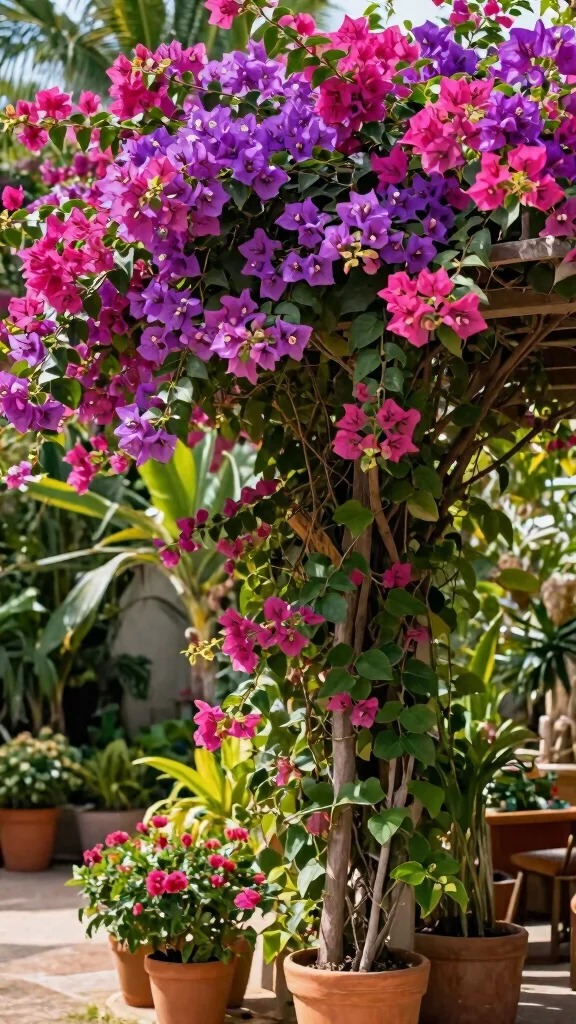
Bougainvillea is celebrated for its vibrant, paper-like bracts that come in dazzling colors such as magenta, orange, and purple. This tropical beauty thrives in sunny locations, climbing up to 30 feet, making it an excellent choice for trellises and fences alike. The cascading hues create a stunning visual display that captivates any garden.
Bougainvillea flourishes in warm climates, making it ideal for gardeners in USDA zones 10-11. To maintain its beauty, ensure it receives plenty of sunlight and water deeply, allowing the soil to dry out between watering. Pruning will keep the plant manageable and enhance its blooming.
Tips for Growing Bougainvillea:
– Ensure at least 5 hours of sunlight daily.
– Water deeply but let the soil dry between watering.
– Prune to promote blooming and control growth.
For a vibrant burst of color and tropical vibes, bougainvillea is a fantastic choice for your vertical garden.
9. Morning Glory: Bright and Cheerful
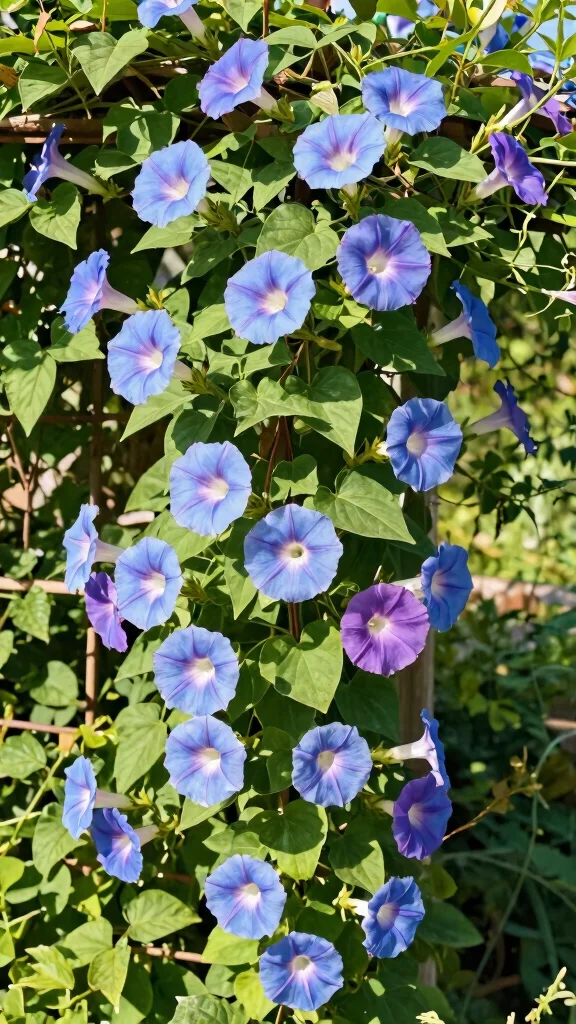
Bring a cheerful splash of color to your trellis with morning glory, a delightful annual climbing plant. These fast-growing vines can reach heights of 10-15 feet and produce stunning trumpet-shaped flowers in shades of blue, purple, and pink. Blooming in the morning and closing in the afternoon, they add a whimsical touch to your garden.
Morning glories thrive in full sun and are easy to grow, making them perfect for gardeners of all levels. To promote healthy growth, plant in well-draining soil and water regularly during dry spells. Deadheading spent flowers encourages more blooms for an ongoing display of color.
Tips for Growing Morning Glory:
– Plant in well-draining soil in a sunny location.
– Water consistently, especially during dry spells.
– Deadhead flowers to encourage additional blooms.
For a vibrant and cheerful addition to your vertical garden, morning glories are an excellent choice!
10. Wisteria: Dramatic Elegance

Wisteria embodies dramatic beauty with its breathtaking cascades of fragrant flowers. This perennial climbing plant can grow up to 30 feet, making it a stunning addition to any trellis. Blooming in shades of purple, blue, or white, the enchanting flowers create a striking display that will leave a lasting impression.
Wisteria prefers sunny spots with well-draining soil, making it ideal for warmer climates. Regular pruning is essential to manage its growth and promote healthy flowering.
Wisteria Care Tips:
– Plant in a sturdy structure to support its weight.
– Water deeply, particularly during dry periods.
– Fertilize in early spring for vibrant blooms.
With its stunning draping flowers, wisteria can transform any vertical space into a captivating focal point.
11. Black-eyed Susan Vine: Cheerful Climber
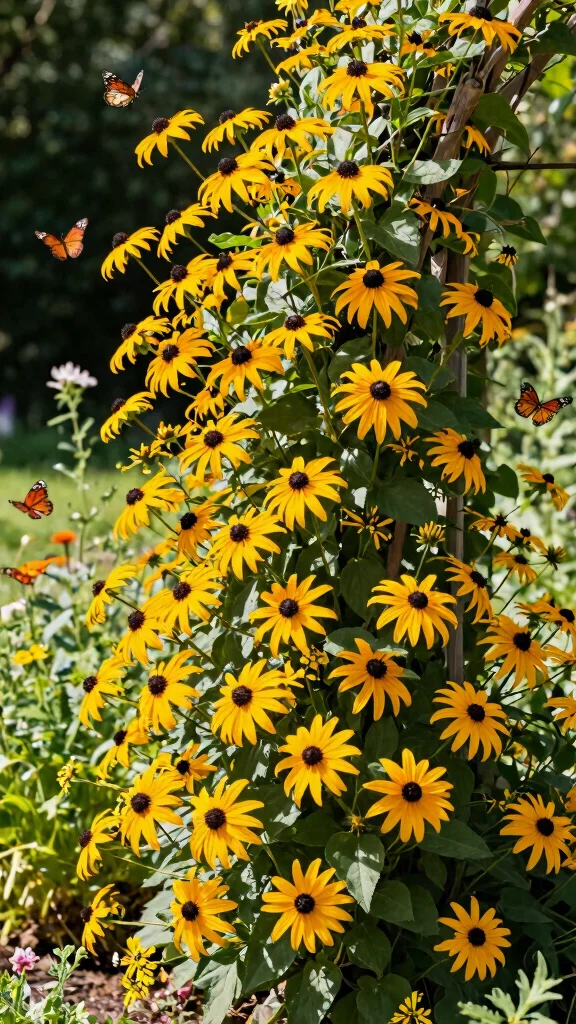
Brighten up your vertical space with the cheerful black-eyed Susan vine, known for its vibrant yellow flowers and dark centers. These annuals can grow 8-10 feet tall and thrive in full sun, blooming throughout the summer for a cheerful garden display.
Perfect for balconies or small gardens, black-eyed Susans are easy to grow and maintain, attracting butterflies and hummingbirds for added liveliness. To ensure their success, plant in well-draining soil and water regularly during dry spells. Pinching back the tips encourages bushier growth and more flowers.
Tips for Growing Black-eyed Susan Vines:
– Plant in sunny, well-draining soil for best results.
– Water consistently, especially during dry spells.
– Pinch back tips to encourage fuller growth.
For a bright and cheerful touch, consider adding black-eyed Susan vines to your trellis!
12. American Bittersweet: A Robust Climber
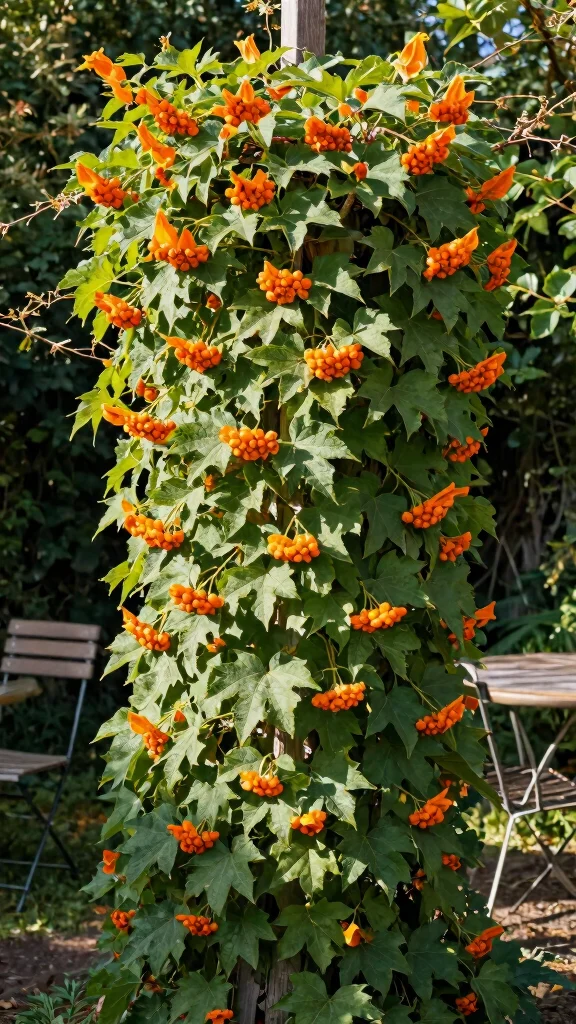
American bittersweet is a robust climbing vine that stands out with its striking orange berries and vibrant green leaves. This perennial can reach heights of 30 feet, making it a fantastic choice for large trellises in small gardens.
Thriving in full sun and well-drained soil, this plant adds a splash of color during fall with its bright berries that attract birds. Regular pruning is crucial for controlling growth and promoting flowering in spring.
Tips for Growing American Bittersweet:
– Water regularly during dry spells to maintain healthy roots.
– Provide a sturdy trellis for support as it climbs.
– Fertilize in spring to encourage robust growth.
American bittersweet can bring a lovely seasonal touch to your garden while creating a vibrant visual display.
13. Scarlet Runner Bean: Edible Climber
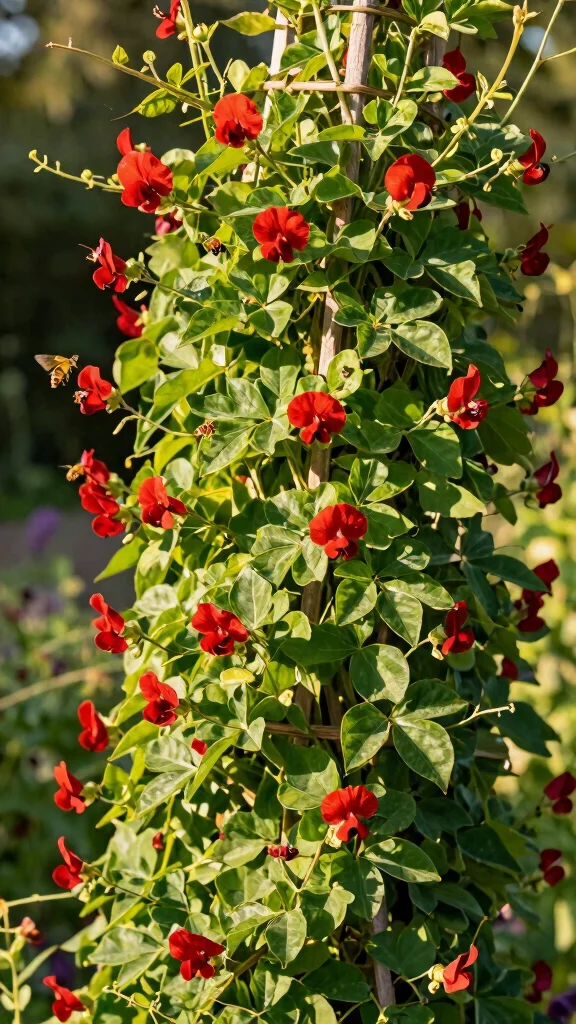
Scarlet runner beans are a fantastic climbing plant that not only beautifies your garden but also offers delicious beans. These vigorous annual climbers can reach heights of up to 10 feet, displaying striking red flowers that attract pollinators.
Thriving in full sun and well-drained soil, scarlet runner beans are perfect for trellises in small spaces. Plus, they produce nutritious beans that can be harvested in late summer for tasty meals.
Tips for Growing Scarlet Runner Beans:
– Plant seeds after the last frost in rich soil.
– Water regularly, especially during dry spells.
– Harvest beans when they are young and tender for the best taste.
For a combination of vibrant beauty and edibility, consider adding scarlet runner beans to your vertical garden!
14. Vertical Gardening with Grapevines: A Fruity Twist
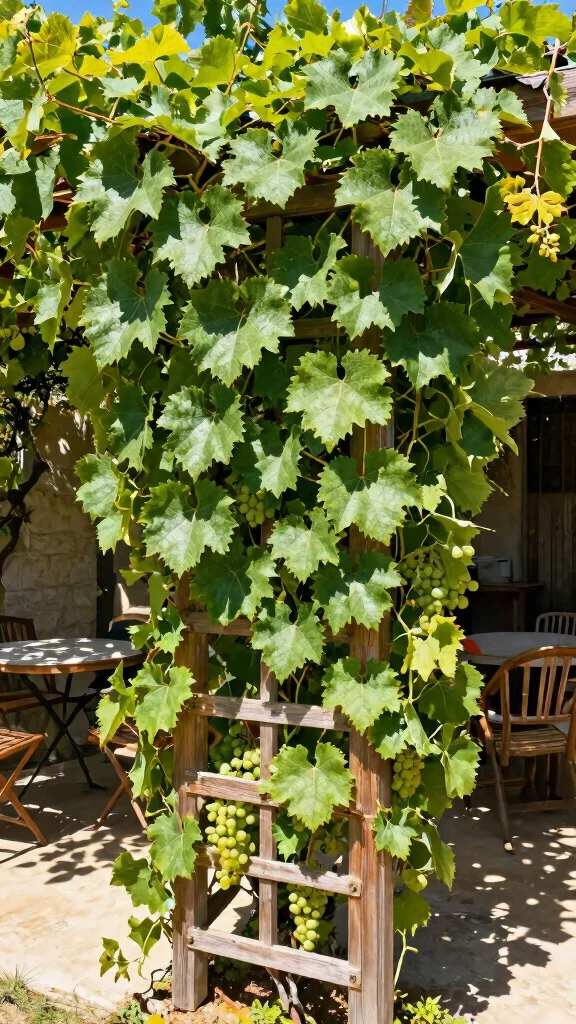
Grapevines are a perfect choice for those wanting to add both beauty and functionality to their vertical gardens. These climbing plants can reach up to 30 feet, providing shade while yielding delicious fruit.
Thriving in sunny locations and well-drained soil, grapevines are ideal for trellises in small spaces. Regular pruning is necessary to encourage healthy growth and fruit production, while their lush green leaves provide a beautiful backdrop throughout the summer.
Tips for Growing Grapevines:
– Choose a strong support structure to bear their weight.
– Water consistently, especially during fruiting season.
– Train the vines to grow along the trellis for easy maintenance.
For a unique, fruitful addition to your garden, consider incorporating grapevines into your vertical space.
Fun fact: Grapevines—one of the best trellis plants—can reach up to 30 feet on a trellis and still yield fruit in a sunny, well-drained nook. Regular pruning keeps growth in check and turns tiny spaces into productive, leafy shade with delicious rewards.
15. Vertical Gardening with a Mix of Climbers: Eclectic Charm
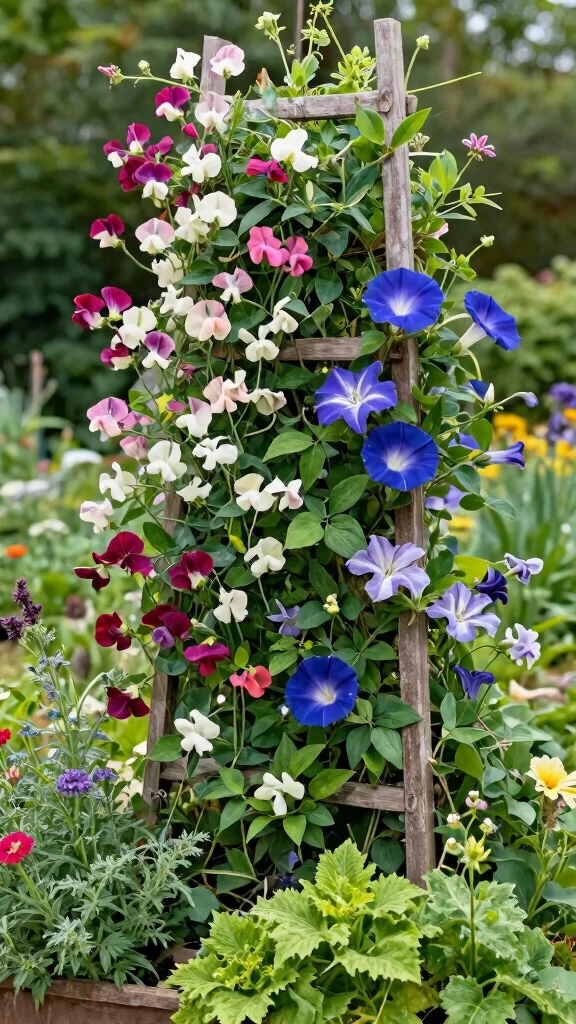
If you love variety, mixing different climbers on your trellis can create an eclectic garden display. Combining flowering and foliage plants provides a rich tapestry of colors and textures that captivates the eye.
Incorporating plants like sweet peas, clematis, and morning glory allows for a stunning visual impact as they bloom at different times, creating an ever-changing garden scene.
Tips for Designing a Mixed Climbing Garden:
– Choose climbers with varying bloom times for continuous color throughout the season.
– Plan your layout to ensure larger plants don’t overshadow smaller ones.
– Regularly prune and maintain each plant for a balanced and harmonious look.
Creating a mixed climber garden enhances visual interest and celebrates the diversity of nature in your small space.
Fun fact: A trellis planted with three climbers—sweet peas, clematis, and morning glory—can deliver continuous color from spring to fall, often for 6–8 months. Mix bloom times and textures for a vibrant, ever-changing vertical garden with trellis plants.
Conclusion: Elevate Your Vertical Gardening Game!
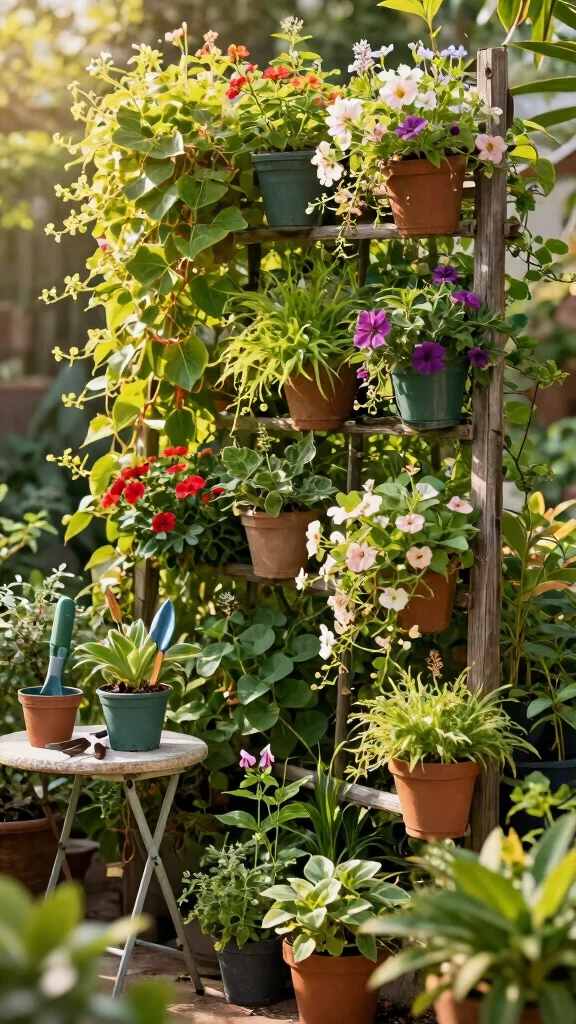
Trellis plants offer endless possibilities for transforming small spaces into lush gardens full of color and character.
With these 15 climbing plants, you can create a vibrant and dynamic vertical garden that provides beauty, fragrance, and even edibles!
Experiment with different climbers to find the perfect mix for your unique style. Happy gardening!
Note: We aim to provide accurate product links, but some may occasionally expire or become unavailable. If this happens, please search directly on Amazon for the product or a suitable alternative.
This post contains Amazon affiliate links, meaning we may earn a small commission if you purchase through our links, at no extra cost to you.
Frequently Asked Questions
What are the best trellis plants for small spaces and balconies?
For compact spaces, choose trellis plants that climb upward, stay tidy, and fill vertical space quickly. In containers, try ornamental climbing vines like star jasmine (Trachelospermum jasminoides), climbing roses, honeysuckle, or clematis, plus edible options like pole beans or cucumbers if you have a sturdy support. Pick varieties suited to your sun and climate. To set up: mount a sturdy trellis on a wall or railing, use a pot with good drainage, and plant with the shoots facing the support. Training: loosely tie new shoots with soft ties and guide them up the trellis. Maintenance: water regularly, feed during the growing season, and prune after flowering to keep size in check.
How do I choose climbing plants for a trellis in a small shaded yard?
Start by mapping how much light the spot actually gets. For shade-friendly trellis plants, look for evergreen or semi-evergreen climbers like creeping fig (Ficus pumila), ivy (Hedera helix), and Virginia creeper if your conditions allow. Climbing hydrangea can work in milder climates but grows slowly, so manage expectations. Pick a compact trellis and plan to prune to keep growth directed upward. Training tips: begin with one or two strong shoots, guide them along the trellis with soft ties, and rotate pots if you’re using containers to optimize light. Maintenance: watch for pests, water at the base, and avoid letting vines overwhelm the structure.
Can I grow edible climbing plants on a trellis, and which are easy for beginners?
Yes—edible climbers are perfect for vertical gardening and small spaces. Start with pole beans or peas for quick, forgiving training; cucumbers can also work on a sturdy trellis, and small grape varieties suit warm climates. For beginners, focus on one or two crops per trellis to avoid crowding. Setup and care: choose a sturdy trellis, plant at the base, train the main stem with soft ties, and harvest regularly to encourage more production. Provide ongoing care: sun, rich but well-drained soil, even moisture, and periodic feeding.
What are the key steps to installing a garden trellis and training climbers on it for vertical gardening?
First, plan your layout and choose materials that fit your space and climate. Then mount or sink your trellis securely—into a wall, fence, or freestanding posts—with proper anchors. Make sure the trellis has room for growth and is level. Plant at the base, then train shoots up with soft ties, tucking new growth along the structure as it appears. Prune after flowering and check ties and anchors regularly to keep things safe and tidy.
How can I maintain and seasonally care for trellis plants to keep them looking great?
Create a simple seasonal routine. In spring, prune dead wood and crossing stems, and apply a balanced fertilizer. In summer, water deeply, mulch at the base, and loosely tie new growth as needed. In autumn, remove spent blooms and prepare perennials for winter if you’re growing warm-season climbers. In winter, protect tender varieties or bring potted climbers indoors if needed, and inspect anchors, wires, and ties for wear. Regular pest checks and training new shoots will ensure your trellis plants stay healthy and neat year-round.
Related Topics
trellis plants
climbing plants
vertical gardening
small space gardening
ornamental vines
garden trellis ideas
easy climbing plants
best plants for trellises
beginner friendly gardening
space-saving gardening
DIY trellis design
seasonal climbing plants