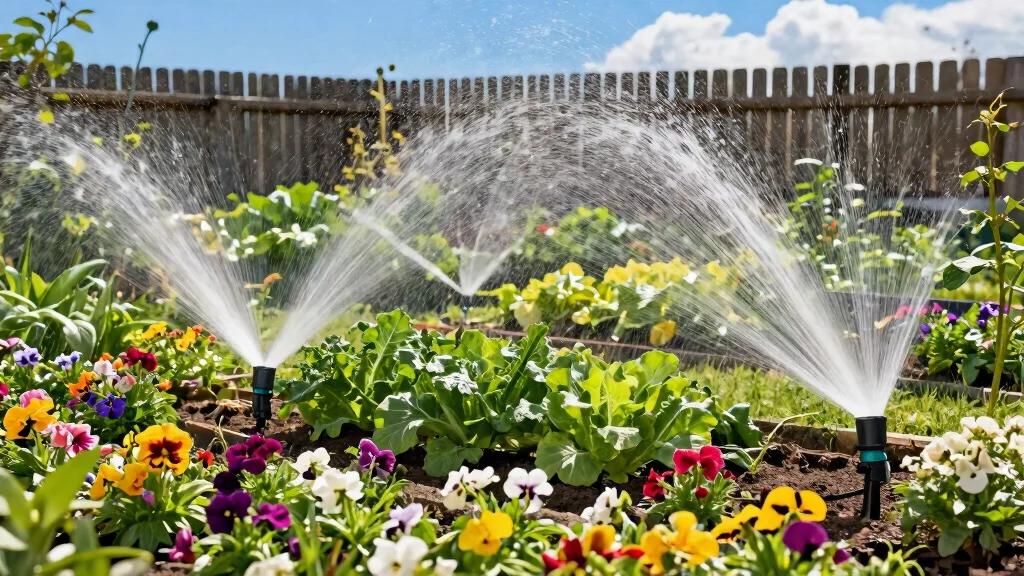
As the days grow longer and the weather warms up, many of us find ourselves dreaming of lush gardens and flourishing plants. It’s that time of year when I start craving a vibrant, green escape right in my backyard. If you’re someone who loves nurturing plants or just wants to enjoy a beautiful outdoor space, this post is for you.
I’ve gathered a list of 11 garden sprinkler ideas that are not only effective but also plant-friendly and eco-conscious. These ideas focus on sustainable gardening techniques that will help you save water, reduce waste, and keep your garden thriving. Whether you’re a seasoned gardener or just getting started, these solutions can make your plant watering systems smarter and more efficient.
By diving into these eco-friendly sprinklers and garden irrigation solutions, you’ll learn about various automatic sprinkler setups that cater to your plants’ needs while being gentle on the environment. So grab your gardening gloves and let’s explore how you can enhance your garden’s health with these sustainable watering systems!
Key Takeaways
– Discover 11 innovative garden sprinkler ideas that promote sustainability and effective plant care.
– Learn about drip irrigation systems, which save water while ensuring your plants receive the moisture they need.
– Explore rainwater harvesting sprinklers that utilize natural resources, helping you conserve water and reduce your bill.
– Get insights into smart sprinkler systems and automatic timers that make watering your garden simpler and more efficient.
– Find practical eco-friendly solutions such as greywater recycling systems and soil moisture sensors to optimize your garden’s health.
1. Drip Irrigation: The Water-Saving Champion
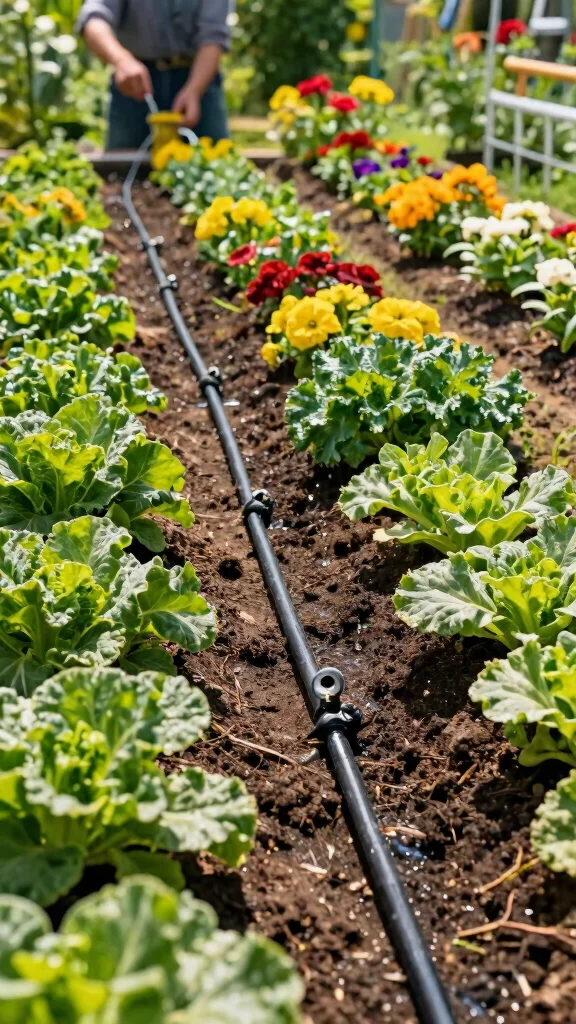
Are you tired of wasting water and seeing your plants suffer? Drip irrigation is here to change that! This method delivers water right to the roots, minimizing evaporation and runoff. With a network of flexible tubing and emitters, you can easily customize it to fit any garden layout.
To get started, plan your garden layout and assess water needs for each plant. You can choose different emitters based on soil type and plant requirements. Regular maintenance is key—check for clogs to keep everything flowing smoothly.
Key benefits of drip irrigation:
– Save up to 50% on water bills
– Target watering to reduce weed growth
– Keep foliage dry to prevent diseases
Drip irrigation is a game-changer for conserving water while ensuring your plants thrive!
2. Rainwater Harvesting Sprinklers
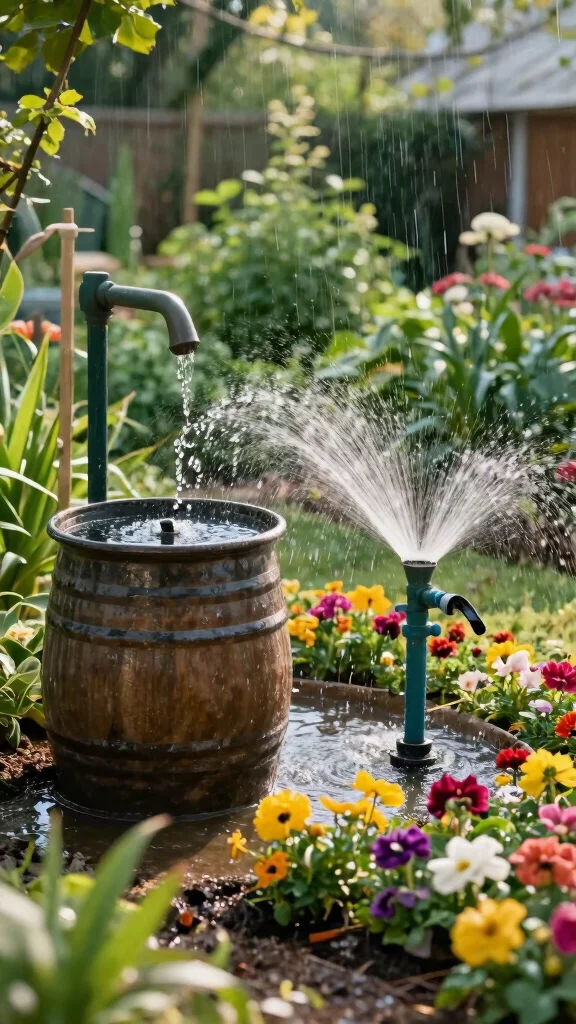
Why let precious rainwater go to waste? With rainwater harvesting systems, you can capture and store rain for your garden’s needs. This eco-friendly solution not only saves you money but helps you water your plants sustainably without relying on municipal supplies.
Start by choosing a convenient spot for your rain barrel. Connect it to a hose or adjustable sprinkler for effortless distribution. Remember to clean the barrel regularly to keep it mosquito-free.
Benefits of rainwater harvesting:
– Decrease reliance on treated water
– Lower your water bills
– Reduce stormwater runoff in your area
Using rainwater can make your gardening practices more sustainable while keeping your plants happy!
3. Soaker Hoses: Gentle and Effective
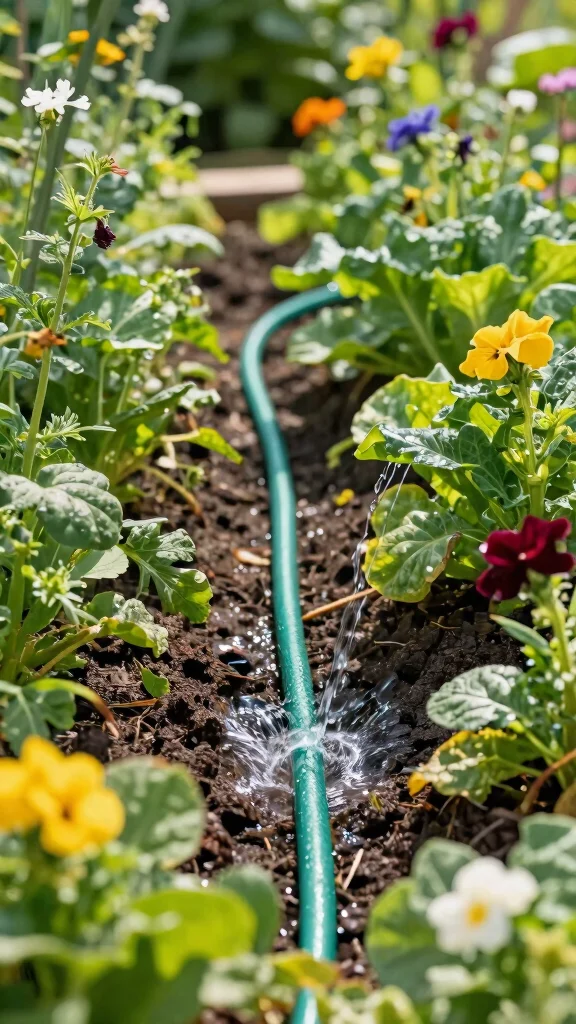
If you’re looking for an easy watering solution, soaker hoses are perfect for you. These porous hoses release water slowly, soaking into the soil rather than saturating the plants. Ideal for flower beds and vegetable patches, they ensure your plants receive just the right amount of moisture.
Position the hose alongside your plants to maximize absorption. Consider using a timer for consistent watering schedules. Regularly check for blockages to maintain a steady flow.
Advantages of using soaker hoses:
– Simple setup and management
– Flexible layout for targeted watering
– Promote deep root growth for healthier plants
Soaker hoses make maintaining a lush garden easy, even in dry times!
4. Smart Sprinkler Systems
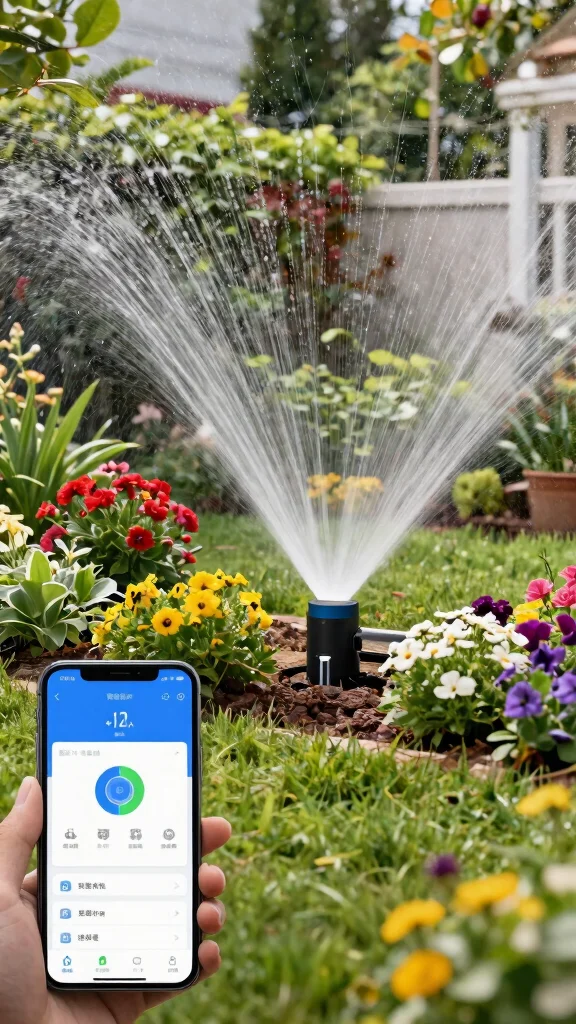
Ready to take your gardening to the next level? Smart sprinkler systems are a fantastic way to ensure your plants get the right amount of water at the right time. You can control them through your smartphone, adjusting schedules based on weather conditions for optimal irrigation.
Ensure you have Wi-Fi coverage in your garden for smooth operation. Set up the system to match different zones in your garden. Keep your app updated for new features and improvements.
Benefits of smart sprinklers:
– Optimize water use by responding to weather
– No need for manual adjustments
– Gain insights to improve your garden’s efficiency
Smart sprinkler systems allow you to enjoy a beautifully hydrated garden with minimal effort!
Fun fact: Smart sprinkler systems can cut water use by up to 30% for practical garden sprinkler ideas. Control schedules from your phone, and tailor watering to weather and zone needs so every plant drinks just what it requires.
Key Trade-offs & Our Top Pick
Option Comparison
Drip Irrigation
– Pros:
– Saves water by delivering it directly to plant roots.
– Reduces weed growth since water doesn’t saturate the entire area.
– Cons:
– Initial setup can be labor-intensive.
– Requires maintenance to prevent clogging.
– Best for: Gardens with a variety of plants that need specific watering.
Rainwater Harvesting Sprinklers
– Pros:
– Eco-friendly, uses collected rainwater which conserves resources.
– Lowers water bills significantly.
– Cons:
– Dependent on rainfall; may need additional water sources during dry spells.
– Installation can be complex.
– Best for: Those living in rainy areas or anyone looking to reduce their water footprint.
Soaker Hoses
– Pros:
– Easy to install and use; simply lay them down on the soil.
– Provides even moisture to the soil.
– Cons:
– Less efficient for large areas compared to other systems.
– Hose may need to be replaced after a few seasons.
– Best for: Small gardens or flower beds where even watering is needed.
Smart Sprinkler Systems
– Pros:
– Can be programmed or controlled via smartphone for convenience.
– Adjusts water usage based on weather conditions.
– Cons:
– Higher upfront cost compared to traditional systems.
– Requires Wi-Fi and can be complex for non-tech-savvy users.
– Best for: Tech enthusiasts or busy gardeners who want automated watering.
Greywater Recycling Systems
– Pros:
– Reuses water from sinks and showers, promoting sustainability.
– Reduces water bills and environmental impact.
– Cons:
– Installation can be complicated and costly.
– Requires knowledge of local regulations regarding greywater use.
– Best for: Eco-conscious gardeners willing to invest time and effort.
Expert Recommendation:
Best Overall: Drip Irrigation
Drip irrigation stands out as the top choice for most gardeners. It strikes a perfect balance between efficiency and versatility. You save water while ensuring your plants receive the necessary moisture right at their roots. This system is also relatively easy to maintain over time, offering good value for your investment.
Why We Picked This:
While drip irrigation is a solid choice, others might prefer different systems based on their unique situations. If you live in a rainy area, rainwater harvesting can be a sustainable solution. For those who want minimal setup, soaker hoses might be ideal. Tech-savvy gardeners may lean towards smart systems for their convenience. Evaluate your garden’s specific needs and your personal lifestyle to find the best fit!
5. Automatic Sprinkler Timer
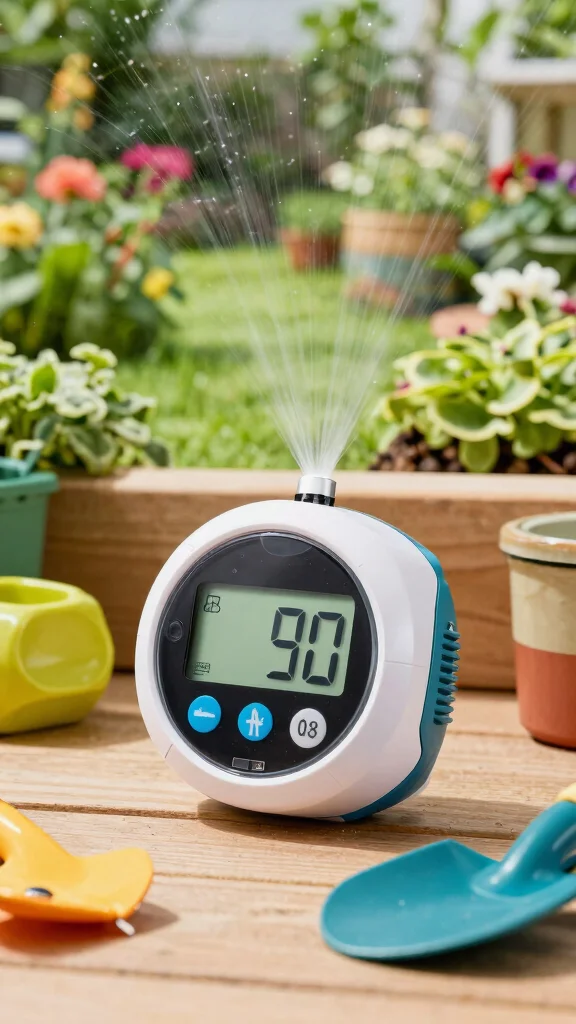
Tired of guessing when to water your plants? An automatic sprinkler timer takes care of that! This handy device connects to your existing sprinkler system, allowing you to schedule watering without lifting a finger. This ensures your plants get consistent hydration and helps save water.
Select a timer that works with your sprinkler system. Follow the installation steps carefully and set your desired watering schedule. Adjust the timings as the seasons change.
Advantages of using an automatic timer:
– Perfect for busy gardeners
– Enables early morning or late evening watering
– Sync with rain sensors to avoid unnecessary watering
With an automatic timer, watering your garden becomes effortless, providing the right hydration at the right time!
6. Micro-Spray Sprinklers
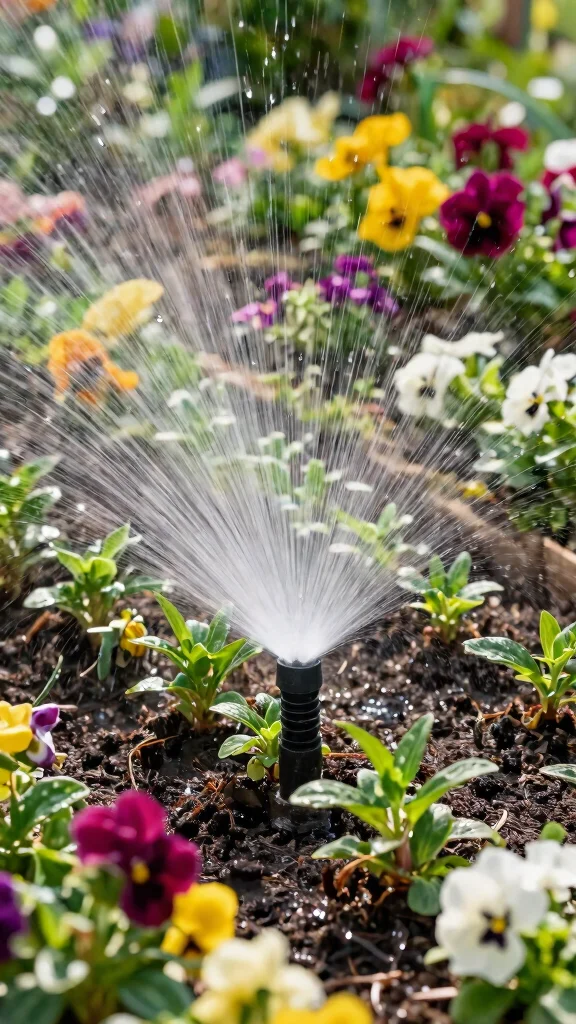
For small gardens or specific plant areas, micro-spray sprinklers are ideal. They deliver water in a fine mist, ensuring delicate seedlings and potted plants receive careful hydration. Their adjustable spray patterns make it easy to cater to the needs of each plant.
Place the sprinklers strategically to maximize coverage without overlap. A pressure regulator can enhance performance. Regularly clean filters and heads to keep them efficient.
Key benefits of micro-spray sprinklers:
– Minimal water waste, eco-friendly
– Great for flower beds and containers
– Customizable spray patterns for various plants
Micro-spray sprinklers help you achieve precise watering while conserving water!
Fun fact: Micro-spray sprinklers use up to 30% less water than traditional setups while covering delicate seedlings with a fine mist, turning eco-friendly garden sprinkler ideas into reality. Adjust patterns and place them smartly for efficient coverage—no overwatering, just thriving plants.
7. Soil Moisture Sensors
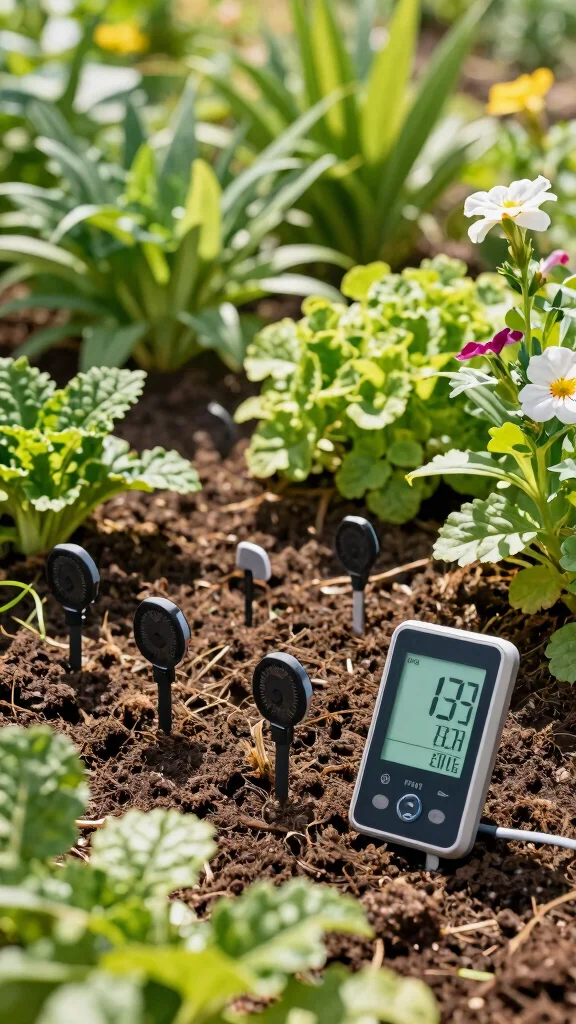
If you’re serious about sustainable gardening, soil moisture sensors are a must-have. These devices measure soil moisture and provide real-time data, helping you water your plants only when necessary. This not only conserves water but also promotes healthier plants.
Position sensors at various spots in your garden to get a comprehensive view of moisture levels. Check readings regularly and adjust your watering schedule as needed. Consider linking sensors to automatic systems for seamless integration.
Benefits of soil moisture sensors:
– Prevent over or under-watering
– Easily integrate with existing systems
– Enhance your gardening decisions based on soil conditions
Soil moisture sensors elevate your gardening game while supporting a healthier ecosystem for your plants!
8. Greywater Recycling Systems
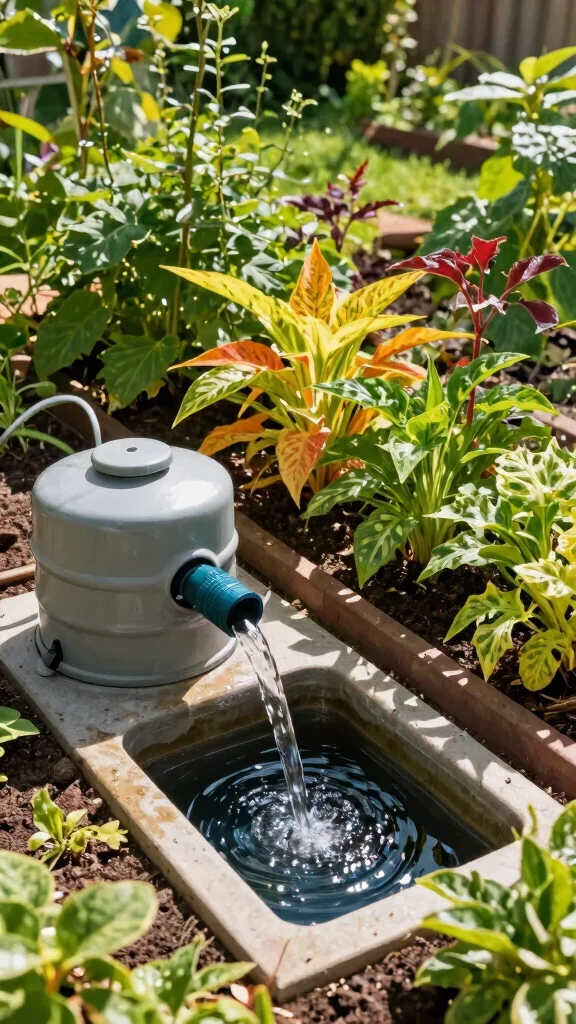
Want to make the most of your household water? Greywater recycling systems allow you to repurpose water from everyday activities for your garden. This eco-friendly practice conserves water and reduces the greywater entering the sewer system.
Choose a reliable greywater system that fits your gardening needs. Set up a collection point to direct water into a storage tank, and use a filtration system to remove any debris. Regular maintenance is key to ensuring it works efficiently.
Advantages of greywater systems:
– Significantly reduce water usage
– Cost-effective gardening solution
– Promote sustainability by reusing resources
Greywater systems offer an innovative way to nourish your plants while being kinder to the environment!
9. Wind-Powered Sprinklers
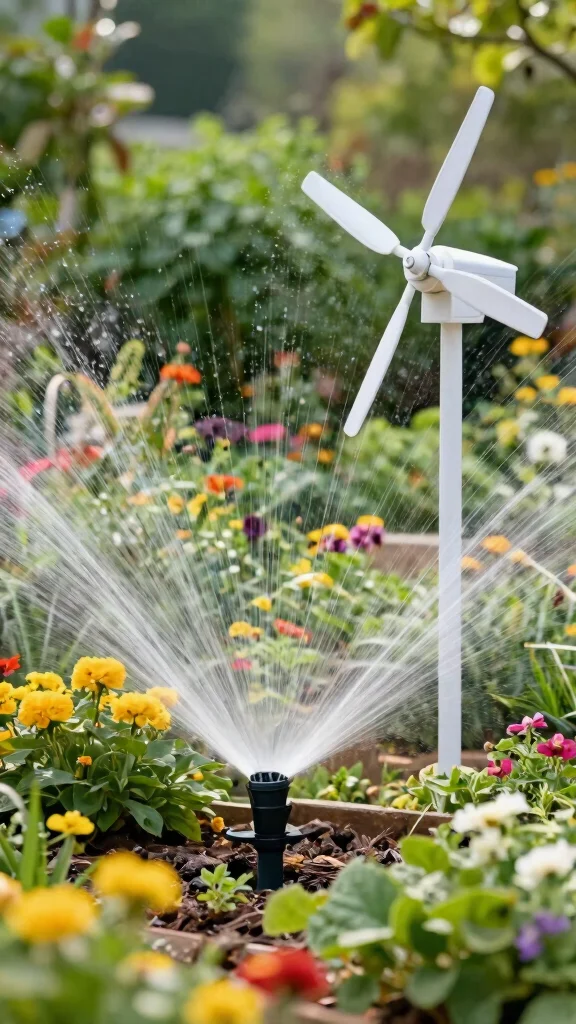
Looking for a unique watering solution? Wind-powered sprinklers harness natural wind energy to operate. This sustainable option is perfect for eco-conscious gardeners and can be a bit more complex to set up, but the benefits are worth it.
Select a wind turbine suited for your garden size and local wind conditions. Connect it to a water pump to ensure effective distribution. Regular maintenance will keep the system running smoothly.
Advantages of wind-powered sprinklers:
– Completely renewable and eco-friendly
– Low operational costs after setup
– Great for larger gardens with wind availability
Wind-powered sprinklers let you tap into natural resources while keeping your plants hydrated!
Wind-powered sprinklers are one of the garden sprinkler ideas: they can cut water use by up to 40% in breezy gardens. Pair a small turbine with a pump, and you’ll water efficiently using natural energy—plus fewer hoses to manage.
10. Permeable Pavement Irrigation
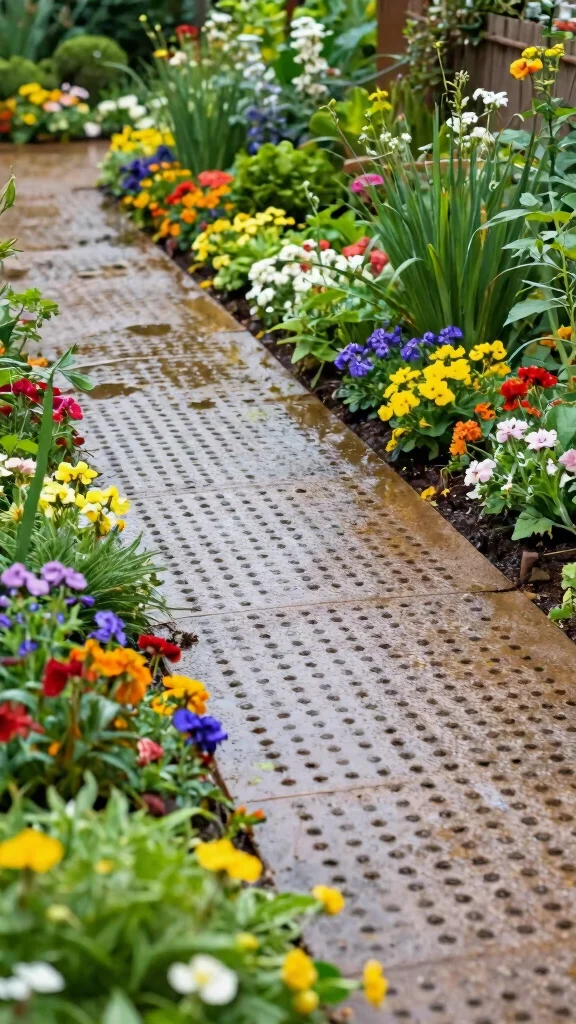
For those who want beauty and function, permeable pavement irrigation is a stylish choice. This system allows rainwater to seep through pavement, nourishing nearby garden beds. It’s perfect for driveways or paths adjacent to plants and helps reduce runoff.
Select permeable materials that match your garden’s aesthetic. Ensure proper grading for effective water flow and regularly clean to prevent clogging.
Key benefits of permeable pavement:
– Decrease stormwater runoff
– Enhance garden and yard aesthetics
– Naturally replenish groundwater supplies
Permeable pavement irrigation combines functionality with sustainable practices, creating beautiful pathways that nourish your plants!
11. Vertical Garden Irrigation
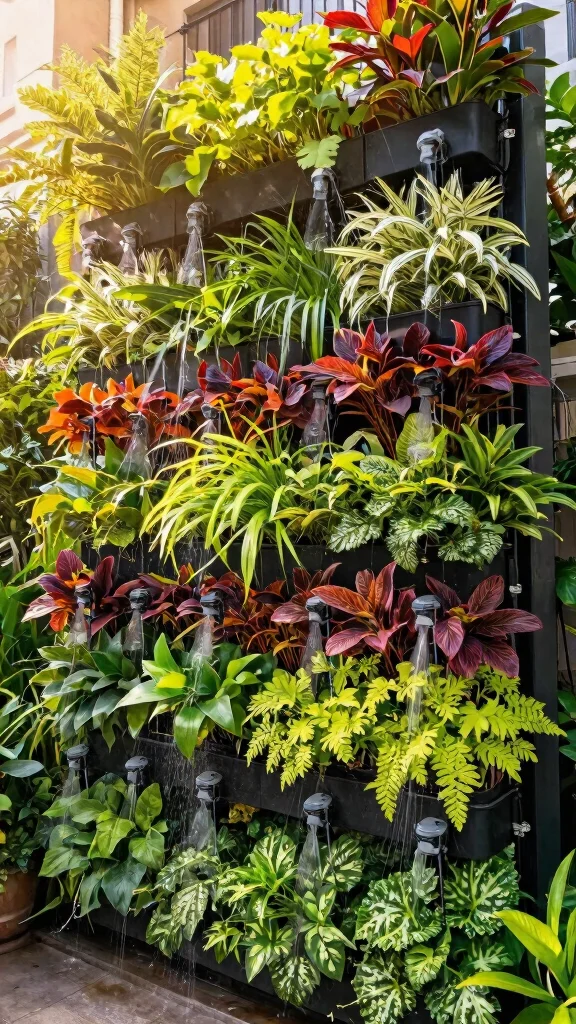
Living in a small space? Vertical gardens are a fantastic solution! With an efficient irrigation system, you can maximize your space while ensuring every plant gets the water it needs. You can use drip or micro-spray methods for versatility.
Design your vertical garden with different plant types in mind. Choose an irrigation method that guarantees even water distribution. Monitor your plants regularly to keep them thriving.
Advantages of vertical garden irrigation:
– Maximize limited space with greenery
– Utilize various watering techniques
– Add aesthetic value to small areas
Vertical garden irrigation supports creativity in small spaces while ensuring effective water usage for a lush, vibrant garden!
Conclusion
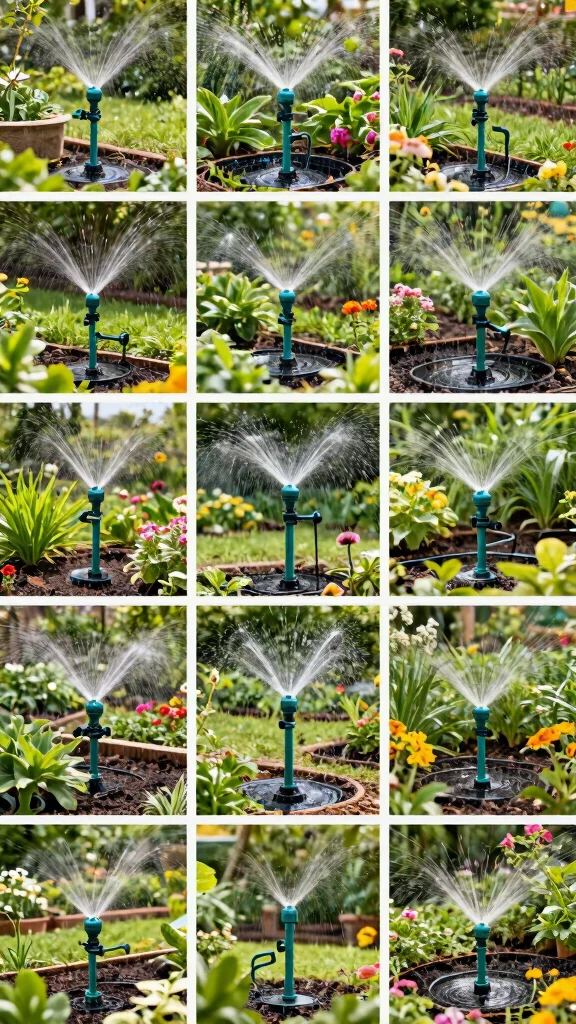
Implementing these garden sprinkler ideas can not only keep your plants flourishing but also promote a sustainable lifestyle that respects our planet’s resources. From drip irrigation to greywater recycling, each method offers unique benefits that make your watering routine efficient and eco-friendly.
Consider incorporating these strategies into your gardening practices to create a thriving garden while also contributing to a greener future. Every drop saved is a step towards sustainability, and your garden will thank you for it!
Note: We aim to provide accurate product links, but some may occasionally expire or become unavailable. If this happens, please search directly on Amazon for the product or a suitable alternative.
This post contains Amazon affiliate links, meaning we may earn a small commission if you purchase through our links, at no extra cost to you.
Frequently Asked Questions
What are the best garden sprinkler ideas for eco-friendly irrigation and sustainable gardening?
Eco-friendly garden sprinkler ideas start with mapping zones and choosing water-efficient equipment. Start with garden irrigation solutions that split the yard into zones so you water only what’s needed. Use low-volume options like drip lines, micro-sprays, or soaker hoses around plant beds, with eco-friendly sprinklers that minimize evaporation. Pair with a smart timer or automatic sprinkler setups and a rain barrel to collect runoff for refill. Add soil moisture sensors to prevent overwatering. Mulch and ground cover reduce evaporation, so water reaches roots. In small spaces, micro-sprayers and adjustable spray heads are versatile. By combining these ideas you get practical garden sprinkler ideas that save water and keep your garden lush.
How can I design plant watering systems that save water and support eco-friendly gardening techniques?
To design plant watering systems that save water, start by zoning and choosing the right delivery method. For bed areas, install drip irrigation or soaker hoses under mulch; for lawns or larger areas, use efficient rotor sprinklers with narrow spray patterns. Integrate a weather-based controller and a rain barrel to supply extra irrigation during wet periods. Monitor soil moisture with a sensor and adjust schedules to avoid overwatering. This approach embodies sustainable gardening techniques and fits into garden irrigation solutions that keep plants healthy without waste.
What are eco-friendly sprinklers and how can they fit into garden irrigation solutions for a healthy garden?
Eco-friendly sprinklers are low-waste options like drip emitters, micro-sprayers, and efficient rotor heads that deliver water where it’s needed. They pair well with garden irrigation solutions that include moisture sensing and rainwater harvesting. Steps: 1) pick sprinklers with appropriate throw and radius, 2) lay out zones to match plant groups, 3) install a backflow preventer and pressure regulator, 4) test coverage and adjust. Regular maintenance keeps leaks at bay and saves water. By choosing the right eco-friendly sprinklers, you support sustainable gardening techniques while reducing your water bill.
What should I consider when setting up automatic sprinkler setups to minimize waste and keep plants thriving?
Automatic sprinkler setups are powerful when configured thoughtfully. Use smart controllers with rainfall data and soil moisture sensors, enable a rain delay, and create zone-based programs so you water only as needed. Choose sprinkler heads and coverage patterns appropriate for each area to prevent soggy spots or dry corners. Regularly inspect irrigation lines for leaks, calibrate run times, and winterize if you have cold seasons. With these steps, your automatic sprinkler setups become efficient, eco-friendly tools in your yard.
How do I choose the right sprinkler idea based on plant needs and weather conditions for sustainable gardening?
When choosing a sprinkler idea, start with your plants’ needs and local weather. Group plants by water requirement and select a combination of drip irrigation for perennials and mulch beds, plus rotors or micro-sprayers for larger zones. Consider soil type — sandy soils drain faster; heavier soils hold moisture longer, so adjust run times. Use weather data and a moisture sensor to adjust schedules seasonally. Test coverage with catch tests and adjust heads to avoid overwatering. This approach reflects sustainable gardening techniques and helps you pick the right garden sprinkler ideas for your climate.
Related Topics
garden sprinkler ideas
eco-friendly sprinklers
plant watering systems
sustainable gardening
automatic sprinkler setups
irrigation solutions
water conservation
beginner gardening
outdoor gardening
drought-resistant plants
seasonal watering
easy gardening techniques