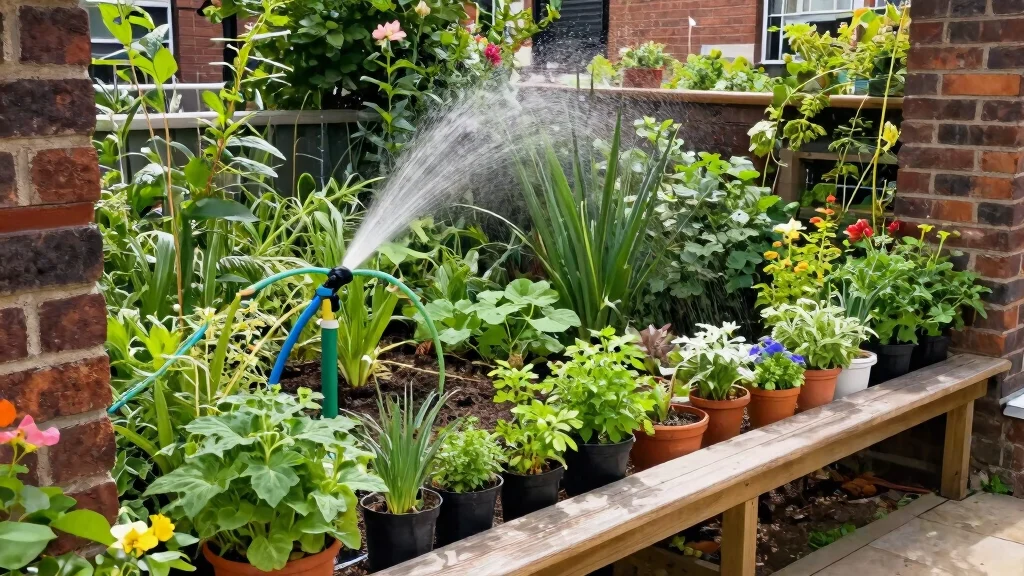
Every time I step into my garden, I feel a wave of tranquility wash over me. There’s something about nurturing plants and watching them grow that sparks joy. But let’s be real, keeping a garden vibrant can be a challenge, especially when it comes to watering. That’s why I created this post on 11 Sprinkler System DIY Ideas for Your Urban Garden. With more people turning to home gardening for recreation and sustainability, I want to share practical solutions that make watering easier and more efficient.
If you’re an urban gardener looking to simplify your watering routine, this guide is for you. You might be juggling a busy life, but still dream of a thriving garden. You want a system that works for you, not against you. Inside, I’ve gathered a collection of DIY ideas that are clever, cost-effective, and easy to implement. Whether you’re new to home gardening or have been at it for years, you’ll find something here to help your plants flourish.
In this post, you’ll discover innovative ways to set up a sprinkler system that suits your space and needs. From simple drip irrigation techniques to advanced smart systems, I’ve got you covered. With these tips, your garden will not only look amazing but also thrive all season long.
Key Takeaways
– Explore Various DIY Options: Understand different types of sprinkler systems you can create yourself, from drip irrigation to smart systems, tailored for your urban space.
– Watering Techniques: Learn the best watering methods, including the use of soaker hoses and gravity-fed irrigation for efficient and effective plant care.
– Time-Saving Solutions: Discover timer-controlled systems and automatic installations that save you time, so you can enjoy your garden without the hassle.
– Sustainable Practices: Find out how to incorporate rainwater harvesting and recycled materials in your watering systems, making your garden eco-friendly.
– Practical Gardening Tips: Gain insights on container garden watering and multi-zone systems that help you manage diverse plant needs in your urban garden.
1. Simple Drip Irrigation System
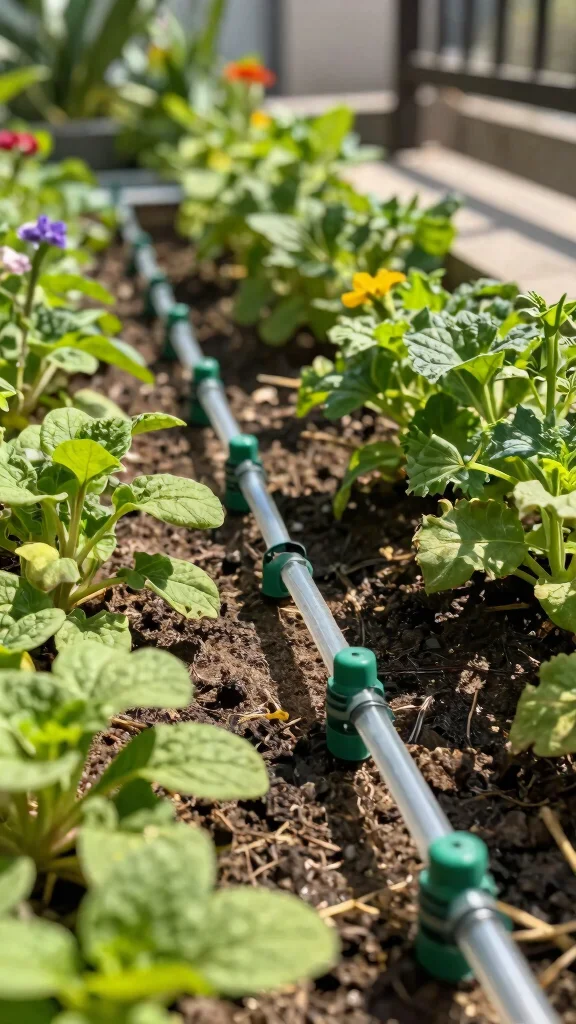
If you want to keep your garden hydrated without wasting water, a simple drip irrigation system is your best bet. This method delivers water directly to the roots of your plants, ensuring they receive just the right amount. You can easily gather supplies like plastic tubing, emitters, and connectors from any gardening store, making it a straightforward project to tackle.
To set this up effectively, map out your garden and determine where each plant needs water. Use emitters to target each plant’s root zone, and connect the system to a water source. Adjust as necessary for optimal performance.
Key steps to get started:
– Lay out tubing along plant rows
– Insert emitters at each plant base
– Connect to your water source
– Test for clogs and ensure proper flow
This system not only conserves water but also promotes healthy plant growth, making your gardening experience more enjoyable.
Fun fact: A drip irrigation system can cut water use by up to 50% compared to overhead sprinkling. Plan your layout, place emitters at root zones, and your sprinkler system diy will hydrate efficiently without waste.
How To Choose The Right Sprinkler System for Your Urban Garden
Choosing the right sprinkler system for your urban garden can seem overwhelming with so many options available. However, focusing on a few key criteria can simplify your decision-making process. Let’s break down what you need to consider.
1. System Type
There are various types of sprinkler systems, like drip irrigation, soaker hoses, or traditional sprinklers. Drip irrigation is excellent for targeted watering with minimal waste. Soaker hoses seep water along their length, while traditional sprinklers cover larger areas. Consider the layout of your garden and choose a system that best fits its needs.
2. Garden Size
The size of your garden plays a crucial role in your sprinkler selection. For smaller urban gardens, a drip irrigation system is often sufficient. Measure your garden area to determine the coverage of your chosen system. For bigger gardens, look for multi-zone systems that can cover different sections at once.
3. Water Source
Identify your water source before purchasing a sprinkler system. Are you using city water or a rainwater harvesting system? If you opt for a rainwater collection system, make sure your chosen irrigation method can efficiently utilize that water. Some systems may require pressure adjustments based on your water source.
4. Automation Features
Consider whether you want a manual or automated system. Automated sprinkler systems come with timers and smart technology that can control watering schedules. This is helpful for busy urban gardeners who might forget to water their plants regularly. Look for systems compatible with smart home setups for added convenience.
5. Budget
Sprinkler system prices vary widely, so it’s essential to determine your budget beforehand. Drip irrigation systems are often more affordable and lower maintenance compared to in-ground sprinkler systems. Factor in installation costs if you’re hiring someone, or consider the DIY approach to save money.
6. Local Climate
Finally, think about your local climate. If you live in a dry area, a drip irrigation system may be more effective as it minimizes water loss through evaporation. In contrast, regions with regular rain might benefit from a simpler system with fewer components. Research local gardening trends to see what works best in your area.
Pro Tip: Always consult with local gardening experts or extension services to get tailored recommendations for your specific conditions and location. Their insights can make a significant difference in the success of your urban garden watering strategy.
2. Timer-Controlled Automatic Sprinklers
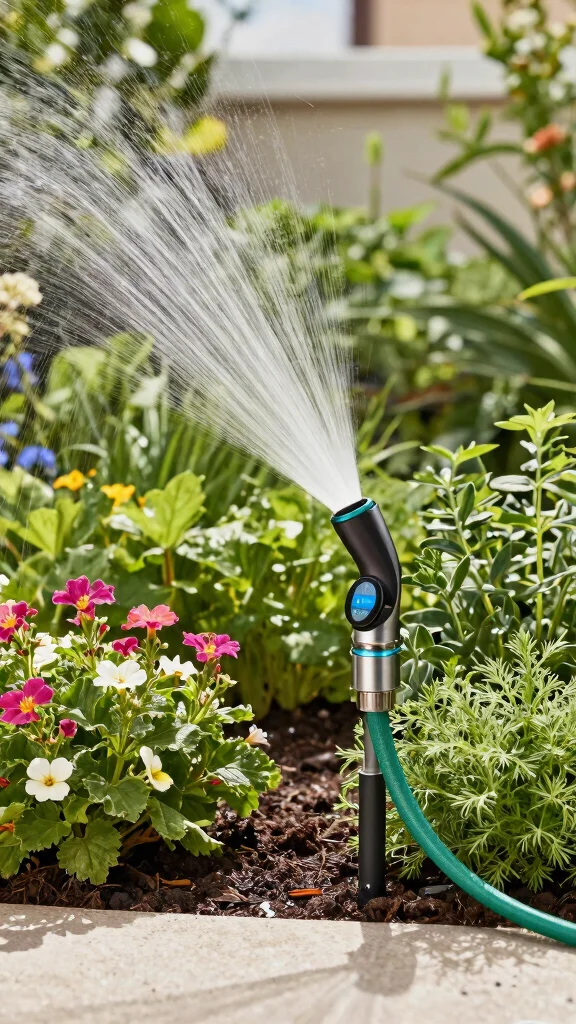
Forget the hassle of daily watering with a timer-controlled automatic sprinkler system. Perfect for busy schedules, these systems allow you to set watering times, ensuring your plants stay hydrated even when you’re away. This convenience not only saves time but also helps maintain a consistent watering routine.
To install, grab a programmable timer and a simple sprinkler head kit. Hook them up to your water source, connect the sprinkler heads, and set your schedule. Regularly check on your plants to adjust the timing as needed.
Key installation steps:
– Purchase a programmable timer
– Hook it to your water source
– Connect the sprinkler heads
– Set and adjust your watering schedule
This setup guarantees your garden flourishes effortlessly, taking the stress out of plant care.
3. Rainwater Harvesting System
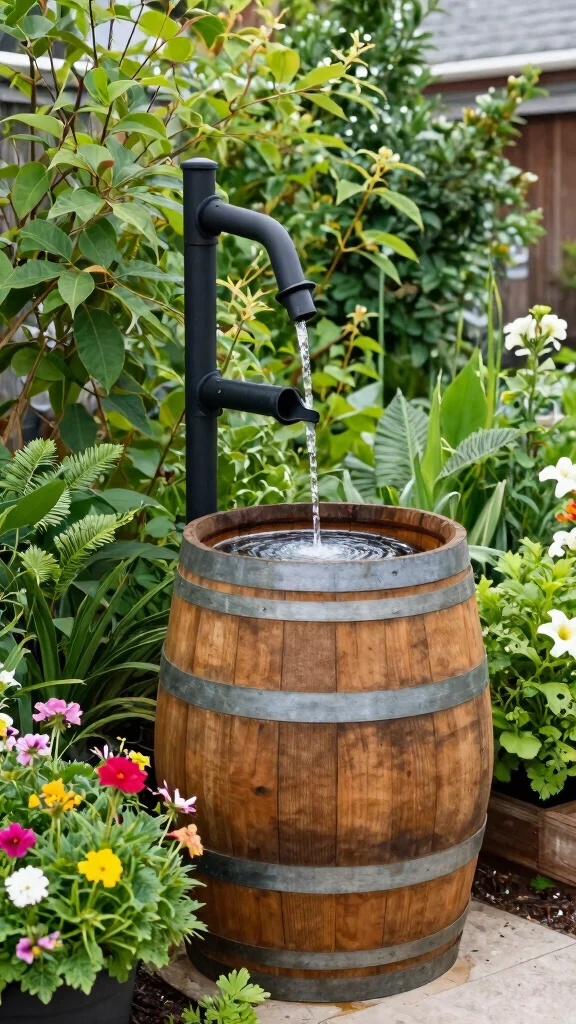
Capture nature’s bounty by creating a rainwater harvesting system for your garden. This eco-friendly solution not only conserves water but also reduces your utility bills. By using barrels or tanks placed under downspouts, you can easily collect and store rainwater for later use.
To set up, choose a barrel or tank that fits your space and connect it to a diverter on your downspout. Make sure to have a simple spigot or hose ready for easy distribution. Regular maintenance, like filtering out debris, will keep the system efficient.
Steps to implement:
– Select a suitable barrel or tank
– Connect a diverter to your downspout
– Use a spigot for easy access
– Ensure proper filtration to keep water clean
This method not only supports your plants with natural hydration but also encourages sustainable practices in your gardening routine.
4. Soaker Hoses for Efficient Watering
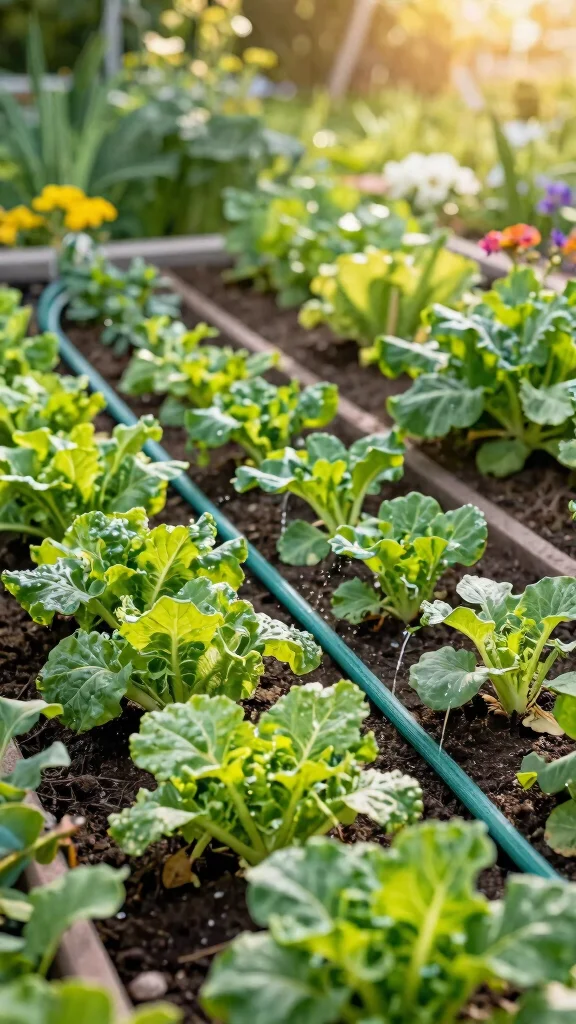
Soaker hoses are a fantastic tool for watering your garden efficiently, especially in raised beds. These hoses allow water to seep through their porous material, delivering moisture directly to the roots and minimizing evaporation loss. Setting them up is quick and straightforward.
To use soaker hoses, arrange them in your garden beds according to your plant layout. Connect to a water source and water slowly, allowing the soil to absorb moisture effectively. Adding mulch on top can help retain moisture and improve efficiency.
Key steps to implement:
– Lay hoses according to your planting pattern
– Connect hoses to a water source
– Water slowly for better absorption
– Cover with mulch for moisture retention
This method ensures all your plants receive the right amount of water, promoting vigorous growth.
Fun fact: soaker hoses cut evaporation by delivering water right to the roots, saving up to 50-70% compared to sprinklers. In an urban garden, this sprinkler system diy approach works by laying them along raised beds, connecting to a slow-flow source, and mulching to boost efficiency.
5. Smart Sprinkler Systems
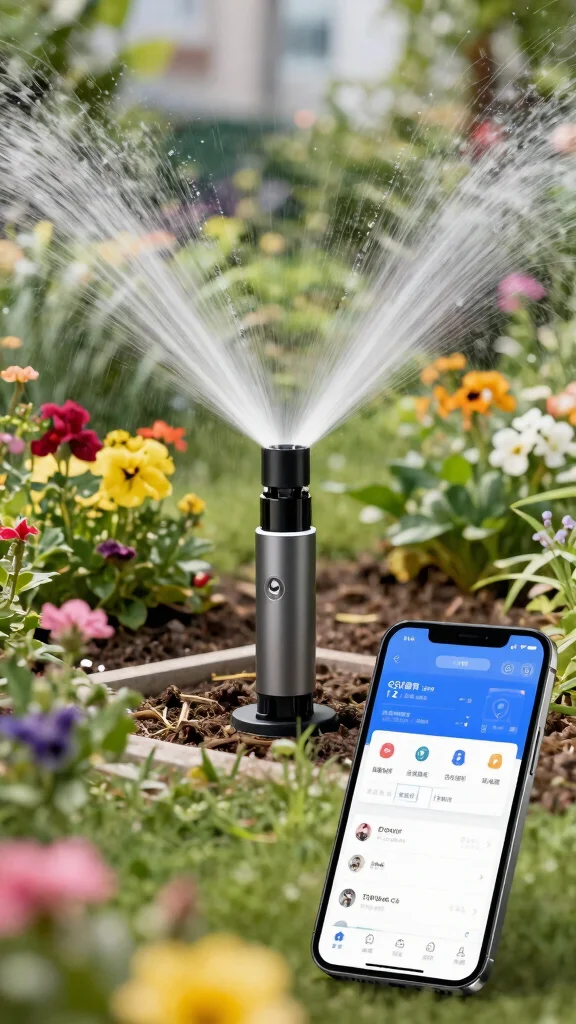
Embrace modern gardening with smart sprinkler systems that connect to your smartphone. These systems let you control watering schedules from anywhere, adjusting automatically based on weather conditions. It’s a perfect solution for busy gardeners looking to simplify maintenance.
To get started, select a compatible smart sprinkler system and follow the manufacturer’s installation guide. Once connected to Wi-Fi, use the app to set your watering schedule and monitor plant needs. Regular updates based on weather will help optimize water usage.
Steps to set up:
– Choose a smart sprinkler compatible with your phone
– Follow installation instructions
– Connect to Wi-Fi and download the app
– Program your watering schedule
This tech-savvy approach not only saves time but also promotes responsible water use, keeping your garden lush and healthy.
6. Container Garden Watering
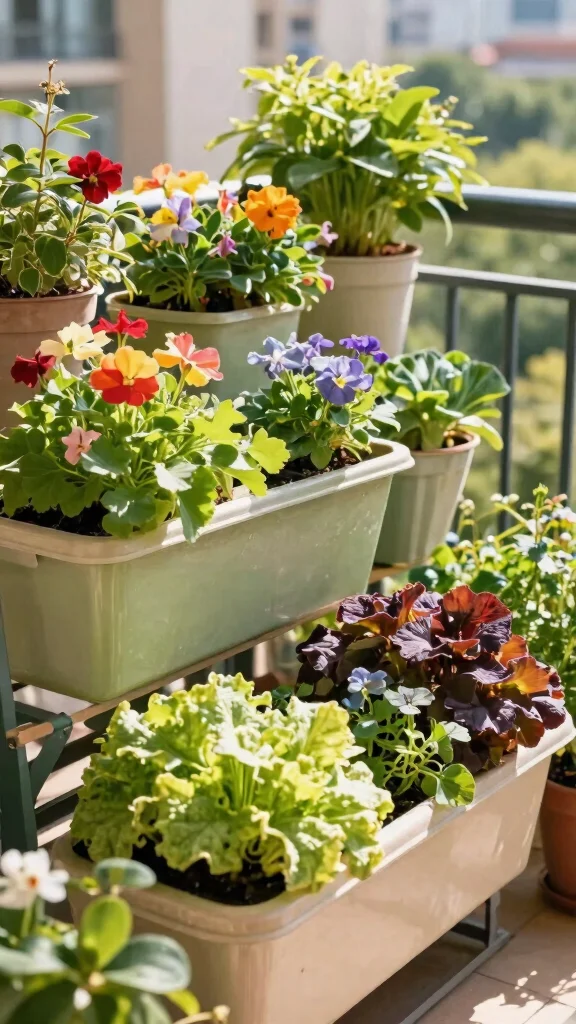
For container gardening enthusiasts, a self-watering system can be a game-changer. These setups typically feature a reservoir that allows plants to draw water as needed, helping to maintain consistent soil moisture without daily effort. This is especially helpful for those with limited space.
To create a self-watering container, select pots with built-in reservoirs or modify regular ones. Fill with potting mix and add plants, then incorporate a wicking system to connect to the reservoir. Fill it up and watch your plants thrive with less frequent watering.
Key steps to create:
– Choose pots with a reservoir or modify existing ones
– Fill with potting mix and plant your greenery
– Add a wicking system for moisture access
– Fill the reservoir and enjoy low-maintenance care
This solution allows you to enjoy gardening without constant upkeep, especially during hot spells.
Fun fact: A self-watering container can reduce daily watering by about 40–60%, thanks to a built-in reservoir. For urban gardens, this simple setup makes sprinkler system diy feel effortless and keeps soil moisture steady without guesswork.
7. In-Ground Sprinkler Systems
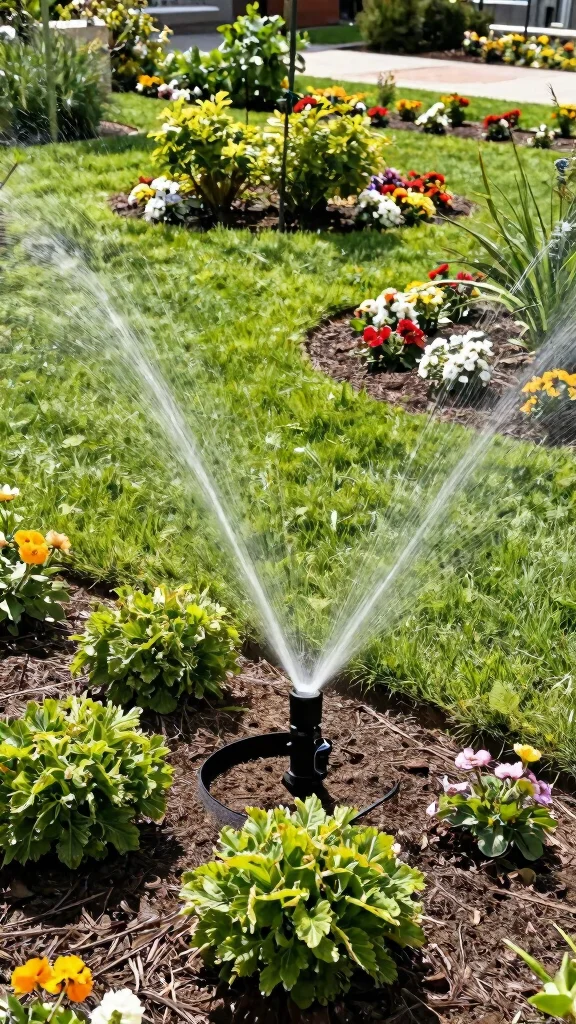
Ready for a more permanent watering solution? An in-ground sprinkler system can transform your gardening experience. Though it requires initial investment and installation work, the ease of automated watering is a worthwhile payoff for garden enthusiasts.
To install, plan your layout according to your garden’s shape and size. Dig out trenches for the pipes, set up the sprinkler heads, and connect everything to your water supply. Fill in the trenches and test the system to ensure even coverage.
Installation steps include:
– Plan layout based on garden design
– Dig trenches for pipes and install heads
– Connect to a water supply and set a timer
– Fill trenches and check coverage
This method enhances your gardening routine, ensuring all areas receive adequate watering for optimal growth.
8. Gravity-Fed Irrigation
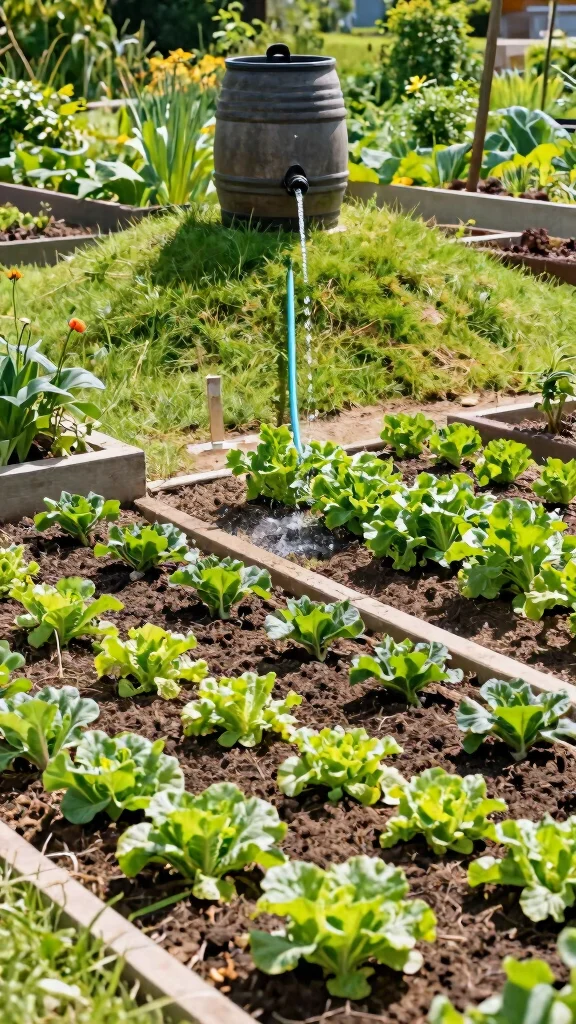
Try a gravity-fed irrigation system for a simple and sustainable watering solution. This method takes advantage of gravity to deliver water efficiently, making it ideal for raised beds or sloped gardens. It’s an easy setup that doesn’t require electricity.
To implement, position your water source, such as a rain barrel, at a higher elevation. Use tubing to guide water flow down to your garden beds, ensuring a proper angle for effective distribution. Valves can help control the flow at the end of the hoses.
Steps to set up:
– Place your water source at a higher point
– Use tubing to direct water flow
– Ensure proper angle for effective reach
– Install valves to manage water output
This eco-friendly approach saves resources while reducing the physical effort needed in gardening.
9. Hydroponic Watering Systems
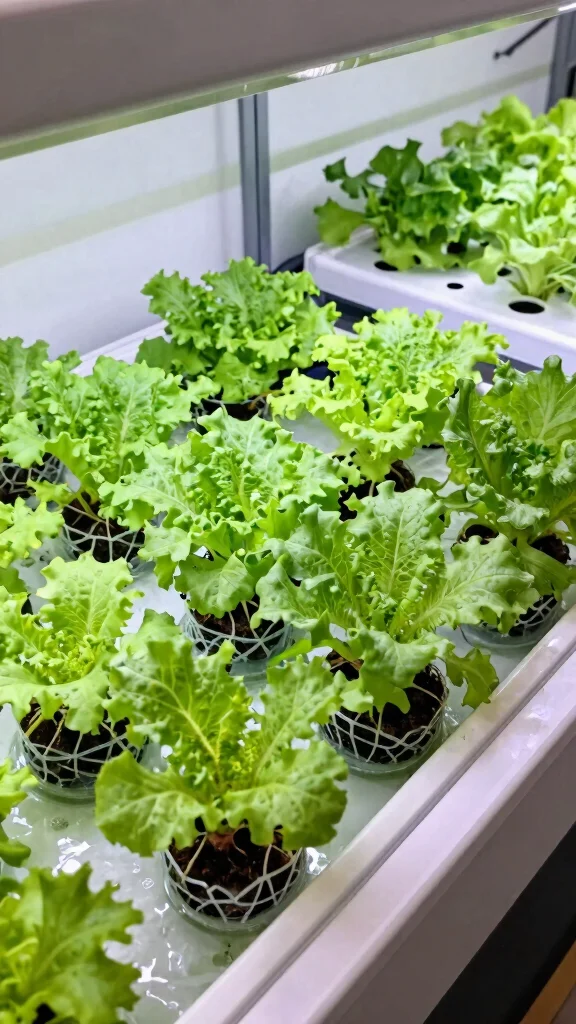
For those curious about soilless gardening, hydroponic watering systems can be an exciting DIY project. This method allows plants to grow efficiently by delivering water and nutrients directly to their roots, making it perfect for smaller spaces.
To create a basic hydroponic setup, select a container or a hydroponic kit. Fill it with a nutrient-rich solution instead of soil, then insert seeds or plant cuttings into a suitable growing medium. Regularly check and adjust pH levels and nutrients for optimal growth.
Steps to create:
– Choose a container or hydroponic kit
– Fill with nutrient-rich solution
– Insert seeds or cuttings into growing medium
– Monitor and adjust pH and nutrients regularly
This method offers a fun way to cultivate fresh produce at home while potentially using less water than traditional gardening.
10. Multi-Zone Watering Systems
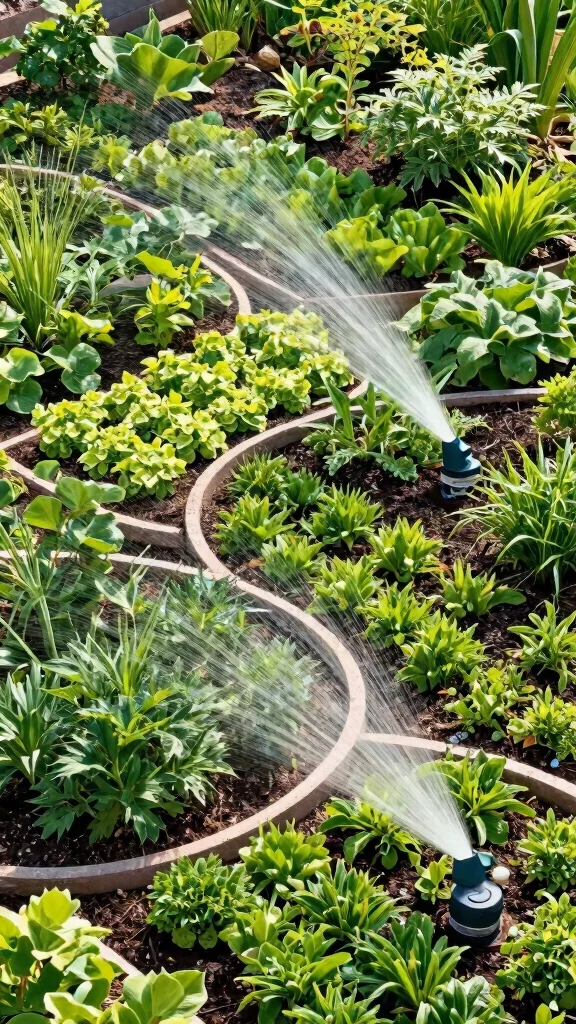
If you have a diverse garden with plants requiring different watering amounts, a multi-zone watering system is ideal. This setup allows you to program various garden areas to receive tailored watering, optimizing water use and enhancing plant health.
To implement, install separate hoses or drip lines for each garden zone. Connect them to a central timer or controller, and set specific watering schedules for each area based on plant needs. Regular monitoring will help you make adjustments as necessary.
Key steps to set up:
– Install hoses or drip lines for each zone
– Connect to a central controller
– Program watering schedules for each plant type
– Monitor plant health to adjust settings
This method empowers you to nurture a thriving garden that meets the unique needs of each plant.
11. Recycled Materials for Watering
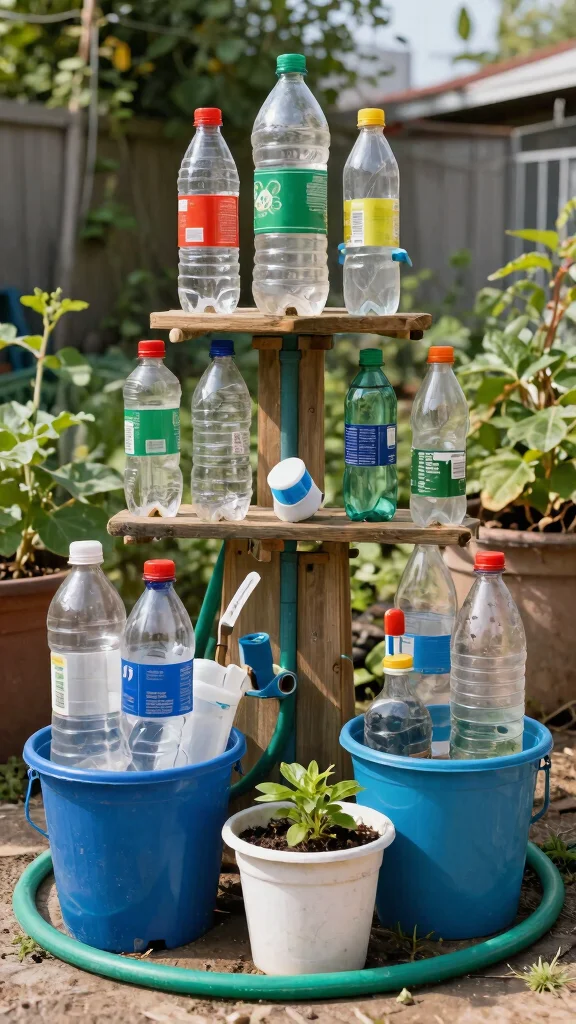
Get creative with your watering solutions by using recycled materials you have at home. From old bottles to buckets, these DIY projects not only save money but also promote sustainability. You can design unique systems tailored to your garden’s needs.
Consider repurposing items like plastic bottles with holes in the caps for slow watering or turning old buckets into gravity-fed drip systems. Old hoses can also be creatively reused in various applications. Experiment with different designs to find what works best for your plants.
Ideas to explore:
– Cut plastic bottles for slow-release watering
– Use buckets to create drip irrigation systems
– Repurpose old hoses for new watering methods
– Try various designs to see what suits your garden
This approach encourages innovation while being environmentally friendly, giving your plants the care they need.
Conclusion
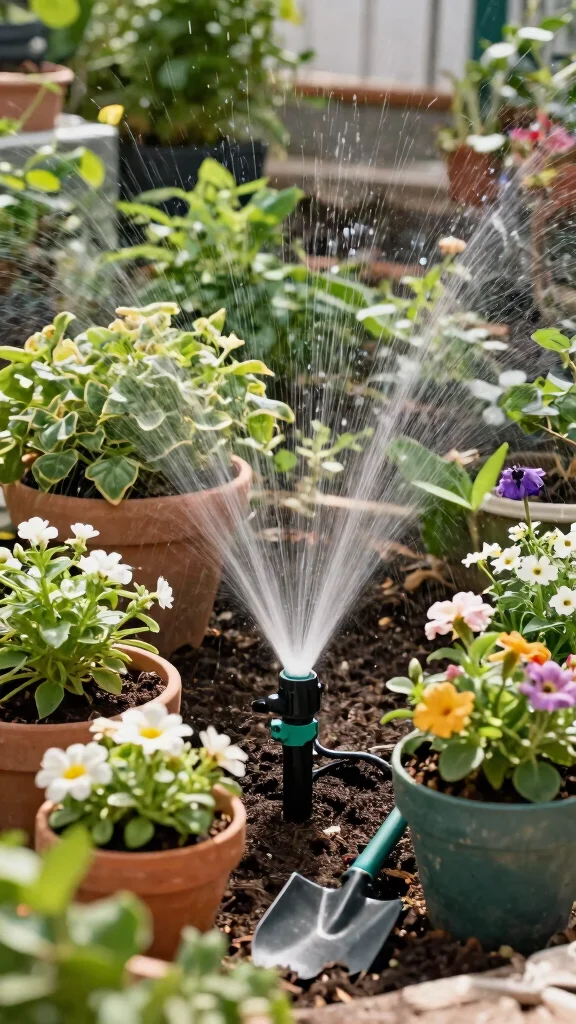
With so many creative DIY sprinkler system ideas at your fingertips, keeping your urban garden healthy and thriving is easier than ever. Tailor your approach based on your space, budget, and gardening style to ensure your plants receive just the right amount of water.
Embrace the joy of gardening with smarter, more innovative solutions that save time and resources while helping your green friends flourish!
Note: We aim to provide accurate product links, but some may occasionally expire or become unavailable. If this happens, please search directly on Amazon for the product or a suitable alternative.
This post contains Amazon affiliate links, meaning we may earn a small commission if you purchase through our links, at no extra cost to you.
Frequently Asked Questions
What are the easiest DIY sprinkler system ideas for urban gardens?
For a friendly start with sprinkler system diy, keep it simple with a programmable timer, a small valve manifold, and a few zones. Begin by mapping your garden beds and containers, then group plants by water needs. Use drip irrigation lines for tight spaces and compact sprinkler heads for open patches, all feeding into an automatic sprinkler installation that saves time. If your budget allows, add a weather-based smart controller to fine-tune run times. Finally, test each zone and tweak spray patterns and durations to fit your urban microclimates.
How can I set up a smart sprinkler system on a budget for urban gardens?
To build a smart sprinkler system on a budget, start with your existing irrigation lines and add a DIY-friendly smart controller that supports weather-based scheduling. Install a rain sensor to skip watering when it rains, and use drip irrigation for beds and containers where water efficiency matters. Create two or three zones to cover the sunny areas, then add affordable spray heads only where needed. With careful planning and affordable components, you get automatic sprinkler installation that saves water, time, and effort.
What tools and materials do I need for a DIY sprinkler system installation?
Here’s a practical shopping list to get you started: tubing (PVC or polyethylene), drip tubing and emitters, sprinkler heads or rotors, a valve manifold, backflow preventer if required by code, a pressure regulator and filter, Teflon tape, PVC glue or solvent, end caps, and stakes. You’ll also want a trenching tool or shovel, a tubing cutter, wire nuts and basic wiring for solenoids, a timer or smart controller, and a rain sensor. Plan your zones first to buy the right lengths and fittings for each area of your home garden.
Can I mix drip irrigation with sprinkler heads for different plants?
Absolutely. Mixing drip irrigation with sprinkler heads is a great way to tailor watering to plant needs. Create zones based on water-demand groups: use drip lines under mulch for shrubs, beds, and container combinations, and reserve spray heads for lawns or wide borders. Make sure each zone has compatible pressure and emitter flow rates, and install a regulator where needed. This approach aligns with garden watering ideas and keeps your plantings thriving with sprinkler system diy efficiency.
How do I maintain and troubleshoot a sprinkler system in a home garden?
Regular maintenance keeps your automatic sprinkler installation running smoothly. Check for leaks in hoses and connections, clean or replace clogged emitter or nozzle filters, and verify spray patterns are even and not watering sidewalks. Test run times and adjust schedules for seasonal changes, inspect the backflow preventer, and winterize or flush lines if you’re in a cold climate. Keep spare parts handy and document your zones so maintenance is quick. These home gardening tips help your sprinkler system diy stay reliable year-round.
Related Topics
sprinkler system diy
drip irrigation
garden watering ideas
DIY landscape irrigation
automatic sprinkler installation
urban gardening
home gardening tips
easy gardening
sustainable watering
smart irrigation
seasonal gardening
beginner friendly