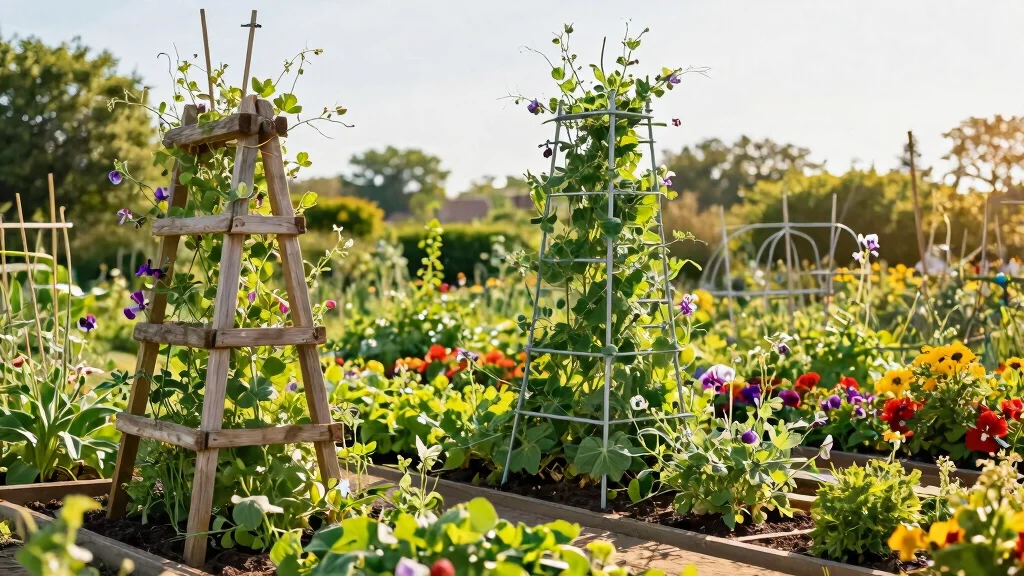
Growing peas can be one of the most rewarding experiences in your gardening journey. There’s something magical about watching these quick climbers reach for the sky, transforming your garden space into a lush, green spectacle. However, to achieve that, you need an effective support system. That’s why I created this post. I wanted to share creative and functional pea trellis ideas that will not only help your plants thrive but also add charm to your garden design.
If you’re a gardening enthusiast or just starting out, this guide is for you. Maybe you love vertical gardening or are seeking DIY trellis solutions that fit your style. Perhaps you’re limited on space but still want to grow those delicious, crisp peas. Whatever your reason, I’ve compiled a list of 10 unique trellis ideas that are practical, aesthetically pleasing, and perfect for supporting climbing plants in your vegetable garden.
In this blog post, you’ll discover various trellis options, from rustic wooden ladders to decorative wire trellises. Each suggestion is designed to cater to different tastes and garden setups. You’ll not only get inspired but also gain practical insights on how to build or set up these trellises for optimal growth. Let’s dig in and elevate your pea-growing game!
Key Takeaways
– You’ll explore 10 creative pea trellis ideas that cater to various styles and preferences, helping you choose the best fit for your garden.
– Learn about DIY solutions that can save you money while allowing you to express your personal touch in garden design.
– Understand the benefits of vertical gardening, including maximizing space and enhancing accessibility for harvesting.
– Each trellis idea comes with practical tips on building and maintaining your structure, ensuring your peas have the support they need to reach their full potential.
– Get inspired to create a beautiful garden space that not only grows food but also turns your outdoor area into a visual delight.
1. Rustic Wooden Ladder Trellis
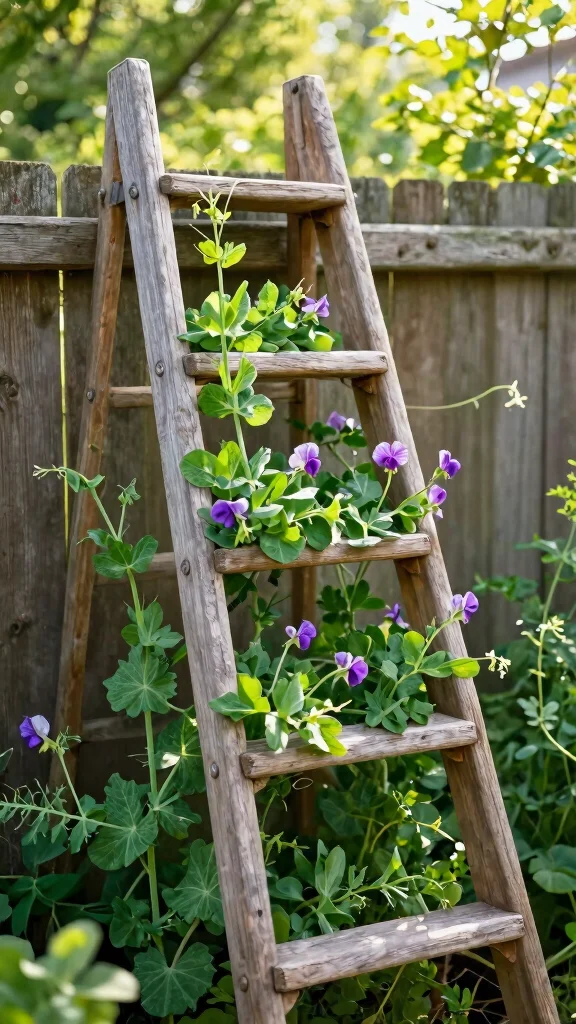
Are you looking to add a cozy, rustic vibe to your garden? A wooden ladder trellis not only serves as a climbing frame for your peas but also acts as a charming decorative piece. Lean an old ladder against a wall or fence, and watch your peas spiral around the rungs, creating a stunning vertical display that invites curiosity and admiration.
Using a wooden ladder is beneficial for easy harvesting and makes gardening fun. Plus, it’s a simple DIY project that adds character to your outdoor space. This method is perfect for all gardeners, regardless of experience level.
Make sure the ladder is sturdy enough to withstand the elements. You can secure it with twine for extra stability if needed.
– Choose a ladder that is at least 5-6 feet tall to maximize vertical growth.
– Paint it in bright colors to make a bold statement in your garden.
– Combine it with other climbing plants to create a lush, vibrant look.
2. Trellis Wall Garden
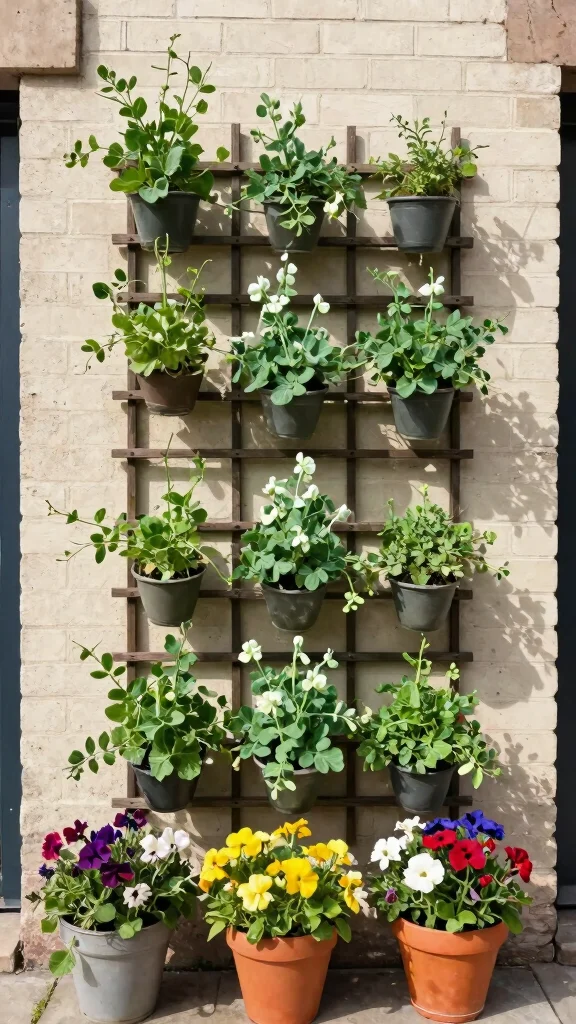
Do you have an empty wall that could use some life? A trellis wall garden is the perfect solution, transforming that blank space into a beautiful vertical garden. By attaching a trellis panel to the wall, you can provide a secure climbing frame for your peas while incorporating pots or planter boxes at the base, making it ideal for small spaces.
This design not only maximizes your garden space but also adds depth and interest to your surroundings. It’s a fantastic way to bring greenery into urban settings.
To make the most of your wall garden, choose a trellis style that complements your home. Opt for lightweight pots to avoid any damage to the wall.
– Pick pea varieties that do well in containers for the best results.
– Consider a drip irrigation system for hassle-free watering.
– Experiment with varying heights of planters for visual interest.
3. Classic A-Frame Trellis
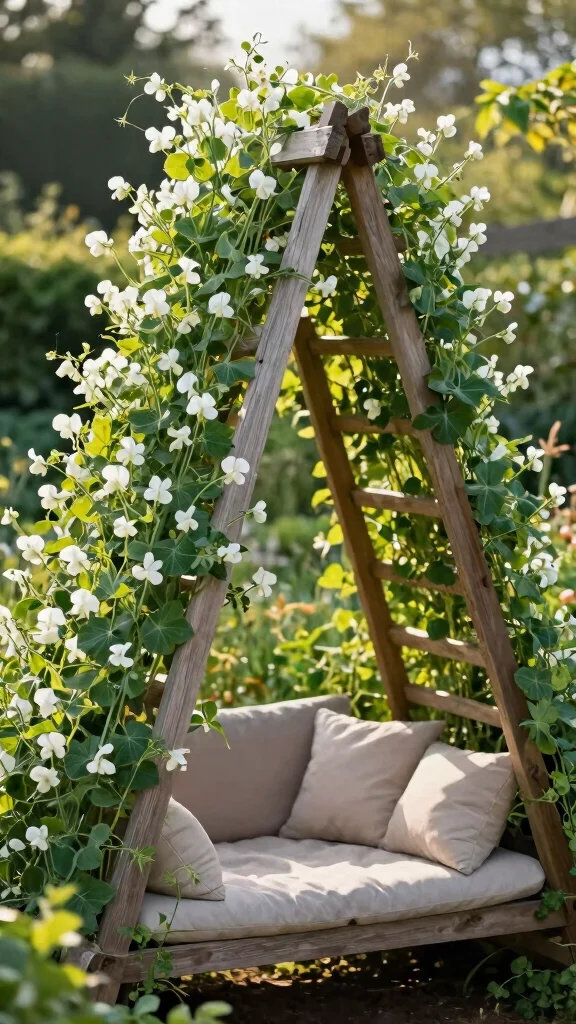
Feeling like your garden needs a standout feature? The classic A-frame trellis is an excellent choice, providing strong support for your climbing peas while creating an inviting arch shape. Position it centrally or along a pathway to make it a focal point, where peas can flourish and create a lush green canopy for shade.
This design not only supports growth but also enhances your garden’s visual appeal, providing a perfect spot to relax beneath as you enjoy your outdoor space.
Make sure to secure the base well to prevent it from tipping over, especially as the plants grow heavy.
– Use untreated wood to keep your soil chemical-free.
– Add string lights for a magical atmosphere in the evenings.
– Group it with other plants to create a rich, biodiverse environment.
4. Wire Mesh Trellis
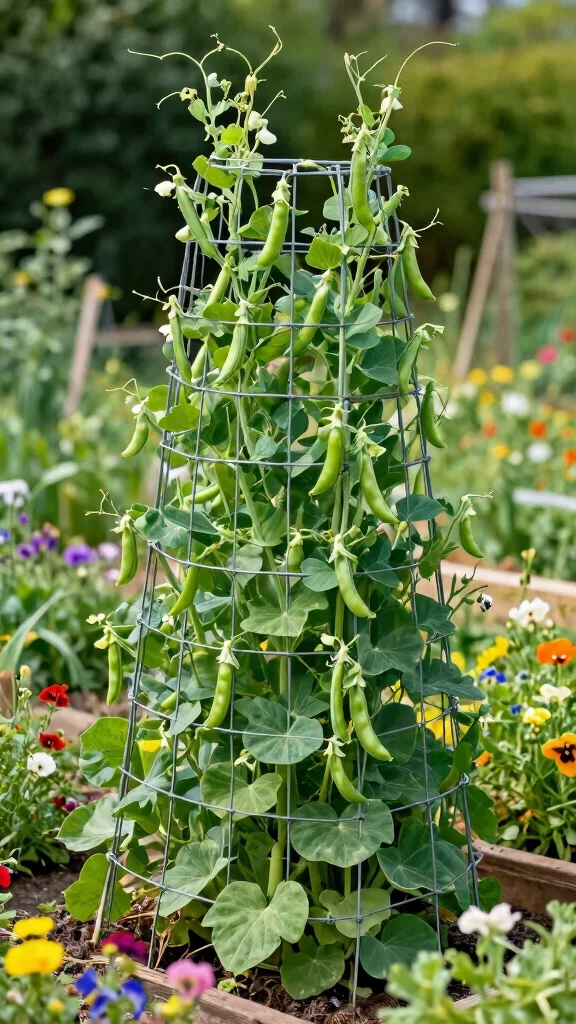
Are you seeking a functional yet stylish trellis option? Wire mesh trellises are incredibly versatile, making them suitable for any garden style. By attaching a sturdy wire mesh panel to a frame, you provide a perfect climbing surface for your peas while ensuring good air circulation, which helps reduce the risk of disease.
This design allows your plants to receive plenty of sunlight and supports heavier crops effectively, leading to a bountiful harvest.
Use galvanized wire to ensure longevity and prevent rusting.
– Choose a green or natural color to seamlessly blend into your garden.
– Pair with other climbing plants for a beautiful green tapestry.
– Secure the base well to prevent it from toppling during storms.
Fun fact: a galvanized wire mesh pea trellis can boost airflow by up to 40% while supporting heavier pea crops. In tight spaces, this setup dries faster and reduces disease risk, helping you harvest a bountiful crop with minimal effort.
5. Bamboo Teepee Trellis
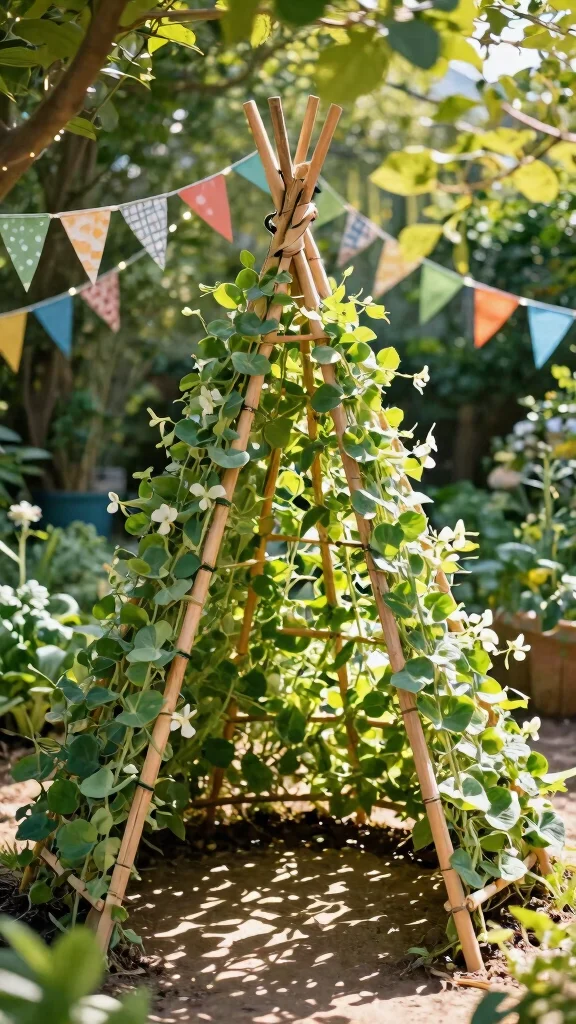
Do you want to bring a playful touch to your garden? Bamboo teepee trellises are a fantastic DIY project that not only supports your peas but also adds a whimsical element. Gather a few bamboo poles, tie them together at the top, and create a tripod for your peas to vine around, forming a natural and beautiful structure.
This option is cost-effective and offers a fun way for kids to engage with gardening, encouraging them to explore and learn.
Choose thicker bamboo poles for better durability, and make sure they are firmly planted in the ground.
– Decorate the teepee with fairy lights or fabric for added flair.
– Incorporate a variety of climbing plants for a diverse garden environment.
– Water the young plants regularly, as they can dry out quickly in the sun.
6. Repurposed Window Frame Trellis
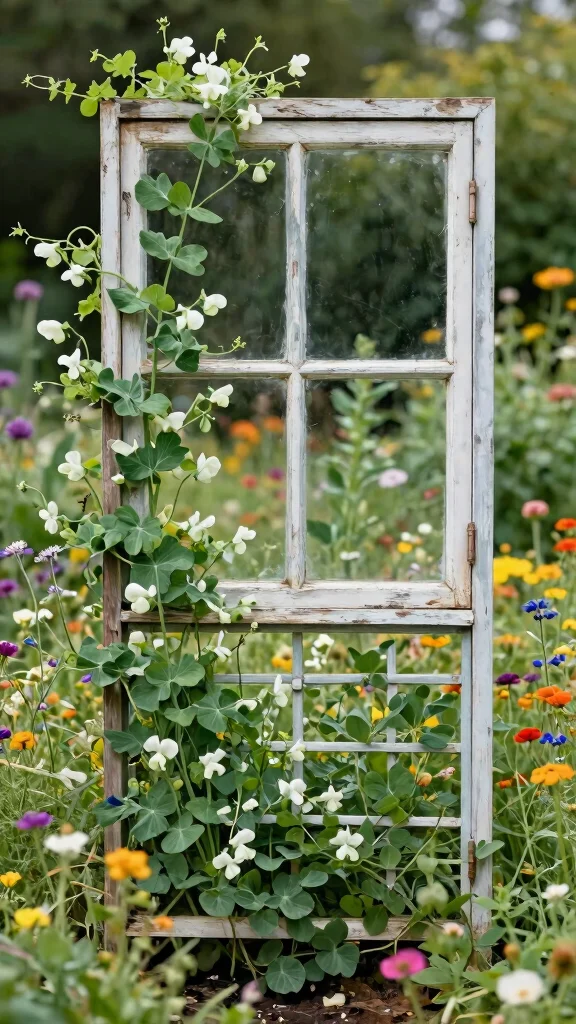
Looking for a unique way to beautify your garden? An old window frame can be transformed into a stunning trellis, adding vintage charm while offering a great climbing structure for your peas. You can attach it to a wall or set it up vertically, allowing your peas to weave through the openings for an eye-catching visual effect.
This eco-friendly option reuses materials and enhances the aesthetic of your garden, making it a creative project to undertake.
Check for sharp edges on the frame and sand them down to prevent any injuries while gardening.
– Paint the frame in vibrant colors or keep it weathered for a rustic look.
– Position it for maximum sunlight exposure for your plants.
– Mix in other climbing flowers to create a colorful backdrop.
7. Pallet Pea Trellis

Are you on the lookout for an affordable gardening solution? Using wooden pallets as trellises is not only budget-friendly but also environmentally conscious. Simply position the pallet upright and secure it, allowing your peas to climb through the gaps while adding pots at the bottom for more plants.
This method creates a rustic, farm-style look that’s perfect for vegetable gardens, making it both functional and aesthetically pleasing.
Ensure the pallet is clean and free from chemicals, especially if you’re growing edible plants.
– Sand down any rough edges for safe handling.
– Utilize both sides of the pallet for extra planting area.
– Combine with other repurposed materials like crates for a cohesive garden design.
8. Archway Trellis
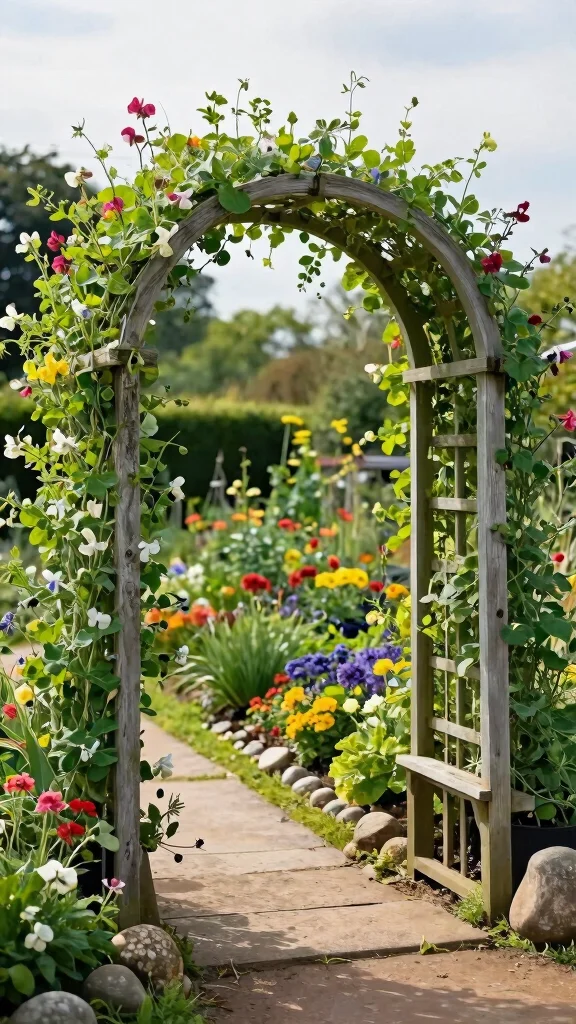
Do you want to create a stunning entrance to your garden? An archway trellis can serve as a beautiful pathway for your climbing peas to thrive. You can easily purchase a pre-made arch or build one using wooden beams, adding decorative stones at the base for an added touch of elegance.
This structure not only enhances the visual impact of your garden but also serves as a lovely entry point into your green sanctuary.
Make sure the arch is tall enough for easy passage underneath it.
– Use durable materials like wood or metal to withstand the elements.
– Decorate with climbing roses or other flowering plants for a romantic ambiance.
– Utilize the archway as a focal point for outdoor gatherings or celebrations.
9. Vertical Planter Trellis
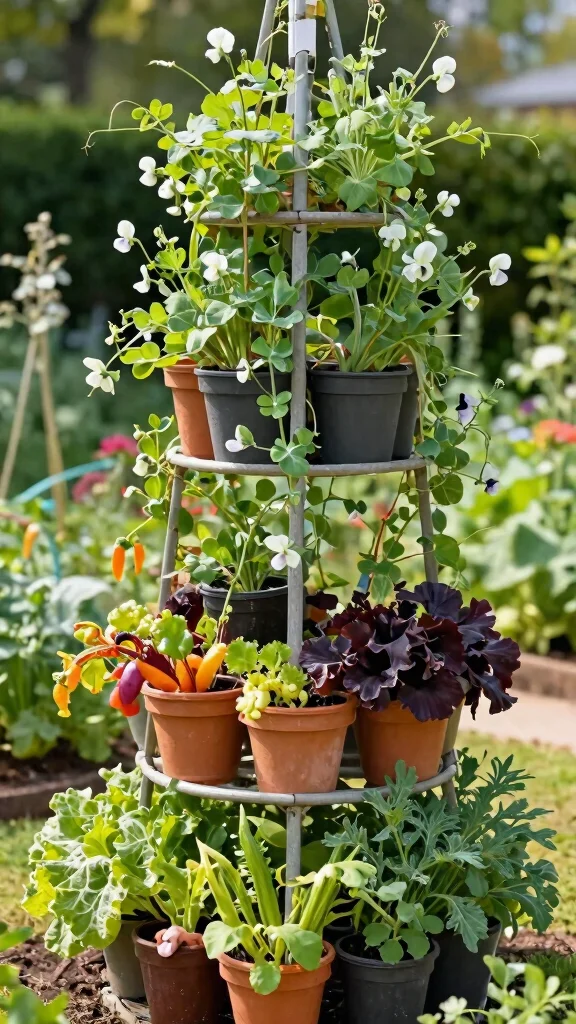
Are you short on space but still want to grow your favorite vegetables? Vertical planters offer a fantastic solution, allowing you to cultivate not only peas but a variety of vegetables in limited areas. These planters typically consist of stacked pots or a wall of planter boxes attached to a fence, giving your peas a chance to climb while other plants thrive below.
This approach optimizes your space and can visually enhance any garden design, making your gardening experience more enjoyable and productive.
Select lightweight containers for easy rearranging and movement.
– Ensure good drainage in each planter to prevent root rot.
– Mix in herbs or other vegetables to diversify your harvest.
– Place the vertical planter in a sunny spot for the best growth.
Vertical planters turn tiny spaces into thriving gardens. Peas climb the trellis while other veggies flourish below—maximize every square foot. Pro tip: choose sturdy cages, ensure good drainage, and water regularly for a successful pea trellis at home.
Key Trade-offs & Our Top Pick
Rustic Wooden Ladder Trellis
– Pros:
✔ Easy to find materials, often available at home
✔ Provides a charming, rustic look to your garden
– Cons:
❌ May require regular maintenance to prevent rot
❌ Limited height for taller climbing plants
– Best for: Gardeners who enjoy a DIY project and want a rustic aesthetic in their vertical gardening setup.
Classic A-Frame Trellis
– Pros:
✔ Simple, sturdy structure that supports heavy plants
✔ Effective for maximizing space in small gardens
– Cons:
❌ Requires more space than other trellis styles
❌ Can be more challenging to dismantle for storage
– Best for: Those with moderate gardening space who need a dependable structure for climbing vegetables like peas.
Bamboo Teepee Trellis
– Pros:
✔ Natural look that blends well with garden surroundings
✔ Lightweight and easy to move around
– Cons:
❌ May not support very heavy climbers or withstand strong winds
❌ Limited lifespan if not treated for outdoor use
– Best for: Gardeners looking for an inexpensive and visually appealing solution for climbing plants.
Wire Mesh Trellis
– Pros:
✔ Excellent support for a variety of climbing plants
✔ Durable and often weather-resistant if constructed properly
– Cons:
❌ Installation may require tools and some skills
❌ Can be less visually appealing if not integrated well into the garden design
– Best for: Those who prioritize functionality and need a long-lasting trellis for vegetable gardening.
Repurposed Window Frame Trellis
– Pros:
✔ Unique and eco-friendly option using recycled materials
✔ Adds character and charm to your garden
– Cons:
❌ May not provide sturdy support for heavier climbers
❌ Requires creativity to properly adapt for climbing plants
– Best for: Creative gardeners who enjoy upcycling and want to add a distinctive touch to their garden design.
Best Overall: Classic A-Frame Trellis
The Classic A-Frame Trellis stands out as the top choice for most gardeners. It combines strength, ease of construction, and efficient use of space. This trellis can support a variety of climbing plants, including peas, without requiring extensive maintenance. Plus, it’s versatile enough to fit in most garden designs, making it a reliable option for both novice and experienced vegetable gardeners.
Why We Picked This:
While the Classic A-Frame Trellis is our top pick, some may prefer the DIY charm of a Rustic Wooden Ladder Trellis or the eco-friendliness of a Repurposed Window Frame Trellis. Consider your garden’s aesthetics, your skill level, and the specific plants you want to grow when choosing the best pea trellis for your needs.
10. Decorative Wire Trellis
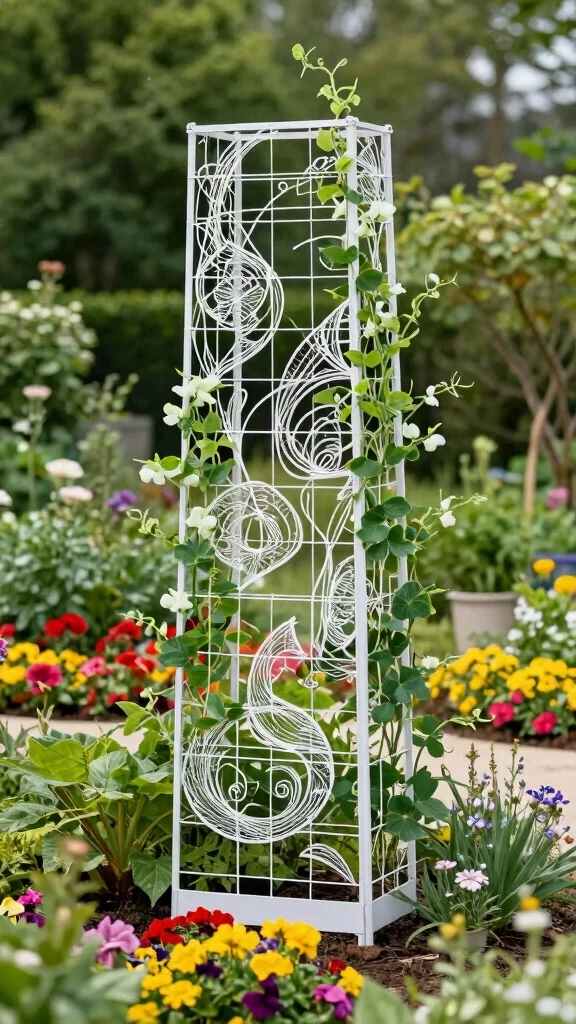
Want to add some modern flair to your garden? Decorative wire trellises provide a chic and stylish way to support your climbing peas. You can purchase these sleek designs or create custom pieces, enhancing the aesthetic appeal of your garden while ensuring ample support for your plants.
These trellises can double as garden art, making your vegetable garden not just functional but visually stunning and inviting.
Choose a design that aligns with your garden’s overall theme for a cohesive look.
– Position the trellis for optimal viewing from different angles.
– Pair it with ornamental plants for a layered, lush appearance.
– Use soft wire to prevent plant damage as they climb.
Ever notice how a stylish pea trellis makes gardening feel easier? Decorative wire trellises turn climbing peas into garden art, so you get both beauty and harvest—no extra steps needed.
Conclusion
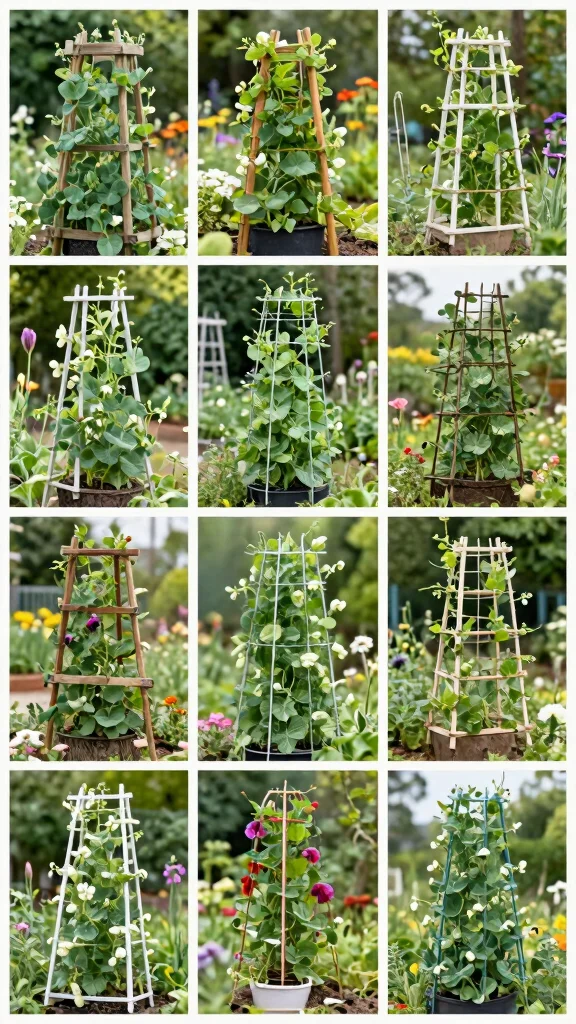
Creating a pea trellis not only enhances your gardening space but also promotes healthy growth for your climbing plants. Whether you choose a rustic wooden ladder, a chic decorative wire design, or something uniquely your own, the right trellis can transform your vegetable gardening experience. As you explore these 10 ideas, remember that gardening is all about creativity and personal expression. Embrace the journey and let your garden flourish!
Note: We aim to provide accurate product links, but some may occasionally expire or become unavailable. If this happens, please search directly on Amazon for the product or a suitable alternative.
This post contains Amazon affiliate links, meaning we may earn a small commission if you purchase through our links, at no extra cost to you.
Frequently Asked Questions
What is a pea trellis and why should I use one for vertical gardening?
A pea trellis is a simple support that helps pea plants climb upward instead of sprawling across the ground. It’s a staple of vertical gardening because it saves space, reduces disease by improving air flow, keeps pods clean, and makes harvesting easier. To get started: choose a sunny spot (about 6–8 hours), pick a sturdy frame (bamboo stakes, a wooden lattice, or a welded wire panel), and anchor it securely with stakes or posts. Plant peas about 1–2 inches from the base, then as vines grow, gently guide them to the trellis and tie them with soft garden twine every 6–8 inches. A simple teepee or ladder trellis is a quick win for any garden design.
What are some easy DIY trellis ideas for peas that fit a small garden?
Here are fast, affordable DIY trellis ideas for your pea trellis setup: a 4-stake teepee with twine; a DIY ladder trellis using two upright frames and cross rungs; bending a cattle panel into an arch or archway; or a simple netting over a frame. Materials like bamboo stakes, reclaimed wood, or scrap fencing work great, and you can anchor them with garden stakes or screws. Steps: install the frame, stretch strong twine or netting as the climbing surface, then train peas to cling using soft ties. These ideas fit tight spaces and keep your vertical gardening neat and productive.
How tall should a pea trellis be and how do I train climbing pea plants?
Most pea varieties will happily reach 4–8 feet tall on a sturdy trellis. For dwarf or bush peas, a 3–4 foot trellis will do. Plant seeds at the base, about 1 inch deep and 2 inches apart. When seedlings reach 4–6 inches, start tying them loosely to the trellis with soft garden ties, then continue guiding new growth as it appears. Regularly check for sagging sections and adjust ties to keep vines neat. Pro tip: install the trellis before sowing so you don’t disturb roots, and choose a trellis height that suits your space and chosen pea variety in your garden design.
What materials work best for a durable pea trellis in a garden design?
For durability and a clean look, try galvanized wire panels, welded mesh, or a wooden lattice. Heavy-duty posts or thick bamboo can handle weather and heavy pods. A common, budget-friendly option is a 4–8 foot cattle panel bent into a simple tunnel or arch. Use anchors like eye bolts, zip ties, or wire to secure the frame, and choose materials that complement your garden design. Avoid rotting wood near soil and go for rust-resistant metal when possible to keep your pea trellis lasting for seasons.
How can pea trellises maximize space and improve yields in vegetable gardening?
Vertical supports turn valuable ground space into productive growing area. Place your pea trellis along a sunny edge or fence, and plant peas in a staggered spacing so you can harvest from both sides. Use succession sowings every couple of weeks to keep the harvest coming. Plant beneath taller crops or underneath the trellis for companion planting ideas in vegetable gardening. Keep the soil evenly moist, mulch to conserve moisture, and harvest frequently to encourage continual pod production. A well-designed trellis can dramatically boost yield without expanding your footprint in small garden design.
Related Topics
pea trellis
vertical gardening
DIY trellis
climbing plants
vegetable gardening
garden design
beginner friendly
space saving
easy gardening
quick climbers
sustainable gardening
seasonal planting