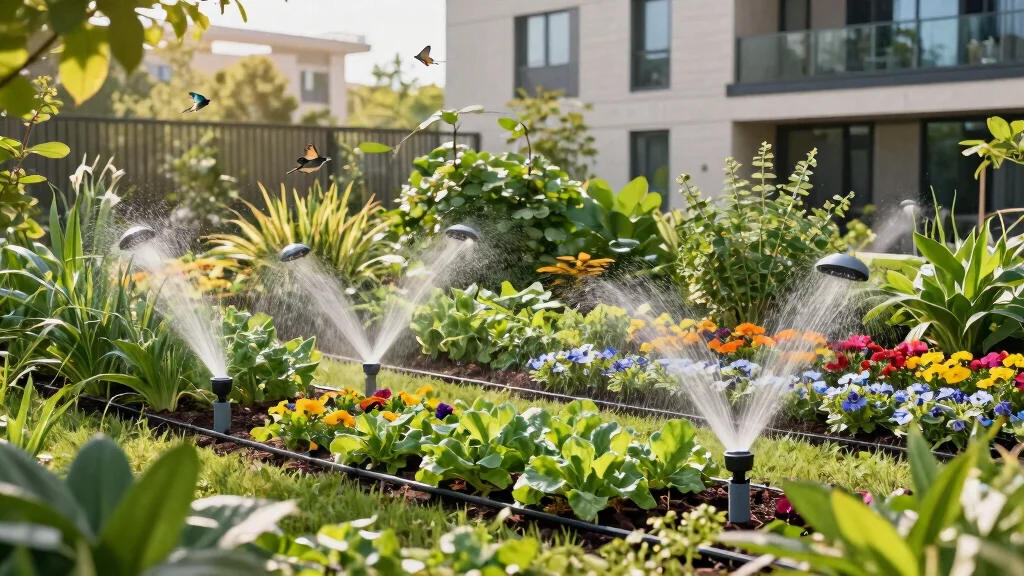
Creating a vibrant garden is something many of us dream of, but watering it efficiently can sometimes feel like a daunting task. This post focuses on mastering sprinkler systems to help your garden thrive. The motivation behind this guide is to simplify garden irrigation for both novice and experienced gardeners. With the right sprinkler system, you can save time, conserve water, and ensure your plants get the hydration they need without breaking a sweat.
If you’re a city dweller or someone keen on sustainable gardening practices, you’ll find valuable insights here. Whether you are looking to grow a few herbs on your balcony or planning a full vegetable garden, understanding smart irrigation systems is essential. I’ve compiled 13 innovative plans that cater to various gardening needs and styles. Each system is designed to fit into your lifestyle while making gardening a joy rather than a chore.
Through this post, you’ll discover practical techniques and tools that make watering your garden easier and more effective. From drip irrigation to smart controllers, there’s a plan here that fits your garden and provides the care your plants deserve. Get ready to dive into a world of efficient watering solutions that will help you cultivate your dream garden with ease.
Key Takeaways
– Explore 13 Master Sprinkler Plans: These plans include various systems, each designed to suit different garden types and sizes, ensuring efficient watering tailored to your needs.
– Understand Drip Irrigation: This water-saving champion delivers moisture directly to the roots, minimizing waste and promoting healthy plant growth.
– Discover Smart Controllers: Learn how these tech-savvy devices can automate your watering schedule, taking the guesswork out of garden maintenance.
– Implement Soil Moisture Sensors: These tools help you monitor your garden’s hydration levels, ensuring you only water when necessary, which conserves water and promotes healthier plants.
– Consider Community Water Sharing: Join local gardeners in sharing resources and best practices, making your gardening efforts more sustainable and connected.
1. Drip Irrigation: The Water-Saving Champion
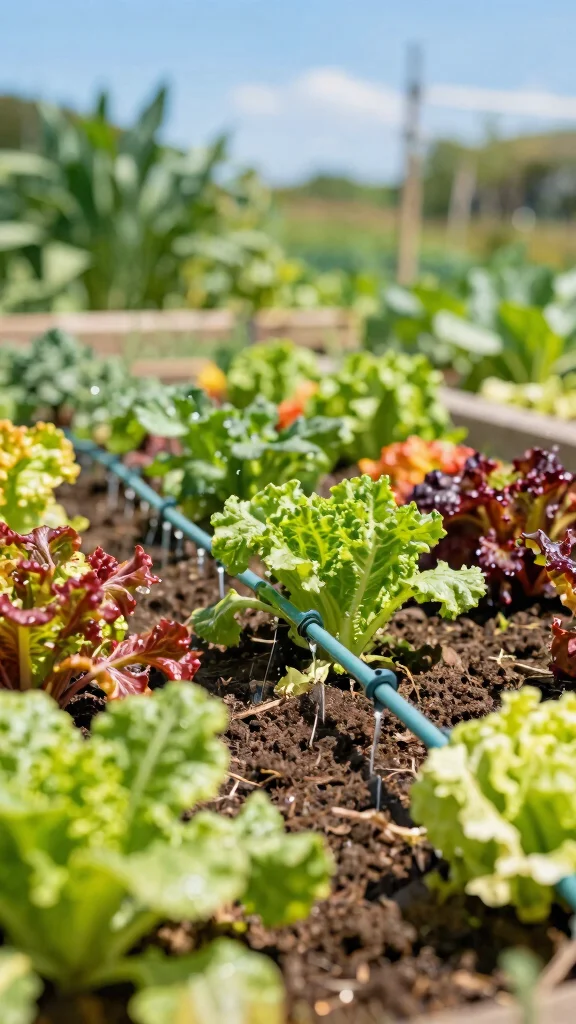
If you’re looking for a way to keep your garden lush while saving water, drip irrigation is your answer. This method channels water straight to the roots of your plants, reducing evaporation and runoff. Imagine giving your plants a targeted drink without soaking the entire garden, making it perfect for tighter spaces or urban environments! From colorful tubing to efficient emitters, it’s like a spa day for your plants.
Start by mapping out your garden layout to determine where to place the tubing. Customize the emitter placement based on your plants’ needs for optimal growth. The result? Healthy plants thriving with minimal water waste.
Key benefits of drip irrigation:
– Conserves water for efficient gardening
– Reduces weed growth by watering only plants
– Promotes healthier roots and blooms
– Use a timer for hassle-free watering
By adopting drip irrigation, you not only conserve water but also create a thriving garden that stands out in your neighborhood.
Drip irrigation can slash water use by up to 50% in tight urban gardens. Master sprinkler grow a garden with targeted root watering, and your plants drink deeply while the rest stays dry. A simple tube and emitters turn watering into a spa day for your whole plot.
2. Smart Sprinkler Controllers: The Techy Solution
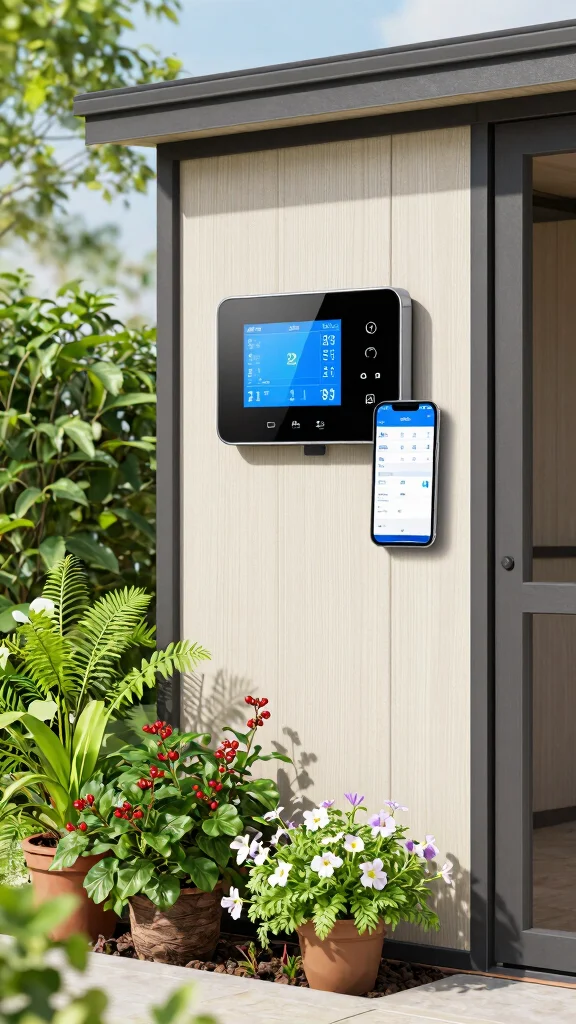
Imagine having a gardening assistant that knows when to water your plants—that’s what smart sprinkler controllers bring to the table. These devices adjust watering schedules based on real-time weather data and soil moisture, ensuring your plants get the right amount of hydration without waste. Perfect for busy lifestyles, they help you avoid the hassle of manual watering! With innovative technology at your fingertips, your garden flourishes effortlessly.
To get started, simply install the controller and connect it to your existing sprinkler system. Explore various models that fit your budget and landscape needs. You’ll enjoy lower water bills and healthier plants through efficient watering.
Features to consider:
– Connect to Wi-Fi for remote access
– Set schedules via a mobile app
– Integrate weather forecasts for optimal watering
– Check compatibility with your current setup
With smart technology in your garden, you’ll find watering becomes less of a chore and more of a joy as your plants thrive!
3. Rain Barrels: Nature’s Water Collectors
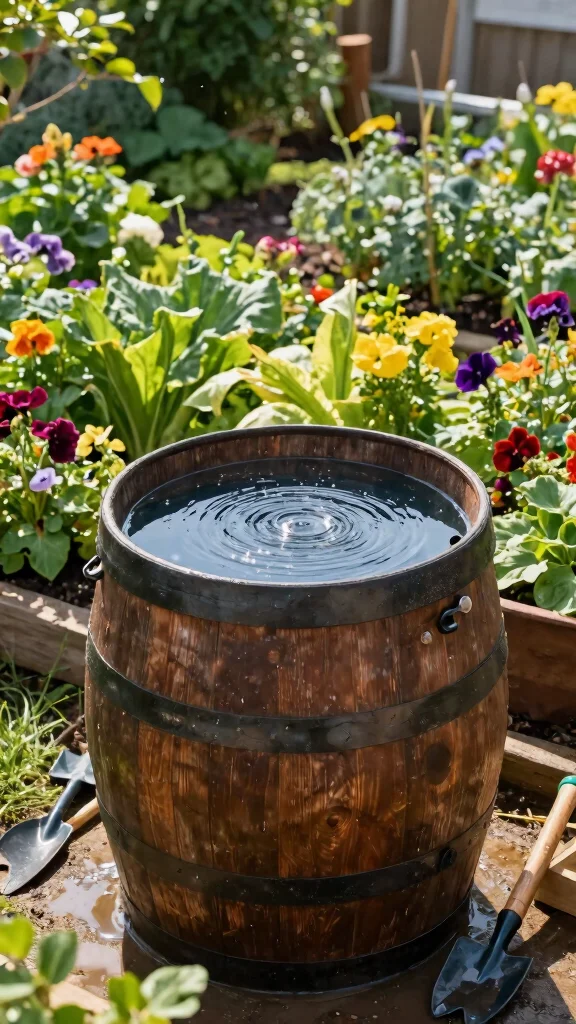
Harnessing nature’s bounty has never been easier with rain barrels. These eco-friendly containers allow you to collect rainwater, providing a sustainable and cost-effective way to hydrate your garden. By connecting them to your downspouts, you ensure that every drop counts. Plus, your plants benefit from nutrient-rich water that’s perfect for growth!
Position your rain barrels strategically under gutters to maximize collection. Keep them clean and free of debris for the best results. You can easily use a hose or a gravity-fed system to water your garden, making it a breeze.
Essential tips for using rain barrels:
– Place barrels in shaded areas to keep water cool
– Maintain cleanliness to prevent algae
– Use a spigot for easy access
– Install a mesh filter to keep pests out
Incorporating rain barrels into your watering routine not only supports the environment but also helps you save money while nurturing your plants.
4. Soaker Hoses: The Silent Helpers
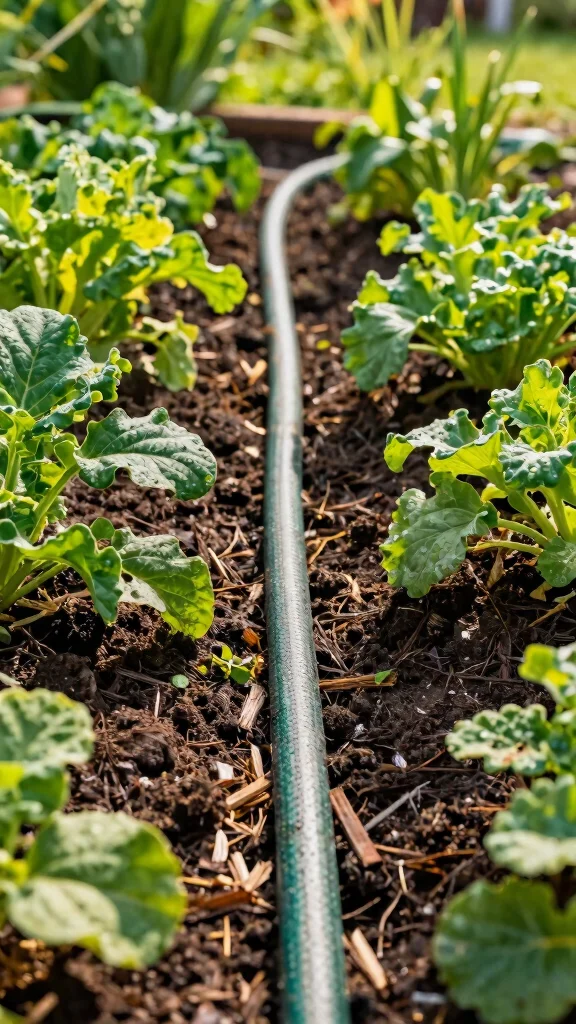
Discover the magic of soaker hoses for watering your plants efficiently. These porous hoses release water slowly along their length, ensuring deep hydration directly at the roots. Ideal for flower beds or long rows, they’re a perfect solution for urban gardens needing effective watering without the fuss!
Simply lay the hoses along your garden beds or bury them under mulch for even moisture distribution. This method reduces evaporation and prevents fungal diseases, promoting healthier plant growth. Regularly check for clogs to maintain their effectiveness.
Quick tips for using soaker hoses:
– Bury hoses under mulch for better results
– Adjust placement based on plant spacing
– Pair with a timer for consistent watering
– Clean periodically to prevent blockages
With soaker hoses, you’ll transform your watering routine and make every drop count toward lush, thriving plants.
5. Sensor Systems: Soil Moisture Monitoring
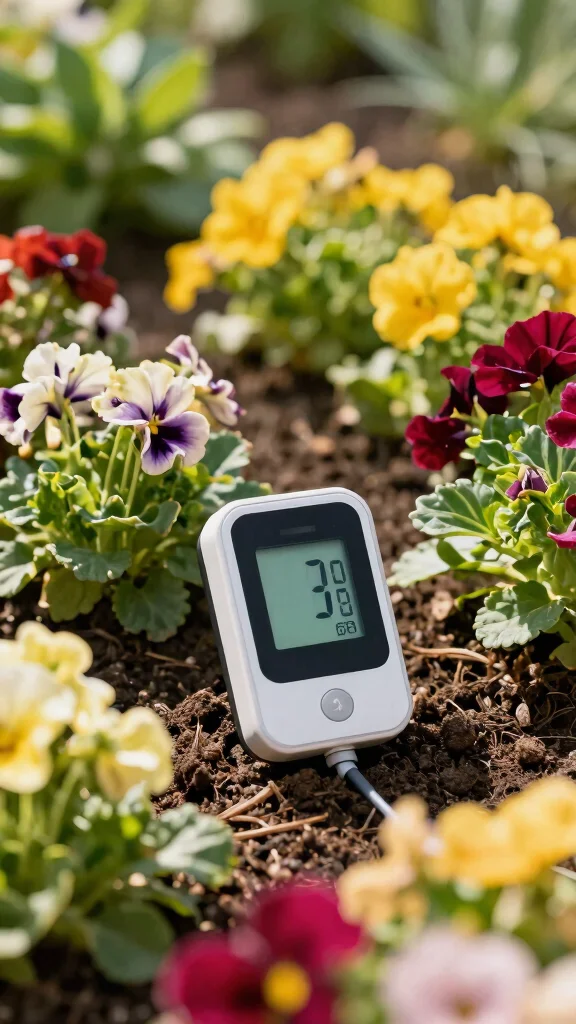
Take the guesswork out of watering with sensor systems that monitor your garden’s moisture levels. These smart devices alert you when your plants need water, ensuring they receive the hydration they crave without the risk of overwatering. Perfect for diligent gardeners who want their plants to thrive year-round!
Installing these sensors is straightforward, and they can easily connect to your existing watering systems. This tailored approach promotes healthier plants and conserves water, giving you peace of mind.
What to look for in sensor systems:
– Real-time moisture level readings
– Alerts for watering needs via app
– Compatibility with various irrigation methods
– User-friendly installation process
With sensor systems, you’ll keep your garden blooming beautifully while saving water and effort!
6. Automated Sprinkler Systems: Convenience at its Best
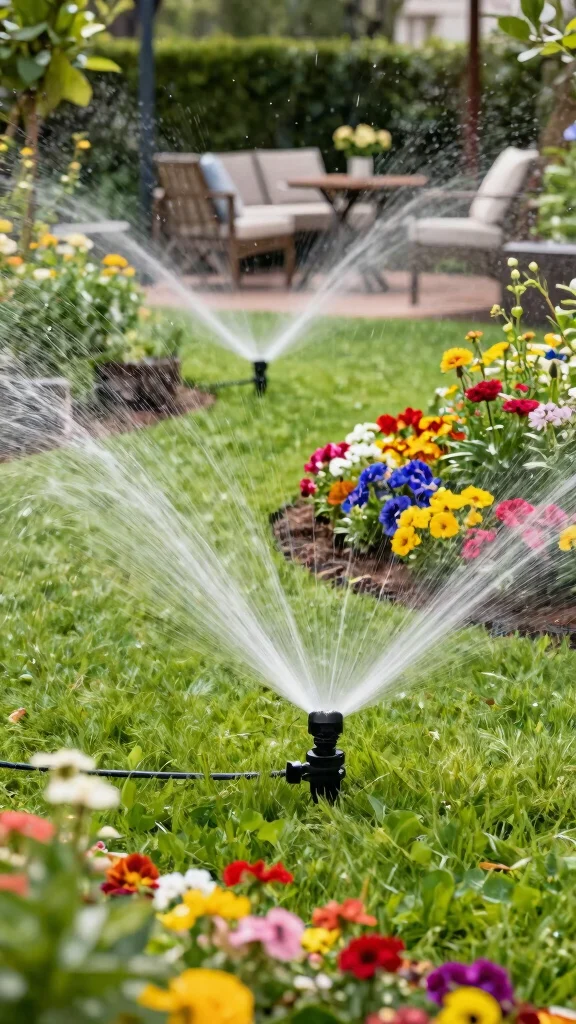
Experience ultimate convenience with automated sprinkler systems. Once set up, these systems take over the watering process, allowing you to focus on enjoying your garden instead of managing it. Tailor the settings for different zones, accommodating the unique needs of various plants in your yard.
While installation may be more complex, the time saved is worth the effort. Regularly check for clogs and ensure that sprayers are aligned for optimal performance.
Consider these features when choosing a system:
– Create specific watering schedules for each zone
– Adjust settings easily for seasonal changes
– Incorporate rain sensors to prevent overwatering
– Monitor system performance regularly
With automated sprinklers, gardening becomes a delightful hobby rather than a daily chore!
7. Timing Your Water: The Science of Sprinkler Scheduling
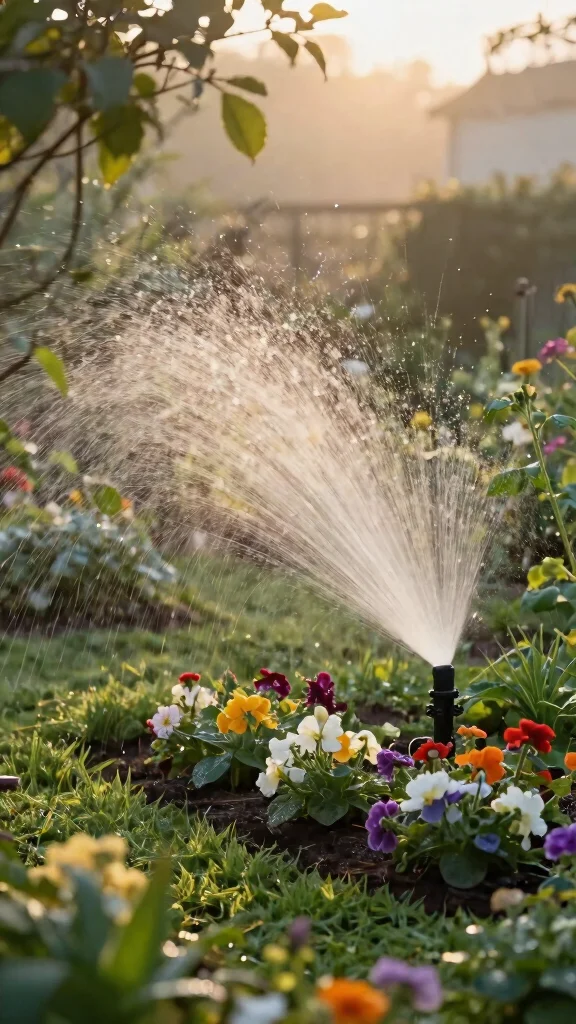
Mastering the art of watering can elevate your garden’s health. Understanding the best times to water your plants, such as early morning or late evening, reduces evaporation and allows water to soak in effectively. This simple practice can make a huge difference in your urban garden!
Adjust your watering frequency based on rainfall and the specific needs of your plants. Longer, less frequent watering sessions encourage deep root growth, leading to stronger plants.
Key scheduling tips:
– Avoid watering during peak sun hours
– Monitor weather conditions to adjust your schedule
– Use a rain gauge to track precipitation
– Keep a watering log for reference
Perfecting your watering schedule not only conserves water but also leads to a thriving garden filled with vibrant plants!
8. Mulching: The Natural Water Retainer

Enhance your garden’s health with mulching, a simple yet effective technique that retains moisture and suppresses weeds. By applying organic materials like straw or wood chips, you create a protective layer over the soil. This helps to keep roots cool and reduces the need for frequent watering.
Apply a 2-4 inch layer of mulch around your plants and refresh it each season for optimal benefits. As the mulch decomposes, it enriches the soil, promoting healthy plant growth.
Consider these mulching tips:
– Choose organic materials for best results
– Spread evenly to avoid compaction
– Monitor moisture levels beneath the mulch
– Use colored mulch for added aesthetics
Incorporating mulch not only beautifies your garden but also creates a sustainable environment that nurtures plant growth.
Key Trade-offs & Our Top Pick
Choosing the right garden irrigation system can be overwhelming. With so many options available, it’s vital to weigh the pros and cons of each. Below, you’ll find a comparison of some popular choices to help you make an informed decision.
1. Drip Irrigation
– Pros:
– Saves water by delivering it directly to the roots of plants. 🌱
– Reduces weed growth since water is concentrated at the plant base.
– Cons:
– Installation can be time-consuming and requires planning.
– May clog without regular maintenance.
– Best for: Small gardens or areas with delicate plants that need consistent moisture.
2. Smart Sprinkler Controllers
– Pros:
– Adjusts watering schedules automatically based on weather conditions. ⏱
– Can be controlled remotely via smartphone apps.
– Cons:
– Higher initial cost compared to traditional systems.
– Requires Wi-Fi access for full functionality.
– Best for: Tech-savvy gardeners who want convenience and precise control.
3. Rain Barrels
– Pros:
– Collects rainwater, reducing dependence on municipal water. ☔️
– Eco-friendly and can save money on water bills.
– Cons:
– Limited water supply during dry spells.
– Requires space for installation and maintenance.
– Best for: Environmentally conscious gardeners looking to conserve water.
4. Soaker Hoses
– Pros:
– Simple to set up and can be placed throughout the garden. 💧
– Provides even moisture and reduces evaporation.
– Cons:
– Less effective in hard soil; water may not penetrate deeply.
– Can be damaged if left exposed to the sun for long periods.
– Best for: Gardens with a variety of plant types that need gentle watering.
5. Automated Sprinkler Systems
– Pros:
– Can cover large areas efficiently with minimal effort. 🚀
– Offers customizable settings for different zones within your garden.
– Cons:
– Higher installation costs and complexity.
– May lead to overwatering if not monitored properly.
– Best for: Large urban gardens that require extensive coverage and flexibility.
Expert Recommendation:
Best Overall: Drip Irrigation
For most gardeners, drip irrigation is the best choice. It provides excellent water conservation by directing moisture straight to plant roots, reducing waste. The initial setup might take some time, but once in place, it’s easy to maintain and can lead to healthier plants over the long run. You’ll enjoy a flourishing garden without the stress of overwatering or wasting resources.
Why We Picked This:
While drip irrigation stands out as the top pick, others like smart controllers and rain barrels are excellent for specific needs. Smart controllers are great for those who love technology, while rain barrels are perfect for eco-conscious gardeners. Choose according to your garden size, personal preferences, and maintenance willingness. Each option has its strengths, so consider what matters most to you!
9. Creating Watering Zones: Tailored Care

Designing specific watering zones in your garden allows for customized care tailored to different plants’ needs. By grouping plants with similar moisture requirements, you can optimize water usage and ensure that every plant thrives. This approach is especially useful in urban gardens where resources are often limited!
Arrange your plants based on their sunlight and moisture needs. Adjust your watering systems accordingly to cater to each zone, ensuring optimal health across your garden.
Steps to create effective watering zones:
– Group plants by their water and sun needs
– Adjust your irrigation design for each zone
– Monitor moisture levels regularly
– Use markers to visually indicate watering requirements
With well-planned watering zones, you’ll promote healthier growth while conserving water and resources in your garden!
10. Advanced Mist Systems: Perfect for Delicate Plants

If you have delicate plants that need gentle care, consider using advanced mist systems. These systems create a fine mist to hydrate leaves without overly wetting the soil, perfect for sensitive plants like herbs and tropical varieties. This method also encourages humidity, making it ideal for specific growing conditions!
While installation might require some extra effort, the benefits are worth it. Adjust the misting settings to cater to your plants’ unique needs for optimal growth.
Benefits of mist systems include:
– Ideal for greenhouses or shaded areas
– Prevents leaf scorching from direct watering
– Supports humidity levels for delicate plants
– Combine with sensors for automated adjustments
Implementing a mist system can create a perfect micro-climate for your plants, enhancing their health and beauty while reducing water usage!
11. Greywater Systems: Eco-Friendly Recycling
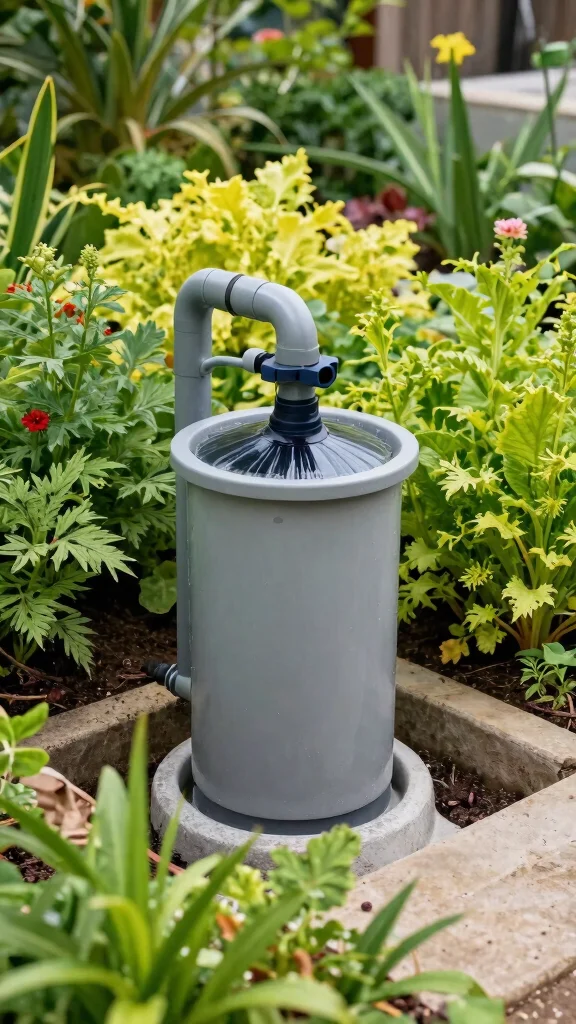
Utilizing greywater systems allows you to recycle water from sinks, baths, and washing machines for your garden. This eco-conscious approach not only reduces water consumption but also provides your plants with essential nutrients. With proper installation and maintenance, you can create a sustainable cycle that benefits your garden and the environment simultaneously!
While greywater systems require planning and adherence to local regulations, the long-term benefits are significant. Ensure you filter the greywater to prevent harmful substances from entering your garden.
Considerations for greywater systems:
– Assess installation requirements and local laws
– Filter water to avoid contaminants
– Monitor for system performance and plant health
– Use in conjunction with other watering methods
By embracing greywater systems, you can turn your garden into a thriving, resourceful haven!
Fun fact: Greywater systems can cut household water use for the garden by up to 50%. For the master sprinkler grow a garden mindset, that eco-friendly recycling feeds your plants with recycled water from sinks, baths, and laundry. With proper installation and maintenance, the benefits keep multiplying.
12. Seasonal Adjustments: Staying Flexible
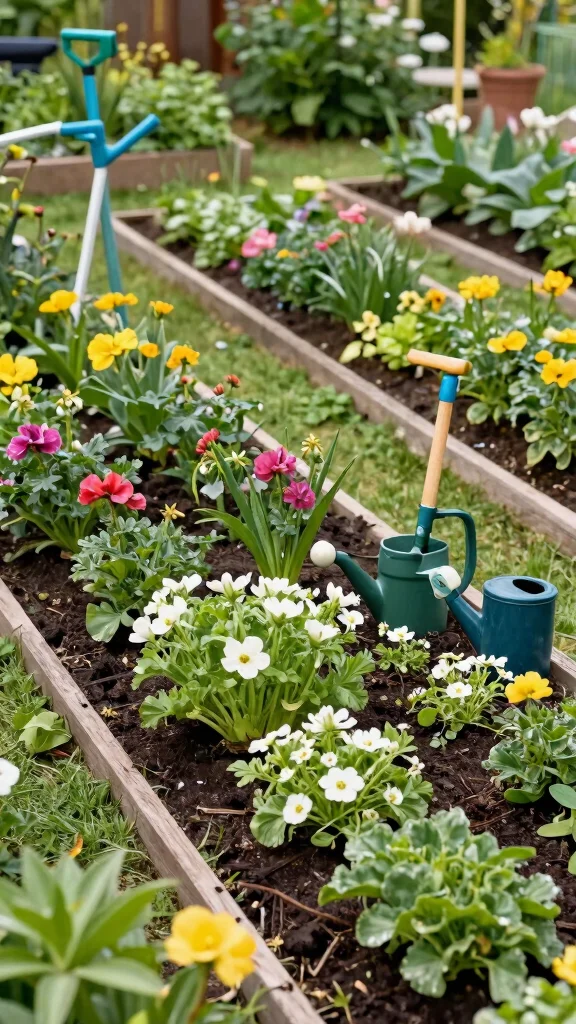
Adjusting your watering strategies with the seasons is vital for a thriving garden. As plants grow and weather patterns change, flexibility in your irrigation plan helps meet their needs effectively. By monitoring moisture levels and adapting your schedule, you ensure that your plants receive the right care throughout the year!
Increase watering during spring as plants actively grow, and adjust for summer heat with more frequent hydration. As temperatures drop in fall, gradually reduce watering to accommodate seasonal changes.
Seasonal watering tips:
– Boost water in spring to support growth
– Increase frequency in hot summer months
– Cut back watering in cooler fall
– Watch soil moisture in winter to prevent freezing
By adapting your approach seasonally, you’ll keep your garden flourishing and resilient!
Fun fact: Seasonal tweaks can cut water use by 20–30% while boosting plant health. Track soil moisture, then adjust your master sprinkler grow a garden plan each season—more water in spring and a gentler approach as summer heat fades.
13. Community Water Sharing: Joining Forces
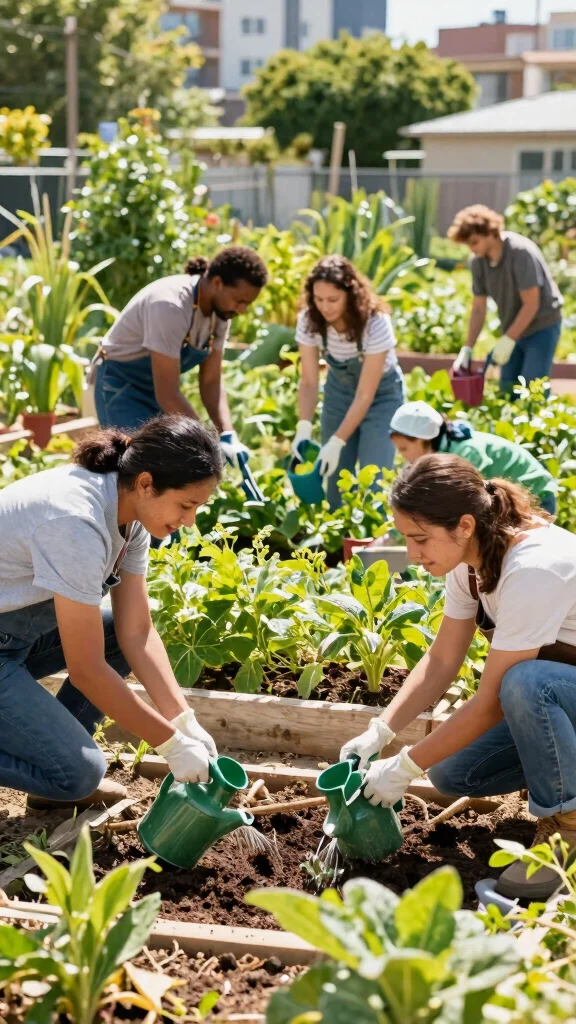
Explore the benefits of community water sharing to enhance your gardening experience. By collaborating with neighbors, you can share resources like water, tools, and gardening tips, creating a more sustainable gardening ecosystem. This cooperative spirit not only strengthens community ties but also maximizes water efficiency across shared spaces!
Start by organizing regular meetings to exchange ideas and resources. Pool together tools and equipment for better project efficiency, and set up a community watering schedule to coordinate efforts.
Key points for successful community sharing:
– Reduce individual costs through shared resources
– Promote eco-friendly practices together
– Establish a tool-sharing system for efficiency
– Create a community watering calendar for organization
Uniting with your neighbors can boost your gardening success while fostering a vibrant community spirit!
Conclusion
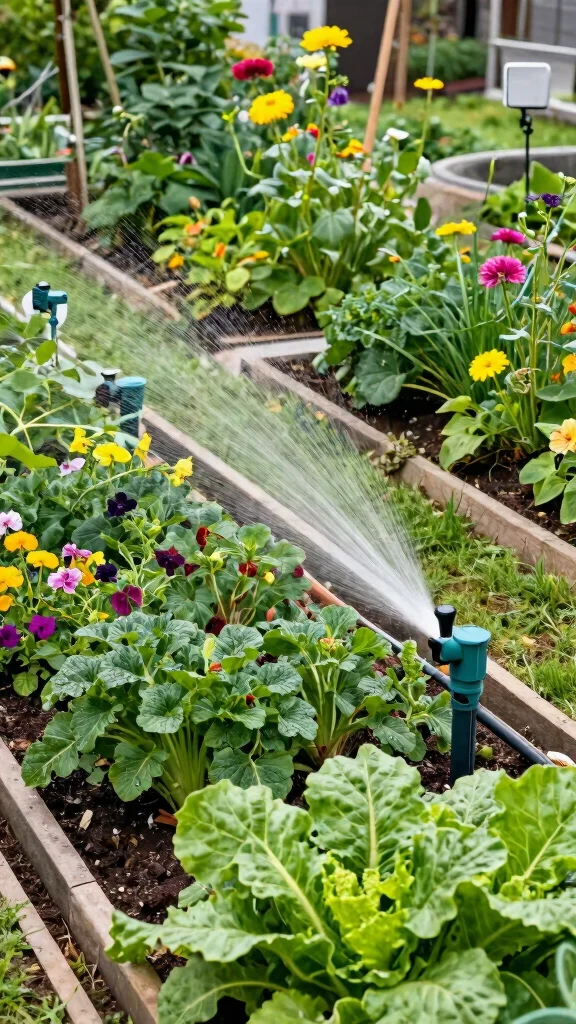
Elevate your urban gardening experience with these innovative sprinkler grow plans! By adopting smart irrigation systems and efficient watering techniques, you’re not only nurturing your plants but also contributing to a more sustainable environment.
Explore the various options available and find what fits your garden best. Your green oasis awaits, so let’s get growing!
Note: We aim to provide accurate product links, but some may occasionally expire or become unavailable. If this happens, please search directly on Amazon for the product or a suitable alternative.
This post contains Amazon affiliate links, meaning we may earn a small commission if you purchase through our links, at no extra cost to you.
Frequently Asked Questions
What does the term “master sprinkler grow a garden” mean for my urban garden?
The phrase signals a planned, integrated approach to watering designed for urban spaces. It combines garden irrigation systems, zone-based watering, and a smart controller so every plant gets the right amount. Steps: assess space, map zones by sun and plant needs, pick a controller with weather-based scheduling, install appropriate emitters or sprinklers, and add a rain sensor to save water. This is a practical way to implement efficient watering techniques and create landscape watering solutions for urban gardens.
How can I design an efficient sprinkler system for a small urban garden, balcony, or rooftop?
Start by measuring your space and dividing it into zones by sun exposure and plant type. Choose appropriate emitters (drip for beds, micro-sprays for planters, or compact rotor sprinklers for small lawns) and a smart controller that supports weather-based scheduling. Install quick-connect fittings for easy maintenance, add a rain sensor, and program cycles to avoid runoff. With attention to sprinkler system design and garden irrigation systems, you’ll cut water waste and keep vegetables thriving.
What should I consider in vegetable garden planning when using a smart irrigation system?
Plan zones by crop water needs (leafy greens vs. tomatoes) and soil type. Use soil moisture sensors or a smart controller that uses evapotranspiration data to tailor irrigation. Group plants with similar needs, mulch to reduce evaporation, and schedule irrigation for early morning to minimize disease. This aligns vegetable garden planning with efficient watering techniques and helps you rely on reliable garden irrigation systems.
What are common issues with garden irrigation systems in urban landscapes and how can I troubleshoot?
Common issues include clogged emitters, leaks, misaligned sprinkler heads, and zones not turning on as scheduled. Start by checking for leaks and pressure, clean filters, and verify zone wiring. Inspect heads for debris and ensure coverage overlaps without waste. Update controller settings for seasonal changes and install a rain sensor. These steps address typical garden irrigation systems problems and improve landscape watering solutions.
How much water can a smart irrigation system save, and how do I measure the impact of efficient watering techniques?
Smart controllers with weather-based scheduling and soil moisture sensors can reduce water use by 20-50% depending on your setup. Measure impact by comparing utility bills, logging monthly water use, and reviewing soil moisture readings. Track evapotranspiration curves and adjust watering cycles to avoid overwatering. Pair this with regular maintenance of your garden irrigation systems and you’ll clearly see gains in your landscape watering solutions.
Related Topics
smart irrigation
urban gardening
sprinkler system design
efficient watering
vegetable garden plans
landscape solutions
beginner friendly
advanced techniques
water conservation
drip irrigation
seasonal gardening
sustainable practices