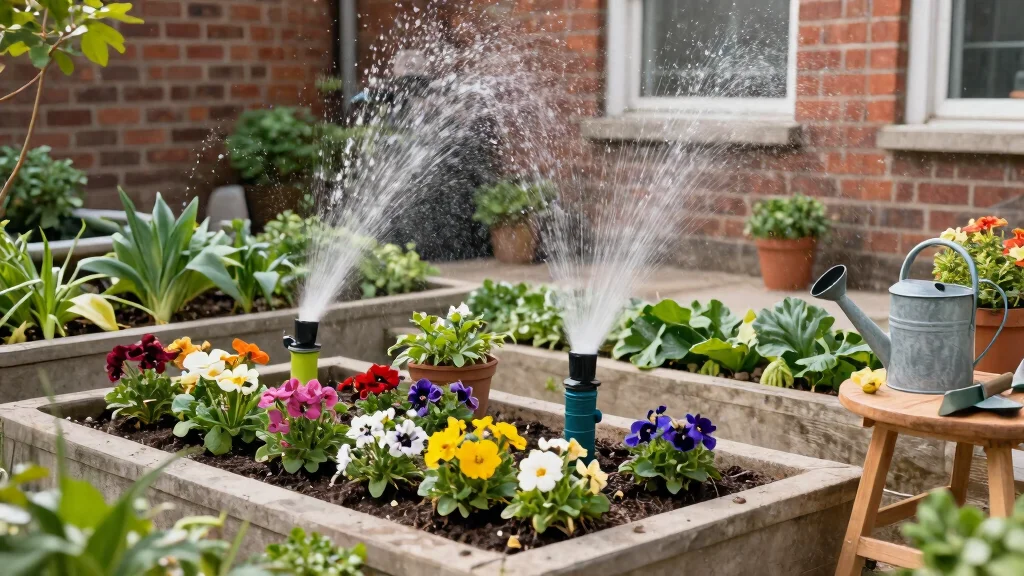
Gardening has me dreaming of lush green spaces and thriving plants right in my small urban backyard. If you’re a city dweller who loves tending to a garden but struggles with limited space, this post is for you. I pulled together 11 creative methods to grow a garden sprinkler system that will not only keep your plants hydrated but also make the most of your tiny area.
Urban gardeners often face the challenge of effective watering systems. With water restrictions or limited access to garden resources, finding the right DIY sprinkler solutions can feel overwhelming. But don’t worry! Whether you’re a novice or a seasoned gardener, these techniques are designed to be straightforward and practical. You’ll discover how to set up efficient garden watering systems, even if you’re working with a small space and a tight budget.
By the end of this post, you’ll have a toolkit of effective garden irrigation techniques that can transform your watering routine. From the classic hose sprinkler to smart systems that you can control from your phone, these methods will help you cultivate a flourishing garden without breaking the bank or requiring a lot of space. Get ready to dive into these 11 tried-and-true methods for growing a garden sprinkler system right where you are!
Key Takeaways
– Discover 11 unique methods to set up a garden sprinkler system tailored for small urban spaces, ensuring your plants stay hydrated.
– Learn about essential garden irrigation techniques that fit your budget and gardening style, making watering a breezy task.
– Explore DIY sprinkler solutions that can be built using everyday materials, perfect for those who love hands-on projects.
– Find practical tips for specific situations, like how to repurpose items you already have into effective watering systems.
– Understand the benefits of different sprinklers, including their efficiency, ease of use, and how they can improve the health of your plants.
1. The Classic Hose Sprinkler

The classic hose sprinkler is a must-have for any gardener wanting to keep their plants thriving. Its straightforward design ensures that water is evenly distributed across your garden, making it ideal for everyone, especially those in urban settings. Most gardeners already have a hose, so this method is both accessible and effective in maintaining healthy plants.
To get started, simply attach the sprinkler head to your hose, position it centrally in your garden, and turn it on. The rotating arms will provide thorough coverage, making it perfect for smaller to medium gardens.
Setup Tips:
– Place the sprinkler to maximize its reach across the garden.
– Modify the spray pattern according to your plants’ watering needs.
– Use a timer to automate the process, especially during hot weather.
Using a classic hose sprinkler is an economical way to keep your garden flourishing. It’s a dependable choice for any urban gardener looking to simplify their watering routine.
2. DIY PVC Pipe Sprinkler
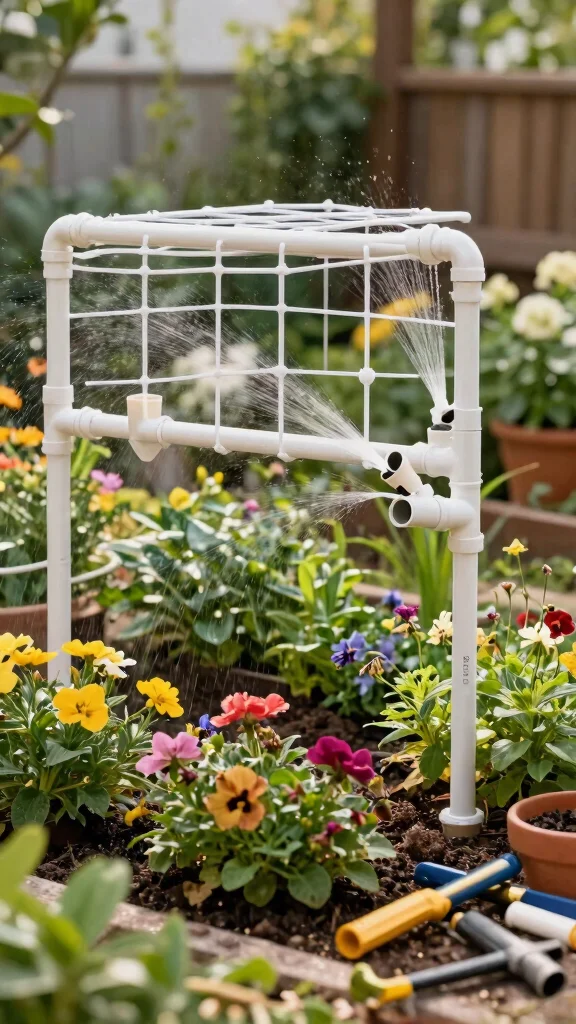
If you enjoy hands-on projects, creating a DIY PVC pipe sprinkler can be both fun and practical. This method lets you tailor the size and configuration of your irrigation system to fit your garden’s unique layout. Plus, it’s a great way to utilize affordable materials.
Begin by cutting PVC pipes into lengths of about 2-3 feet. Drill small holes along the sides to allow water to flow out, then connect the pieces using corner joints to form a grid over your plants. Attach it to a water source, and you’re ready to go!
Benefits:
– Tailor the size to match your garden design.
– Durable and can be reused for years.
– Ensures even watering, minimizing dry spots.
Creating a DIY PVC pipe sprinkler is a rewarding project that not only enhances your garden but also promotes effective watering.
Fun fact: with a DIY PVC pipe sprinkler, a 2–3 ft segment with evenly drilled holes can water a small urban bed in minutes, using less water than a lawn sprinkler. Pro tip: tailor hole spacing to your plants for steady, targeted growth.
3. The Rain Barrel Sprinkler
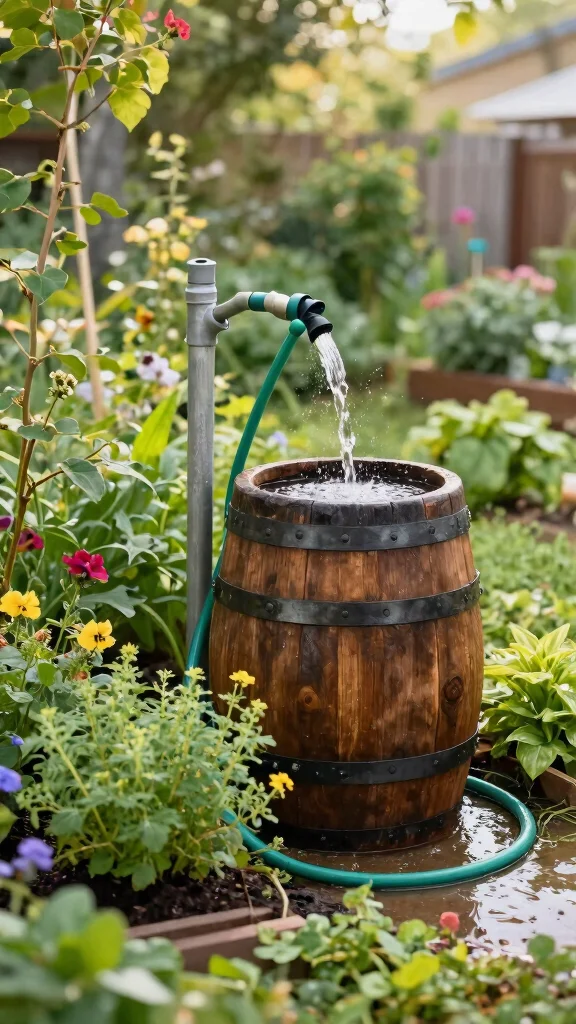
Using a rain barrel for watering is a sustainable way to keep your garden hydrated. This system captures rainwater from your roof, channeling it directly to your plants for natural irrigation. It’s a smart choice for those looking to conserve water while reducing their utility bills.
To set this up, position a rain barrel under a downspout. Connect a hose with a sprinkler head to the barrel, and when it rains, you’ll have a free water source for your plants. This method not only conserves resources but also provides a reliable watering solution.
Considerations:
– Cover the rain barrel to prevent mosquito breeding.
– Install a filter to keep debris out of the water.
– Attach a soaker hose for efficient moisture delivery.
The rain barrel sprinkler method is eco-friendly and allows you to utilize nature’s resources to nourish your urban garden.
4. Bottle Drip Irrigation System
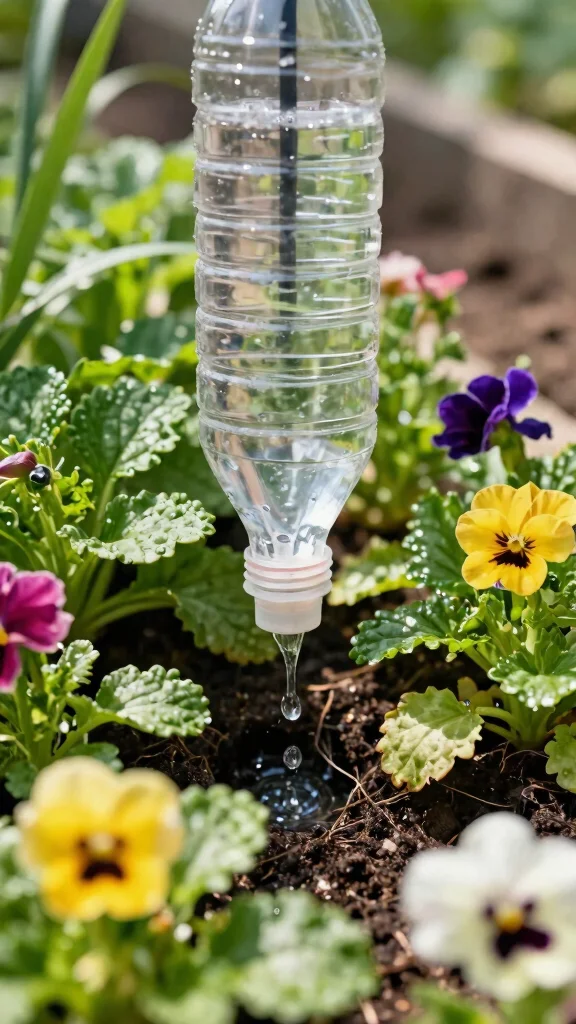
For a budget-friendly watering solution, a bottle drip irrigation system is simple and effective. This method uses plastic bottles to gradually release water directly into the soil, ensuring your plants get the moisture they need without waste.
To create this system, take an empty plastic bottle, remove the cap, and poke small holes in the bottom. Bury the bottle upside down close to your plant roots, leaving the neck exposed. Fill the bottle with water, and it will slowly provide hydration to your plants.
Advantages:
– Inexpensive and easy to set up.
– Reduces water evaporation.
– Perfect for keeping plants hydrated while you’re away.
The bottle drip irrigation system is a clever, cost-effective way to keep your garden thriving effortlessly.
Fun fact: a bottle drip irrigation system can cut water waste by up to 50% and keep roots evenly hydrated. For tiny spaces, it’s exactly the tip you need to grow a garden sprinkler method without overwatering. DIY, cheap, and surprisingly effective.
5. Soaker Hose Technique
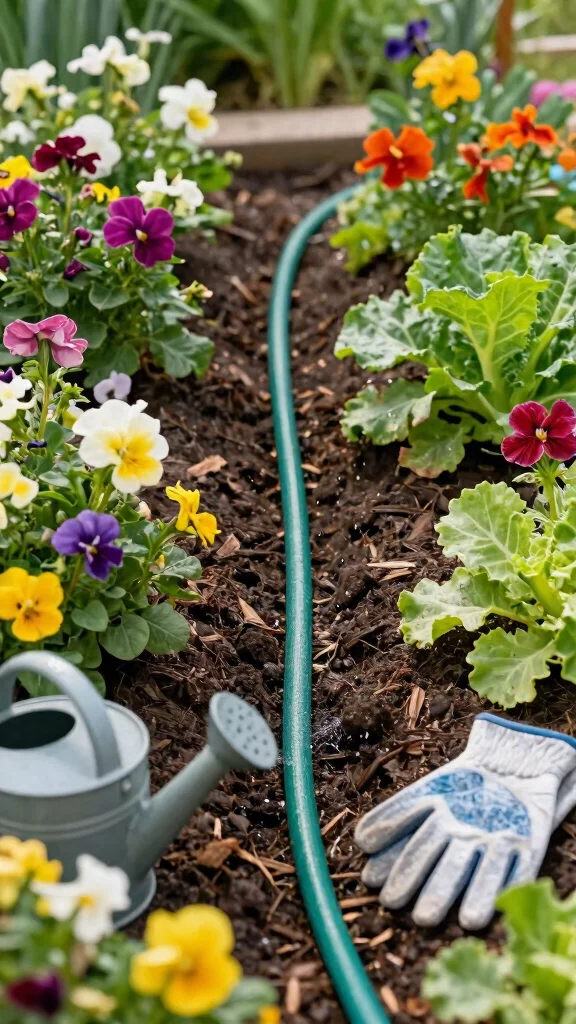
A soaker hose is an excellent option for delivering consistent moisture to your garden beds. This type of hose releases water along its length, ensuring deep irrigation without wasting resources.
Lay the soaker hose along your plants’ base, covering it slightly with mulch or soil. Turn on the water and allow it to run for a while, as it will evenly hydrate your plants’ roots. This method shines in vegetable gardens or flower beds where deep soil penetration is needed.
Why use a soaker hose?
– Minimizes evaporation and runoff.
– Saves time and water compared to traditional methods.
– Helps control weed growth by keeping the surface dry.
The soaker hose technique is a practical solution for urban gardeners looking for efficient irrigation methods.
6. Automatic Timed Sprinkler System
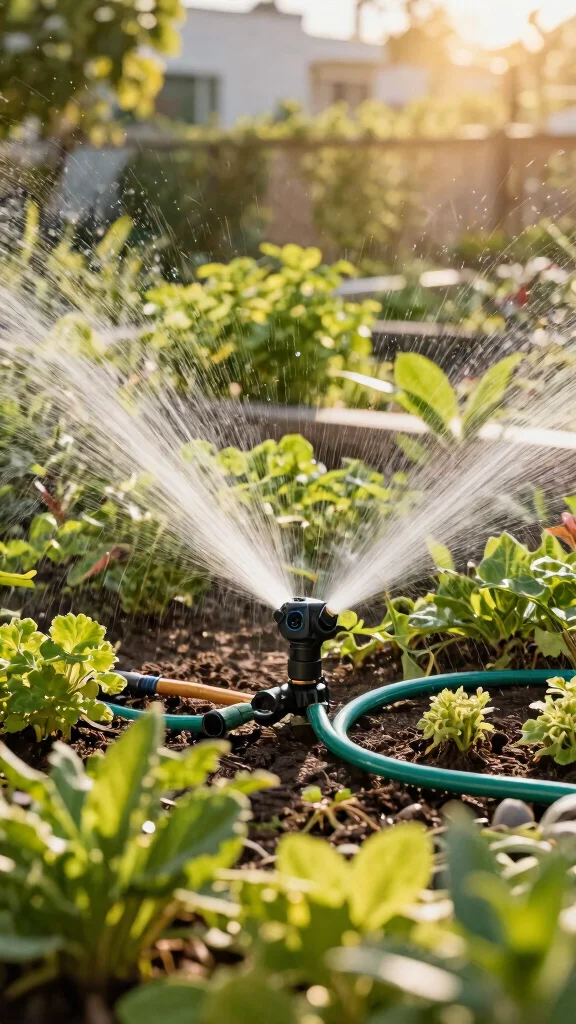
If you love the convenience of automation, a timed sprinkler system could be your best friend. This system allows you to set specific watering times and durations, ensuring your plants get the right amount of water without any manual effort.
Simply purchase an automatic timer that connects to your existing sprinkler or hose. You can program it based on your garden’s needs—daily, weekly, or according to weather conditions. This is particularly handy for busy urban gardeners who often forget to water.
Benefits:
– Saves time and effort with automation.
– Customize watering schedules for optimal plant health.
– Reduces the chance of over or under-watering.
A timed sprinkler system adds ease to your gardening routine, allowing you to enjoy your garden more!
Busy weeks mean missed watering—but a timed sprinkler system never lets that happen. Set it and forget it, then watch your plants thrive while you grow a garden sprinkler method in a compact urban space.
7. Under-Soil Irrigation

Under-soil irrigation is a highly efficient way to water your plants without wetting the surface soil. Perfect for urban gardeners, this technique ensures water reaches the roots directly, promoting healthy growth.
To set this up, bury perforated tubing beneath the soil, allowing water to seep directly into the root zone. This method not only conserves water but also encourages deep root development.
Key Points:
– Ideal for plants that dislike wet foliage.
– Conserves water by minimizing evaporation.
– Reduces weed growth as the surface remains dry.
Implementing under-soil irrigation can significantly enhance your garden’s health and water efficiency, especially in tighter spaces.
8. Using Recycled Sprinkler Heads
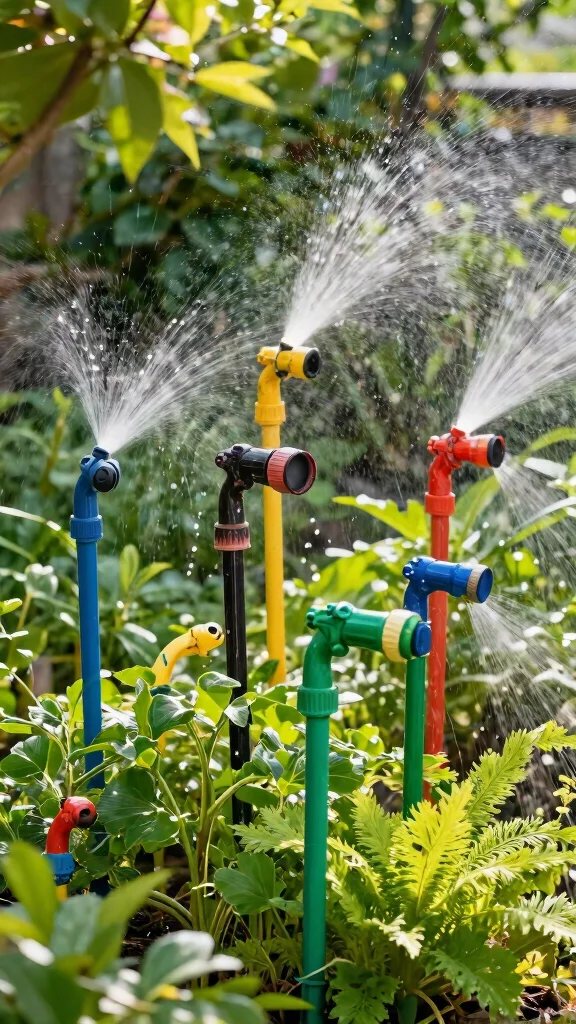
Incorporating recycled materials into your garden can be both creative and environmentally friendly. Repurposing old sprinkler heads is a fantastic way to create a unique watering system while reducing waste.
Gather various old sprinkler heads and attach them to garden stakes, placing them strategically throughout your garden for targeted watering. Adjust the height to suit the needs of your plants. This method adds character while ensuring efficient irrigation.
Advantages:
– Eco-friendly irrigation solution.
– Unique visual appeal with creative designs.
– Saves money by reusing materials.
Repurposing old sprinkler heads gives your garden a personal touch while facilitating effective watering.
9. Plant-Specific Sprinkler Solutions

Different plants have unique watering needs, which means a one-size-fits-all approach rarely works. Utilizing plant-specific sprinkler solutions allows for tailored watering that meets the specific requirements of each plant.
Consider using adjustable sprinkler heads to modify the spray pattern and distance according to each plant’s needs. For instance, delicate seedlings may require a gentle mist, while larger plants can handle a stronger spray. This targeted approach leads to healthier plants.
– Research plant types for optimal watering.
– Use varying sprinkler setups for different garden sections.
– Monitor plant responses to adjust watering as needed.
Adopting plant-specific sprinkler solutions enhances the health and vitality of your urban garden, ensuring every plant thrives!
Key Trade-offs & Our Top Pick
1. The Classic Hose Sprinkler
– Pros:
– Simple setup and easy to use.
– Affordable and widely available.
– Cons:
– Can be less efficient in watering specific areas.
– May require constant monitoring to avoid overwatering.
– Best for: Beginners or casual gardeners who want a straightforward, no-fuss option for small gardens.
2. DIY PVC Pipe Sprinkler
– Pros:
– Customizable to fit your garden layout.
– Durable and can last for years with proper care.
– Cons:
– Initial setup can be complex if you’re not handy.
– Requires tools and materials that may add to costs.
– Best for: Gardeners who enjoy DIY projects and want a unique watering solution tailored to their space.
3. Automatic Timed Sprinkler System
– Pros:
– Saves time with scheduled watering.
– Helps prevent water waste by targeting specific times.
– Cons:
– Higher upfront cost than manual systems.
– May require electrical setup which could complicate installation.
– Best for: Busy individuals who need a reliable way to maintain their garden without daily attention.
4. Soaker Hose Technique
– Pros:
– Delivers water directly to the roots, minimizing evaporation.
– Simple to install and can be hidden under mulch.
– Cons:
– Can clog if not maintained properly.
– Limited to areas where the hose can be laid out.
– Best for: Gardeners focusing on water conservation and looking for an easy, low-maintenance option.
5. Bottle Drip Irrigation System
– Pros:
– Repurposes plastic bottles, making it eco-friendly.
– Provides a slow, steady water supply directly to plants.
– Cons:
– Limited effectiveness for larger gardens.
– Requires frequent refilling, which can be tedious.
– Best for: Small urban gardens or container plants needing consistent moisture without high maintenance.
Expert Recommendation:
Best Overall: Automatic Timed Sprinkler System
This is our top pick because it combines convenience with smart technology. You can set it and forget it, allowing you to enjoy your garden without worrying about when to water. It’s a versatile choice that can adapt to various garden sizes and layouts. While it may cost more upfront, the long-term benefits of saved time and water make it a solid investment for any gardener.
Why We Picked This:
The Automatic Timed Sprinkler System stands out for busy gardeners. If you’re someone who enjoys hands-on gardening, the DIY PVC Pipe Sprinkler may appeal to you more. The Classic Hose Sprinkler is perfect if you’re just starting out. Meanwhile, the Soaker Hose Technique is ideal for those focused on eco-friendly watering solutions. Each option has unique perks, so choosing the right one depends on your gardening style and needs.
10. Gravity-Fed Sprinkler Systems
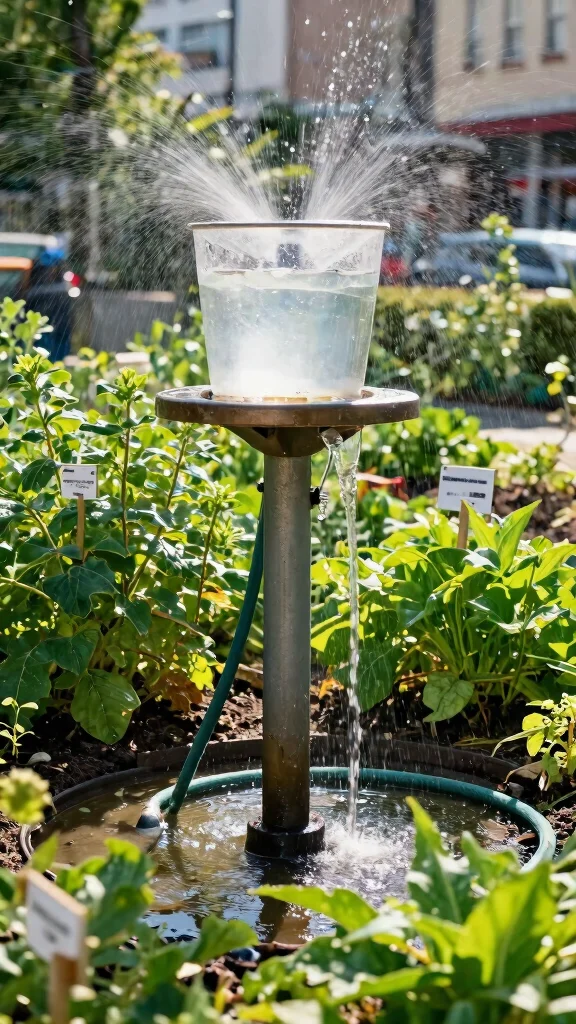
A gravity-fed sprinkler system is a budget-friendly option that uses gravity to deliver water to your garden efficiently. This method is particularly useful in urban settings with uneven terrain.
To set up, place a large container filled with water at a higher elevation than your garden beds. Connect a hose or tubing from this container to your plants, allowing gravity to do the work. This system is effective and low-tech, making it easy to manage.
Considerations:
– Ensure the water container is stable to prevent spills.
– Monitor the flow to avoid flooding.
– Best suited for gentle slopes.
Using a gravity-fed sprinkler system simplifies watering while embracing an efficient, low-tech solution for your urban garden.
11. The Smart Sprinkler System
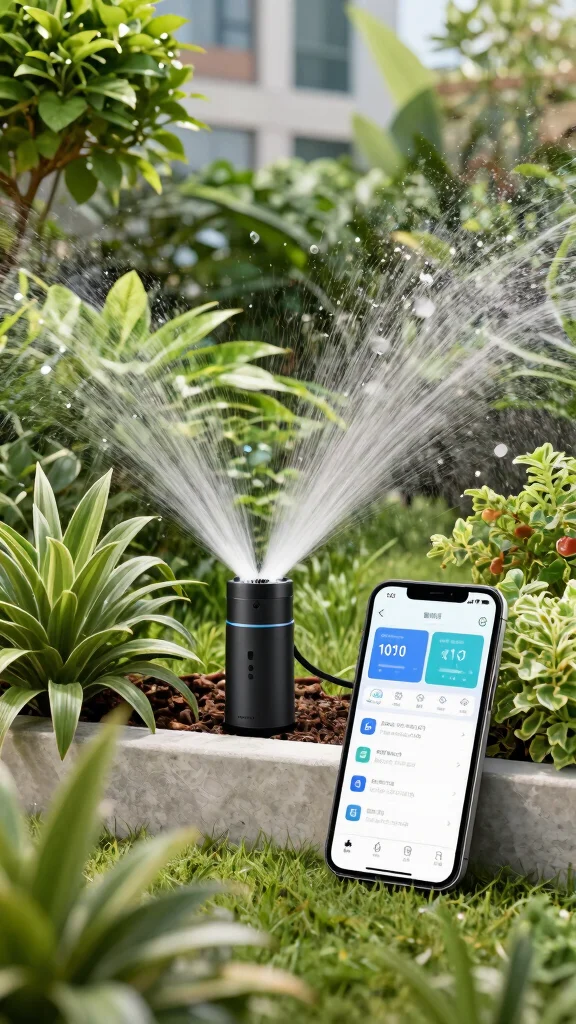
For the tech-savvy urban gardener, a smart sprinkler system can elevate your watering routine. These advanced systems connect to your smartphone, allowing you to control watering schedules from anywhere.
Smart sprinklers adapt to local weather conditions, providing the right amount of water for your plants. Many include moisture sensors to prevent over-watering, ensuring your plants remain healthy and hydrated.
Benefits:
– Ideal for busy lifestyles with remote control capabilities.
– Environmentally friendly, adjusting to weather changes.
– Promotes healthier plants through precise watering.
Investing in a smart sprinkler system is a forward-thinking choice for urban gardeners who want to blend technology with nature!
Conclusion
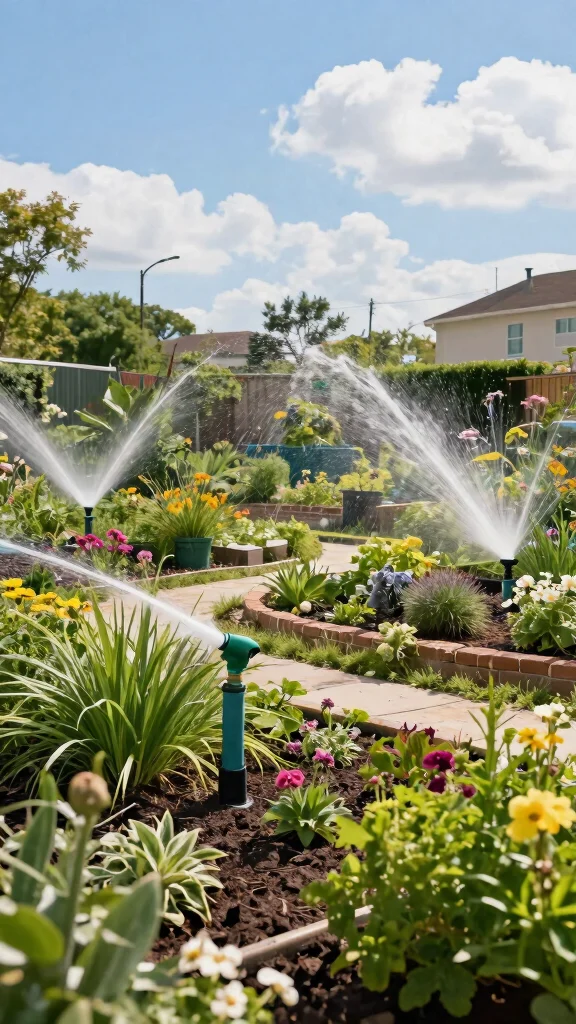
Navigating the world of garden sprinklers doesn’t have to be complicated, especially in a small urban setting. Each method discussed has its unique benefits, catering to diverse planting needs and personal preferences.
Opt for the one that resonates with your gardening style and remember that a well-watered garden is a happy garden! Share your own experiences with the grow a garden sprinkler method that works best for you, and bring your urban garden to life in the most efficient way!
Note: We aim to provide accurate product links, but some may occasionally expire or become unavailable. If this happens, please search directly on Amazon for the product or a suitable alternative.
This post contains Amazon affiliate links, meaning we may earn a small commission if you purchase through our links, at no extra cost to you.
Frequently Asked Questions
What is the best DIY sprinkler method for a small urban garden?
Small urban gardens need smart choices. If you’re exploring how to grow a garden sprinkler method in a tight space, consider these options: Soaker hoses for beds, Drip irrigation with emitters for containers, Micro-sprinklers for mixed beds, and a Compact oscillating sprinkler for lawn gaps.
Steps to implement: 1) Map your space into zones based on sun and plant water needs. 2) Pick one core method per zone to avoid overwatering. 3) Gather components: timer, regulator, hose, tubing, emitters or sprinklers, connectors, and end caps. 4) Test and adjust: run a short cycle, observe moisture levels, tweak emitter spacing.
Tip: Use garden irrigation techniques and efficient garden watering philosophies to minimize waste. For small spaces, a well-planned setup is often better than a big system.
How can I design an efficient watering system for limited space?
Designing an efficient watering system for limited space starts with zoning by plant needs, then choosing compact hardware. Try this practical approach:
1) Create zones based on sun exposure and water requirements. 2) Pick a core method for each zone (drip for containers and raised beds, micro-sprinklers for mixed plantings). 3) Size your tubing correctly and install a pressure regulator and filter to keep emitters clog-free. 4) Add a timer or smart controller to automate cycles. 5) Mulch generously to cut evaporation and simplify scheduling.
Using these steps aligns with garden irrigation techniques and efficient garden watering practices, delivering even moisture without waste.
What tools and materials do I need to start a DIY sprinkler setup?
Tools and materials to start a DIY sprinkler setup? You’ll need a mix of components and a few handy tools:
Materials: timer or smart controller, garden hose, poly tubing, drip emitters or micro-sprinklers, T-fittings and elbows, hose clamps, a pressure regulator, a filter, and backflow prevention if required by code.
Tools: utility knife or tubing cutter, adjustable wrench, punch tool for drip tubing, tape measure. Optional extras: rain sensor or quick-connect hose fittings.
With these, you’ll have solid DIY sprinkler solutions for any small garden.
How do I ensure even coverage and avoid overwatering in a small garden?
To ensure even coverage and avoid overwatering in a small garden:
1) Divide your space into zones by plant type and sun exposure. 2) Space emitters or sprinklers evenly within each zone and test with a short cycle. 3) Use timers to create short, frequent irrigation windows rather than long sessions. 4) Check soil moisture before and after watering and adjust as needed. 5) Mulch to reduce evaporation and improve uniform moisture.
This approach embodies effective watering systems and garden irrigation techniques designed for small spaces and precise control.
Can I retrofit an existing hose into a sprinkler system without professional help?
Yes—retrofitting a hose into a sprinkler system is doable without a pro. Start with a simple plan:
1) Check your hose pressure and confirm you can run a regulator inline. 2) Measure your space and lay out where emitters or a compact sprinkler will go. 3) Attach a quick-connect fitting to connect your hose to the irrigation line, then install a regulator and emitter distribution. 4) Install a backflow preventer if your area requires it and add a timer to automate cycles. 5) Test, adjust spacing, and seal any leaks.
With careful setup you’re tapping into DIY sprinkler solutions that work great in small urban spaces.
Related Topics
garden irrigation
DIY sprinkler systems
urban gardening
efficient watering
small space solutions
beginner friendly
easy setup
water conservation
homemade sprinklers
effective watering methods
sustainable gardening
sprinkler tips