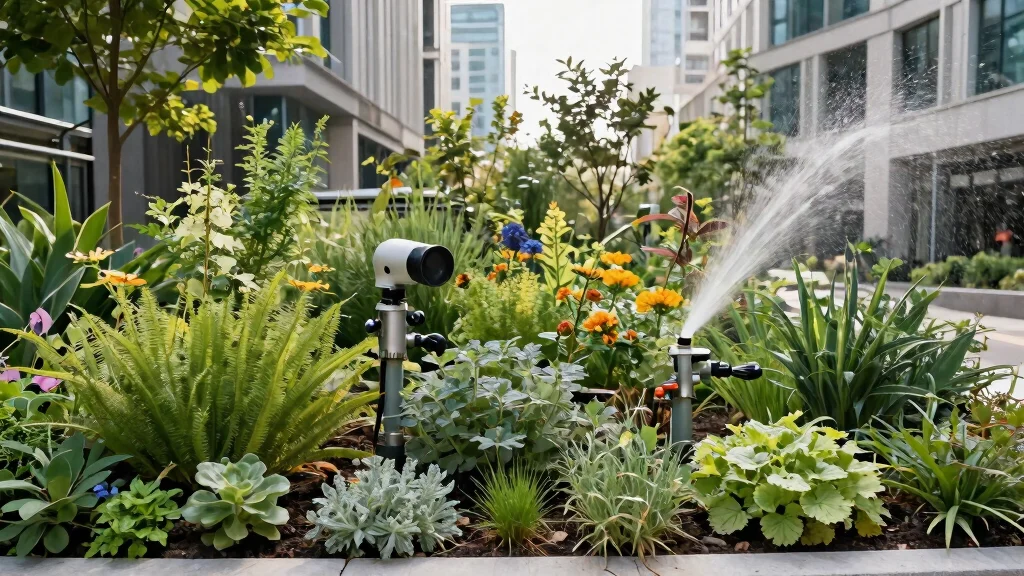
Urban gardening spaces are becoming more popular as people seek to grow their food and beautify their surroundings. However, with the joys of gardening come risks, especially fire hazards. This post aims to address those concerns by breaking down 14 essential fire sprinkler concepts that can enhance safety in urban gardening. Understanding these systems is vital for anyone who has cultivated a green space in the city.
If you’re an urban gardener or interested in creating a safe gardening environment, this guide is for you. You care about your plants and your space, and you want to ensure that they stay protected. Whether you’re just getting started or you’ve been growing plants for years, knowing how to incorporate fire sprinklers can help you maintain the beauty and safety of your garden.
In this post, I’ve gathered 14 practical ideas that cover everything from smart irrigation to community safety solutions. These concepts are not only effective but also easy to implement. By the end of this article, you will have a comprehensive toolkit to safeguard your garden against fire risks while keeping your plants thriving. Let’s get started!
Key Takeaways
– Understanding fire sprinklers can significantly improve fire safety in urban gardens by protecting plants and structures from potential hazards.
– Implementing smart irrigation systems can enhance both garden protection and water conservation, making your gardening efforts more sustainable.
– Utilizing fire-resistant materials in your garden design can further reduce risks and provide peace of mind as you cultivate your green space.
– Regular fire sprinkler maintenance is essential to ensure that your systems function correctly and remain ready to protect your garden when needed.
– Partnering with your local fire department can provide valuable insights and resources to improve safety measures in community gardening initiatives.
1. Smart Irrigation Sprinklers
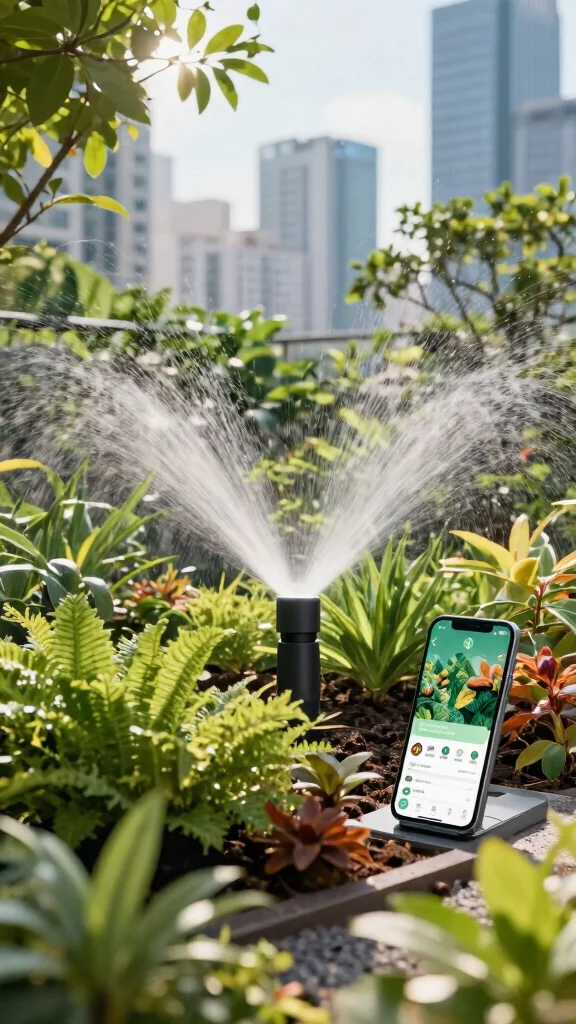
Urban gardeners, let’s talk about smart irrigation sprinklers. These systems not only care for your plants but also actively monitor weather conditions to optimize water usage. By using moisture sensors and data from weather forecasts, they prevent over-watering and help keep your garden safe from fire hazards caused by dry vegetation.
With smart sprinklers, you can set watering schedules that adapt to changing temperatures and humidity levels, ensuring your plants thrive. This technology not only saves water but also promotes the health of your garden, making it a smart choice for eco-conscious gardeners.
Key benefits of smart irrigation sprinklers:
– Reduce water waste for eco-friendly gardening.
– Maintain ideal soil moisture, lowering fire risk.
– Control from mobile apps for convenience.
– Enhance plant growth and overall garden vitality.
By embracing smart irrigation, you can cultivate a flourishing garden while staying prepared for fire emergencies.
2. Decorative Fire Sprinklers
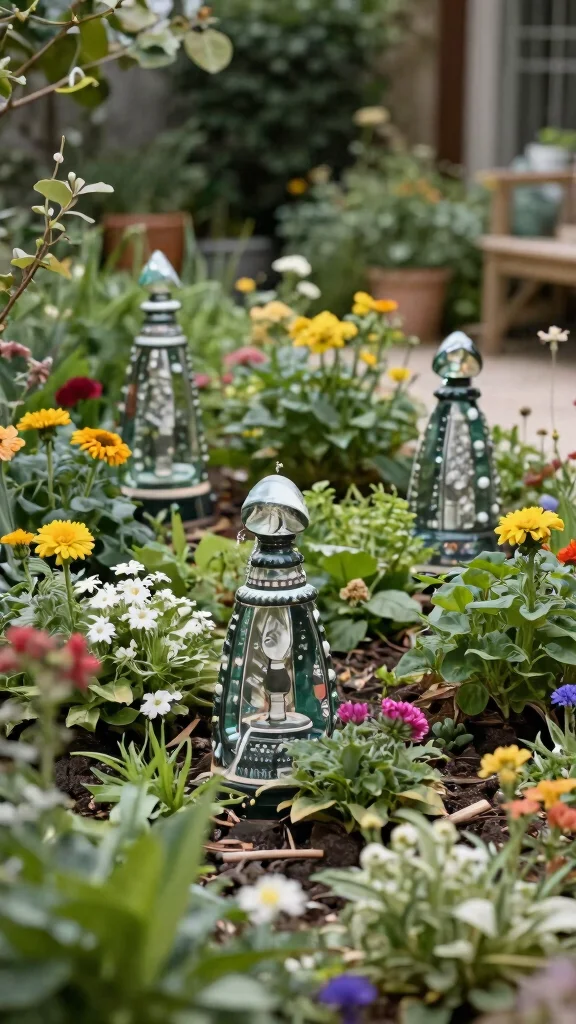
Say goodbye to unattractive fire sprinklers cluttering your beautiful garden! Decorative fire sprinklers blend seamlessly into your outdoor space, turning essential safety devices into artistic features. These innovative designs can look like garden sculptures or even flower pots, adding charm while ensuring fire protection.
Imagine sprinklers that enhance your garden’s aesthetics while providing peace of mind. Available in various styles and colors, they fit perfectly with any garden decor, even in compact urban settings where every detail matters.
Here’s why decorative fire sprinklers are a must-have:
– Elevate your garden’s beauty without sacrificing safety.
– Serve dual purposes as art and fire protection.
– Available in multiple styles to match your decor.
– Perfect for small spaces where aesthetics count.
With decorative fire sprinklers, you can prioritize safety without compromising on visual appeal in your garden.
Fun fact: decorative fire sprinklers can look like garden sculptures or flower pots, yet still provide reliable protection. In urban gardens, 3 popular finishes—metal, ceramic, and enamel—blend with greenery while staying code-compliant.
3. Vertical Garden Sprinklers
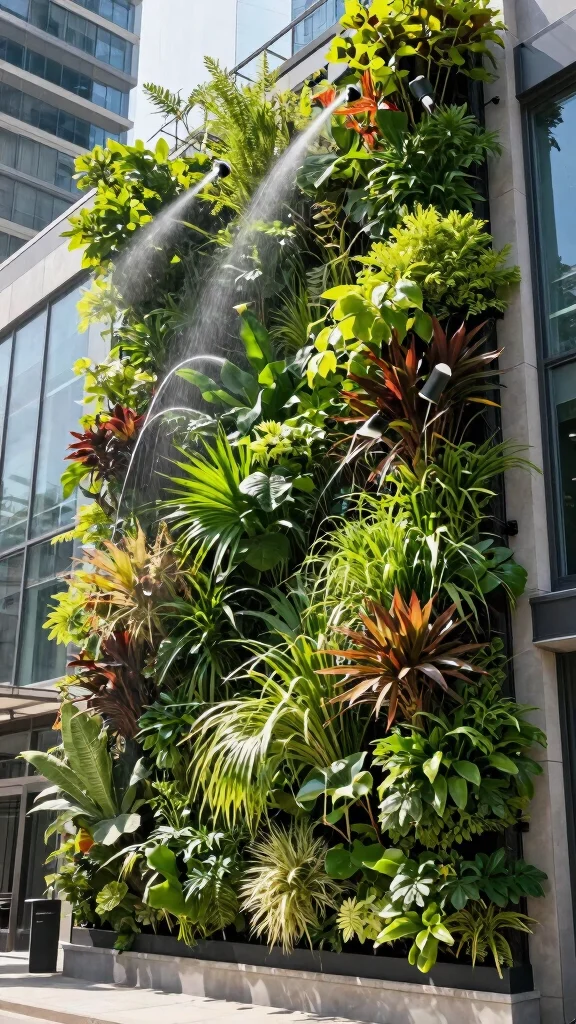
Limited space in urban environments? Vertical gardening is your answer! Vertical garden sprinklers are specially crafted for these installations, ensuring that every plant receives the water it needs while also prioritizing fire safety. These innovative systems can be mounted on walls or as freestanding units, allowing for creative plant arrangements.
With a vertical design, you promote healthier plants that are less likely to dry out, reducing fire hazards significantly. This approach not only saves space but also enhances your garden’s safety.
Key features of vertical garden sprinklers:
– Deliver water efficiently for vertical growth.
– Save space, ideal for urban settings.
– Encourage healthier plants, minimizing fire risk.
– Showcase unique plant arrangements in compact areas.
By implementing vertical garden sprinklers, you maximize your gardening potential while keeping fire safety top of mind.
❝ Did you know vertical garden sprinklers can cover 2x more plants in the same wall space while using 40% less water, boosting fire sprinklers’ safety in tight urban spaces? In compact setups, vertical garden sprinklers promote healthier plants and dramatically reduce fire hazards. ❞
4. Fire-Resistant Materials
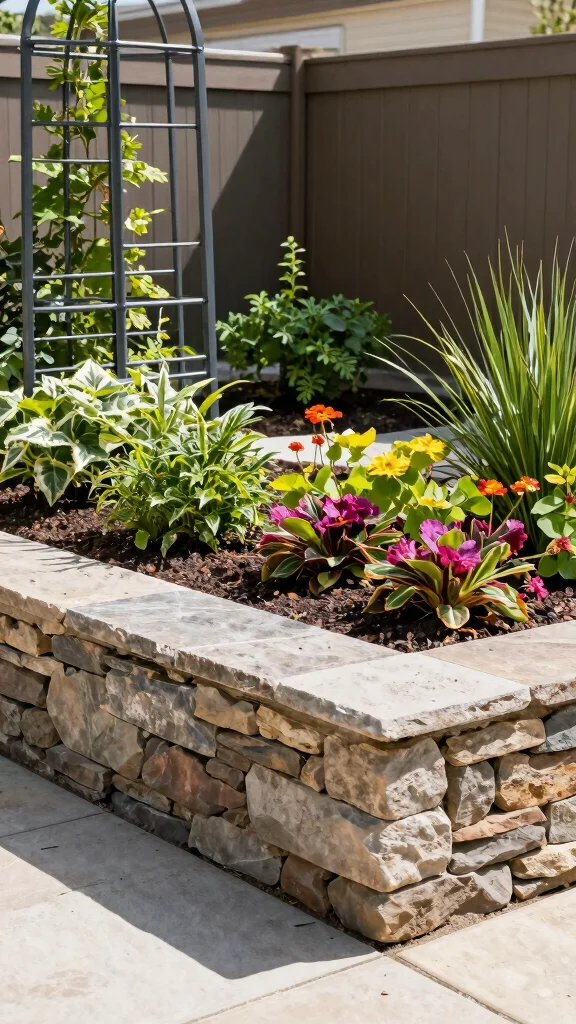
Boosting fire safety in your garden starts with using fire-resistant materials. Non-combustible materials for raised beds, trellises, or fencing protect your plants and create barriers against the spread of fire in urban areas. Choosing the right materials can make a significant difference in safeguarding your garden.
Opt for garden furniture made from metal, stone, or treated wood, which can withstand heat and reduce the risk of fires. Along with traditional fire sprinklers, these materials provide an effective defense system against fire threats.
Here are some guidelines for using fire-resistant materials:
– Use metals or stones for permanent garden structures.
– Choose materials that complement your garden’s design.
– Regularly check and maintain materials for safety.
– Combine with sprinklers for enhanced fire protection.
Being proactive with fire-resistant materials helps create a beautiful garden that’s also secure.
5. Integrated Sensor Technology
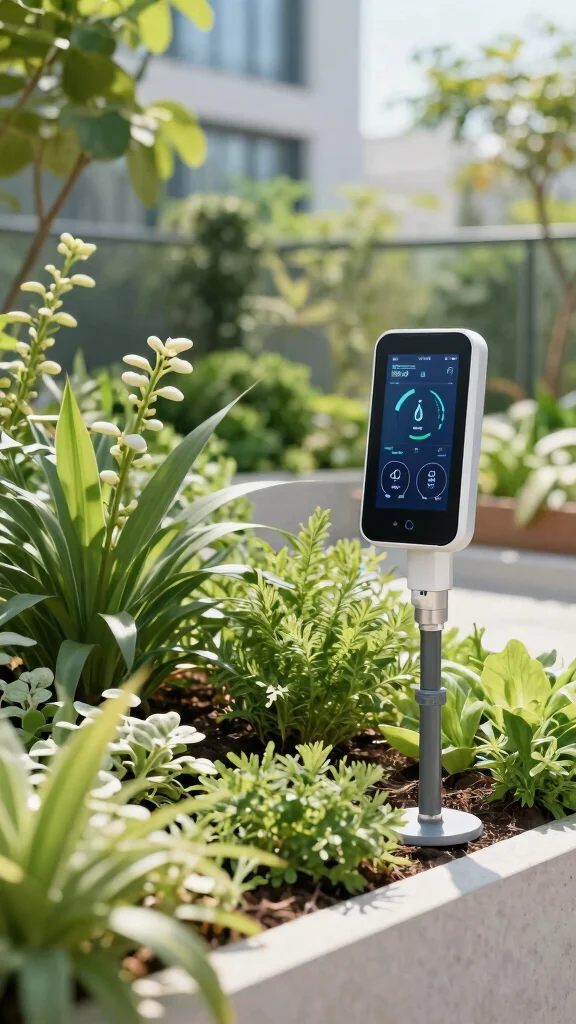
Enhance fire safety in your garden with fire sprinkler systems that feature integrated sensor technology. These advanced systems detect changes in temperature and moisture, providing quick alerts in case of emergencies. Imagine a sprinkler that automatically activates when it senses a fire risk, protecting both your plants and property.
As a gardener, adopting this technology means you can cultivate your greens with peace of mind. The system’s ability to monitor conditions in real-time ensures that you’re always prepared for potential hazards.
Key features of sensor-equipped systems:
– Monitor garden conditions for early fire detection.
– Activate sprinklers automatically to limit damage.
– Receive mobile alerts for quick responses.
– Integrate with home safety systems for added protection.
By implementing integrated sensor technology, you can secure your garden with cutting-edge solutions.
6. Eco-Friendly Fire Sprinklers
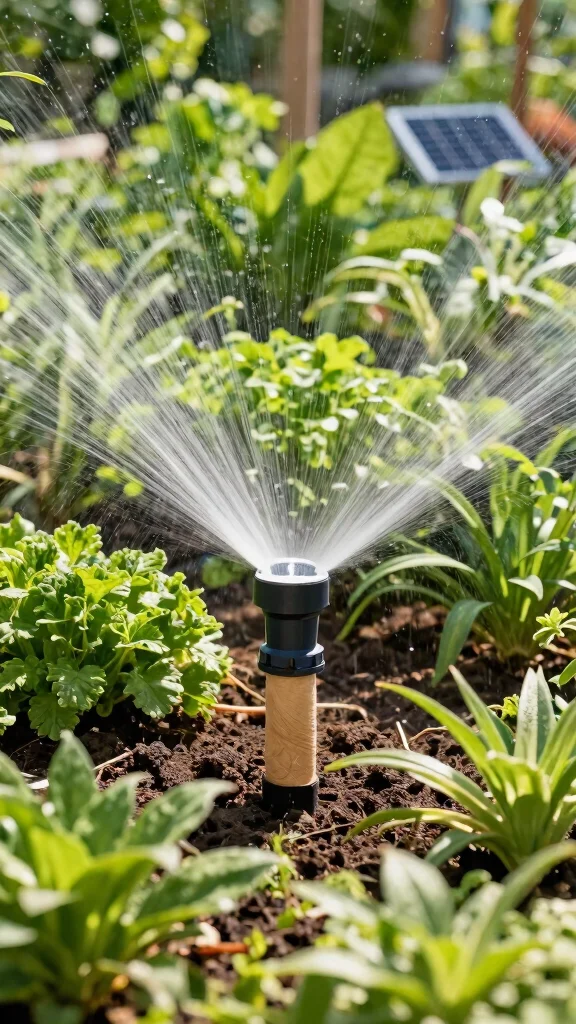
Sustainability is key for urban gardeners, and eco-friendly fire sprinklers offer the perfect solution. Made from renewable materials and powered by green energy sources, these sprinklers support environmentally friendly gardening practices. You’ll not only protect your garden but also contribute positively to the planet.
Using solar-powered systems reduces energy costs over time while ensuring you have the resources needed during fire emergencies. Eco-friendly sprinklers make it easy to care for your garden sustainably.
Consider these benefits of eco-friendly fire sprinklers:
– Lower carbon footprint through sustainable options.
– Biodegradable components that help the environment.
– Save money on water and energy bills.
– Support the ecosystem’s health in urban areas.
Choosing eco-friendly fire sprinklers allows you to maintain your green space while respecting the environment.
Ongoing Maintenance & Care Guide
Maintenance Schedule:
Daily/Weekly Tasks:
– Check the water pressure in your fire sprinkler system. Aim for 30 minutes each week to ensure proper function. 💧
– Inspect sprinkler heads for any blockage or dirt. Spend about 15 minutes to clean them as needed. 🧼
– Ensure that garden plants are not obstructing sprinkler paths. This should take about 10 minutes. 🌱
Monthly/Seasonal Tasks:
– Test the sprinkler system to ensure all heads activate correctly. This may take an hour, but it’s vital for fire safety. 🔍
– Examine the control valves for leaks or damage. Allocate 30 minutes for a thorough inspection. ⚙️
– Flush the system to clear out any debris. This should be done at least once every season and might take 2 hours. 🚿
– Review your fire safety plan for your garden area. Dedicate about 20 minutes to update any necessary information. 📋
– Clean and check your rainwater harvesting system if applicable. Set aside an hour to ensure it operates efficiently. 🌧️
Maintenance Summary Table:
| Task | Frequency | Difficulty | Time Needed |
|—————————–|—————–|————|————–|
| Water pressure check | Weekly | Easy | 30 minutes |
| Sprinkler head inspection | Weekly | Easy | 15 minutes |
| Obstruction checks | Weekly | Easy | 10 minutes |
| System testing | Monthly | Moderate | 1 hour |
| Valve inspection | Monthly | Moderate | 30 minutes |
| System flushing | Seasonal | Moderate | 2 hours |
| Fire safety plan review | Monthly | Easy | 20 minutes |
| Rainwater system check | Seasonal | Moderate | 1 hour |
Common Issues to Watch For:
⚠️ Blocked sprinkler heads: Check if debris or plants are obstructing the water flow. This can prevent effective fire suppression. 🌿
⚠️ Low water pressure: If the pressure drops, it may indicate a leak or malfunction. Regular checks will help catch this early. 🔴
⚠️ Unusual noises from the system: Strange sounds may suggest mechanical issues. Investigate immediately to prevent potential failures. 🔊
⚠️ Visible leaks around valves: Water pooling around valves indicates a problem. Fix leaks quickly to ensure your system works when needed. 💧
⚠️ Inactive sprinkler heads: If some heads don’t activate during tests, you may need to clean or replace them. Don’t ignore this warning—it’s essential for safety! 🚨
Care Tips:
💡 Regularly prune nearby plants: Keep vegetation trimmed to prevent obstruction. This allows sprinklers to work effectively and keeps your garden neat. ✂️
💡 Use mulch wisely: Mulch can help retain soil moisture and prevent overexposure of sprinkler heads to dirt. Just ensure it doesn’t block water flow. 🌾
💡 Invest in smart technology: Smart irrigation systems help monitor water use and adjust settings based on weather. This not only protects your garden but also enhances fire safety. 📱
💡 Educate yourself and others: Knowledge about fire safety in urban gardens is crucial. Participate in workshops or local fire safety programs. Learning keeps everyone safe! 📚
💡 Create clear access paths: Ensure that all sprinkler heads are easily accessible for maintenance. This saves time and helps you respond faster in emergencies. 🚪
By following this guide, you can maintain your fire sprinkler system effectively while ensuring your urban garden remains protected. Regular checks and proactive care not only extend the lifespan of your system but also enhance safety for your home and garden.
7. Rainwater Harvesting Sprinkler Systems
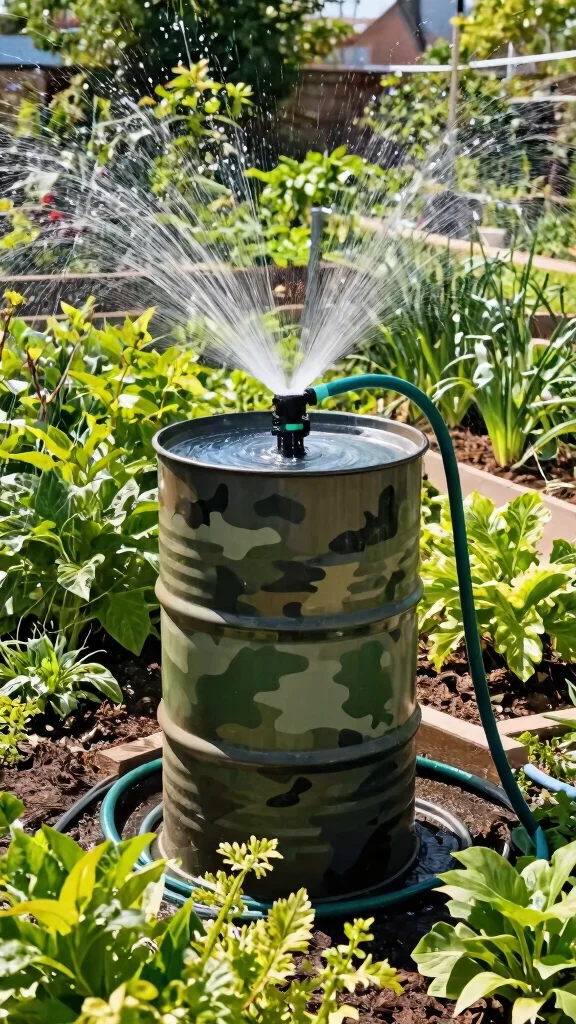
Combine fire safety with water conservation using rainwater harvesting sprinkler systems. These systems collect rainwater for irrigation and can work alongside fire sprinklers to ensure essential water is available during emergencies. Utilizing rainwater not only reduces reliance on city water but also ensures your plants stay hydrated.
This sustainable approach fosters a healthy garden while preparing you for potential fire incidents. It’s a win-win for both your plants and the environment.
Key aspects of rainwater harvesting systems:
– Effective collection systems for rainwater.
– Promote drought resilience through efficient watering.
– Provide fire protection with stored water.
– Cut down on water costs and environmental strain.
By implementing rainwater harvesting, you can achieve sustainability and safety in your gardening practices.
8. Community Garden Safety Solutions
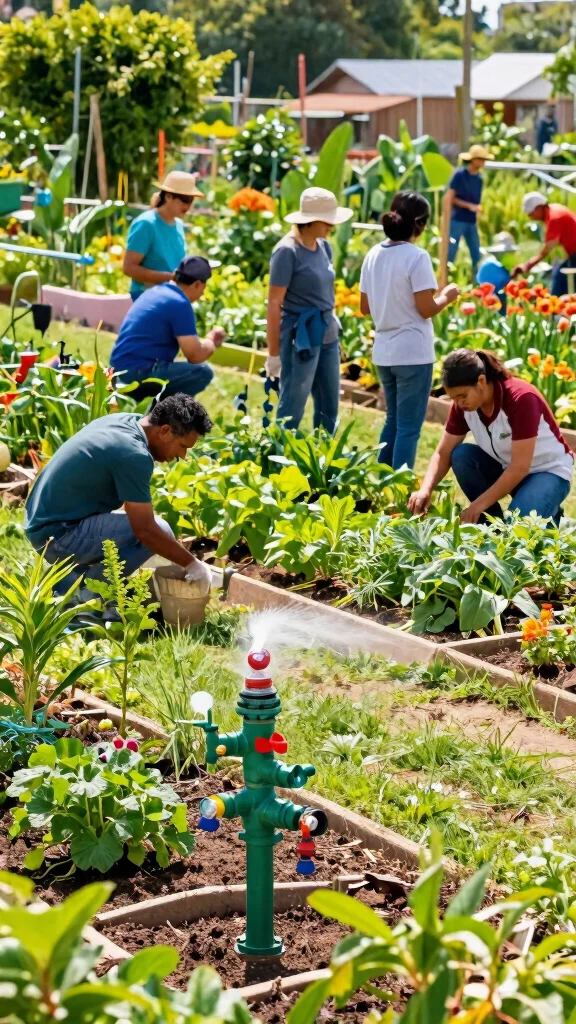
Community gardens can be vibrant spaces for growth, but they also pose unique safety challenges. Implementing fire sprinkler systems in these shared areas is crucial to protect both the garden and its members. Establishing community fire safety plans ensures everyone knows how to respond in emergencies, fostering a sense of responsibility.
Providing strong fire sprinkler systems allows communities to collaborate effectively, keeping gardens safe and thriving. This communal effort is vital for the well-being of everyone involved.
Here are some strategies for community garden safety:
– Create a fire safety plan that includes sprinklers.
– Educate members about fire risks and prevention.
– Inspect and maintain systems as a team.
– Encourage active participation in garden safety.
Working together to prioritize fire safety creates a supportive environment for all community gardeners.
9. Fire Sprinkler Maintenance Tips
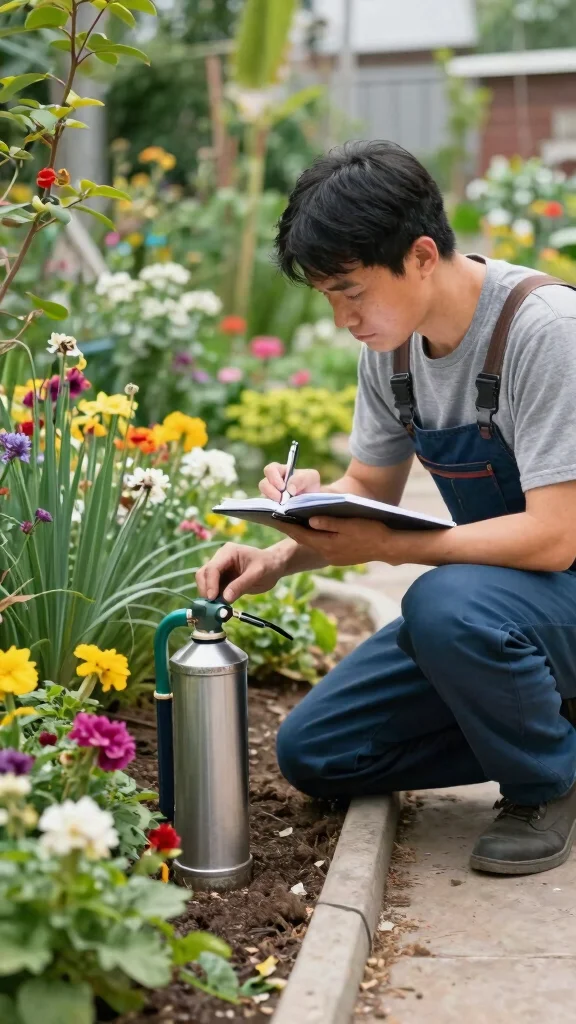
Even the best fire sprinkler systems require regular maintenance to function effectively. For urban gardeners, knowing how to care for these systems is essential for ensuring long-term safety. Simple tasks like checking for clogs and ensuring proper pressure can make a significant difference in performance.
Keeping a maintenance log helps you track the system’s condition and identify areas needing attention. Regular care ensures that your fire safety measures remain reliable.
Here are some essential maintenance tips:
– Schedule inspections at least twice a year.
– Clean nozzles and filters to avoid blockages.
– Check that water pressure is within safe levels.
– Replace damaged parts promptly to maintain function.
By regularly maintaining your fire sprinkler systems, you can enjoy peace of mind while nurturing your garden.
10. Fire Safety Education for Gardeners
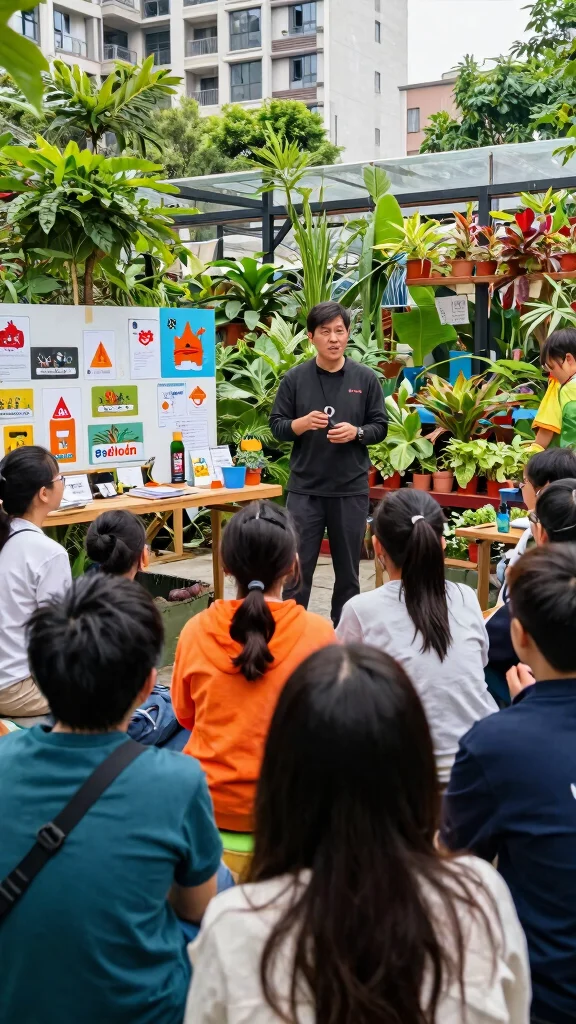
Knowledge about fire safety can significantly impact urban gardening. Educating yourself and your gardening community about fire risks and response strategies can make all the difference during emergencies. Consider hosting workshops or creating informative handouts to share valuable information on fire prevention and sprinkler usage.
Engaging with local fire departments can enhance your educational initiatives, providing expert advice for your community. This knowledge empowers everyone to act effectively in case of fire incidents.
Here are some educational approaches to consider:
– Host fire safety workshops for gardeners.
– Develop materials covering essential fire safety principles.
– Partner with fire safety professionals for demonstrations.
– Foster a culture of awareness in the gardening community.
Empowering gardeners with safety knowledge creates a secure environment for all, ensuring the success of urban green spaces.
Did you know quick fire safety education can cut sprinkler response times in urban gardens by up to 40%? Hosting short workshops and sharing simple handouts helps gardeners act fast, protect crops, and ensure fire sprinklers work when they’re needed.
11. Adaptable Fire Sprinkler Systems
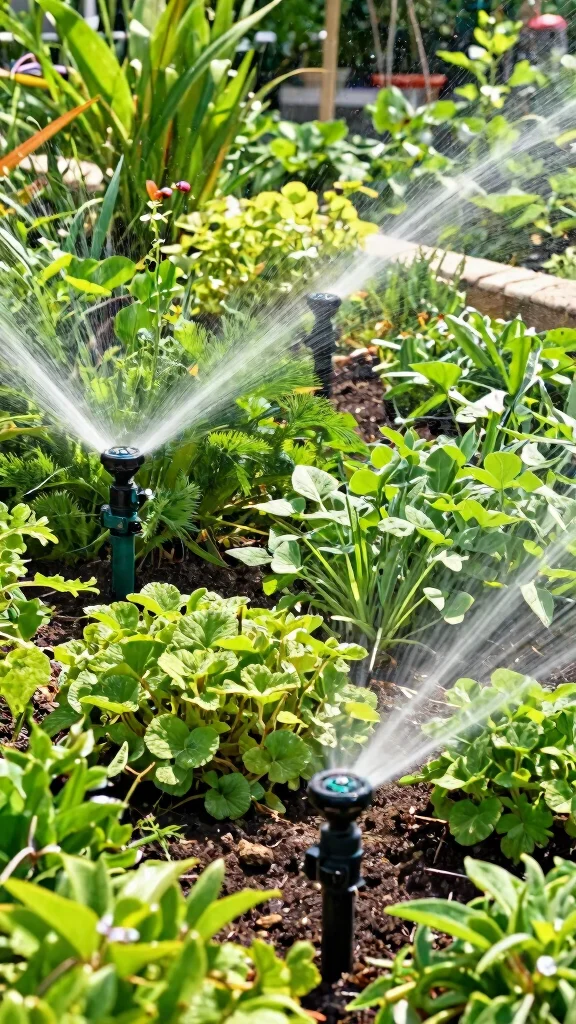
Urban gardening often includes diverse plants and layouts, making adaptable fire sprinkler systems highly valuable. These customizable systems ensure that each plant receives the necessary water while maintaining fire safety. With adaptable sprinklers, you can adjust the heads to fit the specific needs of different garden sections.
This flexibility allows for targeted watering and fire protection, promoting healthier plants and more efficient water usage. It’s a great way to enhance your gardening experience.
Look for these features in adaptable systems:
– Adjustable sprinkler heads for various plant types.
– Compatibility with drip irrigation for precision.
– Easy installation and maintenance.
– Options for retrofitting older systems.
Investing in adaptable fire sprinkler systems means creating thriving, safe spaces tailored to your gardening style.
12. Smart Home Integration
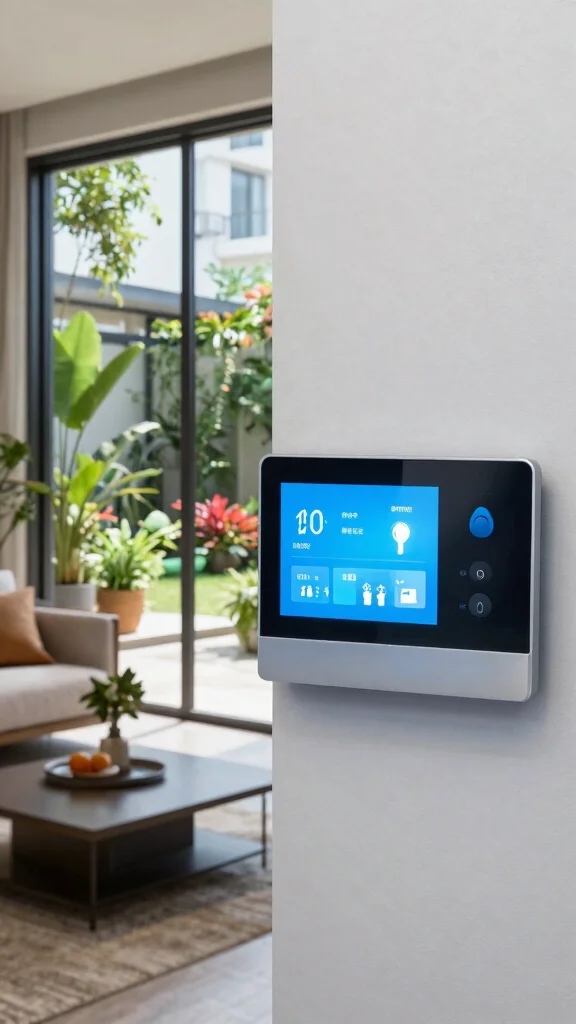
Integrating fire sprinkler systems with smart home technology can revolutionize your gardening experience. Imagine controlling your fire safety and irrigation needs from one app, giving you seamless access to your garden’s systems. Smart home integration enhances safety by allowing remote monitoring, so you can act quickly in emergencies.
These systems also alert you when maintenance is required, ensuring optimal performance. This tech-savvy approach simplifies your gardening tasks and provides peace of mind.
Benefits of smart home integration include:
– Remote access and control of fire systems.
– Notifications for maintenance or irregularities.
– Data tracking for better garden management.
– Increased peace of mind for busy gardeners.
Embracing smart technology transforms fire safety in urban gardening, making it easier and more efficient for everyone.
13. Local Regulations and Compliance

It’s crucial for urban gardeners to stay informed about local fire safety regulations. Understanding these laws ensures that your fire sprinkler systems meet safety standards and adequately protect your garden. Researching local codes and consulting experts can help you navigate these requirements effectively.
Following regulations not only safeguards your property but also contributes to your community’s overall safety. Being proactive in compliance fosters a culture of responsibility among gardeners.
Key steps for ensuring compliance:
– Review local fire safety regulations relevant to gardening.
– Consult professionals for compliance advice.
– Keep records of inspections and maintenance.
– Share knowledge and best practices with the community.
Staying informed about regulations protects your garden and promotes safety within urban gardening communities.
14. Local Fire Department Partnerships
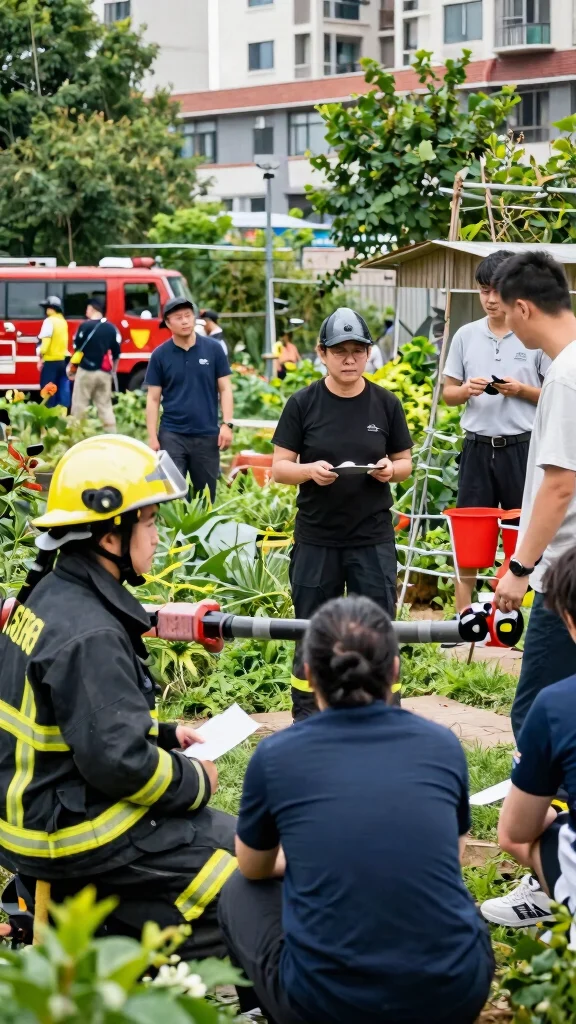
Building strong relationships with your local fire department can greatly enhance fire safety in urban gardens. Firefighters can offer valuable resources, support, and information to help develop effective safety practices. Partnering with them can lead to community workshops and collaborative emergency response strategies.
This partnership not only benefits your garden but also strengthens community bonds, creating a safer environment for everyone involved.
Ways to engage with local fire departments include:
– Organize safety assessments for your garden.
– Invite firefighters to conduct fire prevention workshops.
– Collaborate on community fire safety initiatives.
– Maintain open communication for ongoing support.
Establishing connections with local fire departments fosters a safer space for all urban gardeners and enhances collective fire safety efforts.
Conclusion
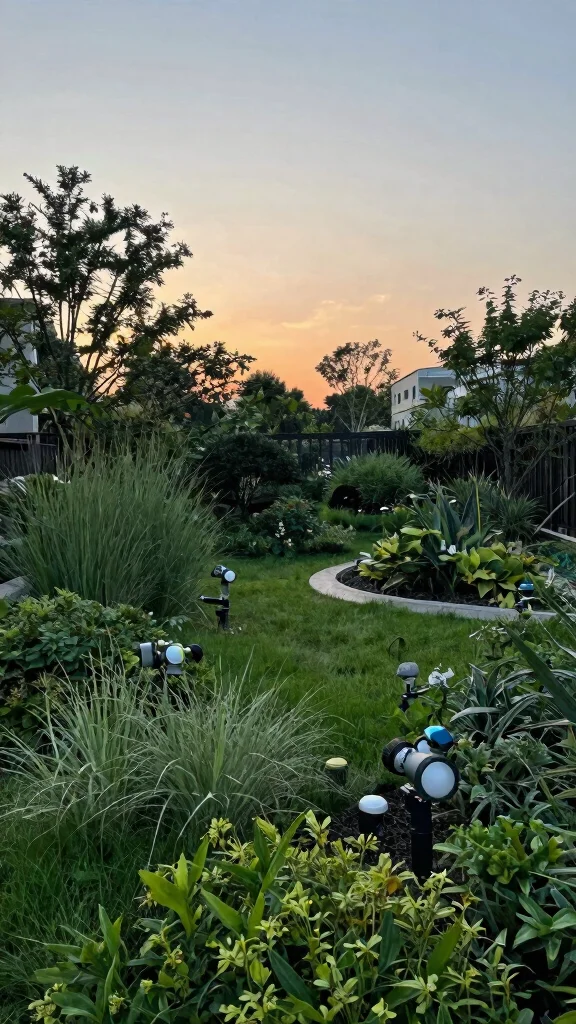
Fire safety is an integral part of urban gardening. By incorporating innovative fire sprinkler systems, we can protect our green spaces while enjoying the beauty they bring to our lives. From smart technology to community partnerships, a multitude of strategies ensures our gardens flourish safely.
As we continue to cultivate urban landscapes, let’s embrace these concepts and work toward creating safe and thriving environments for ourselves and future generations.
Note: We aim to provide accurate product links, but some may occasionally expire or become unavailable. If this happens, please search directly on Amazon for the product or a suitable alternative.
This post contains Amazon affiliate links, meaning we may earn a small commission if you purchase through our links, at no extra cost to you.
Frequently Asked Questions
How do fire sprinklers work in an urban gardening space, and why are they practical for garden protection?
Fire sprinklers respond to heat and release water through sprinkler heads to suppress fires. In an urban gardening space, they’re a practical part of garden protection and home safety for structures and equipment around sheds, compost bins, and wooden features. They’re not meant as irrigation, so plan coverage carefully to avoid overwatering your plants.
Practical steps to get started: work with a licensed installer to design coverage for key risk areas; choose outdoor-rated head types and a reliable water supply; ensure clear access for maintenance; clearly separate irrigation zones from sprinkler lines to prevent accidental triggers. With thoughtful placement, your fire sprinklers protect your urban garden without compromising plant health.
Are fire sprinklers safe for plants and irrigation systems in small container gardens?
Yes, but design matters. Fire sprinklers can wet plants if a head discharges, and they can interfere with drip irrigation if lines aren’t separated. For container gardens, aim to protect structures and pathways while keeping plant beds away from sprinkler-head coverage. Use a separate irrigation system with backflow protection and avoid tying irrigation lines together with sprinkler lines. Choose outdoor-rated heads and consider zoned coverage so you can shut off or adjust zones during maintenance. With proper planning, you get strong fire safety and healthy plants in harmony.
What maintenance is essential to keep fire safety sprinklers reliable in a garden setting?
Regular maintenance keeps fire sprinklers reliable and your home safe. Schedule an annual professional inspection in line with NFPA guidelines, and perform visual checks between visits. Keep heads and valves accessible and free from debris, mulch, or overgrown plants. Make sure the water supply and backflow preventer are clean and functioning, and test alarms or notification devices. If you live in freezing climates, protect the system from ice and freezing, or specify outdoor-rated equipment. A simple maintenance plan gives you steady fire safety and peace of mind for your urban garden.
How should I design a fire sprinkler plan for my urban garden to balance aesthetics, safety, and irrigation needs?
Start with a site map that marks structures, pathways, and high-risk features like wooden fences or tool sheds. Plan sprinkler coverage to protect those areas while keeping plant beds out of direct sprinkler paths when possible. Use weatherproof housings or concealed heads for a cleaner look and avoid placing heads where they’ll spray decorative features. Separate lines for irrigation and fire protection with proper backflow prevention, and align the system with local codes and NFPA standards. A thoughtful layout supports garden protection, landscape maintenance, and home safety in one cohesive plan.
What should I consider when choosing a fire sprinkler system for urban gardening spaces, including cost and maintenance?
Compare wet-pipe and dry-pipe options, and check water supply, pressure, and backflow prevention. Outdoor installations need weather-resistant components and proper enclosure. Factor in installation costs, ongoing maintenance, and the cost of periodic professional inspections to stay compliant with fire safety standards. Make sure the system integrates cleanly with irrigation systems without cross-contamination or interference. Finally, work with a qualified installer to tailor a solution for your garden protection and home safety goals within your budget.
Related Topics
fire safety
urban gardening
irrigation systems
landscape maintenance
garden protection
fire sprinklers
home safety
beginner friendly
sustainable gardening
fire prevention
easy setup
outdoor spaces