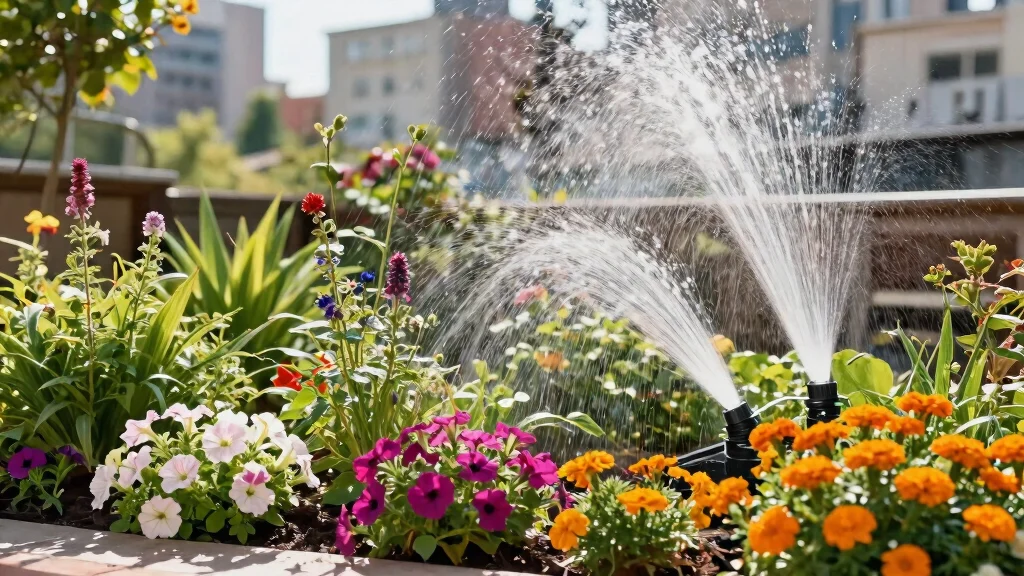
Gardening is a passion that thrives on creativity and the need for nurturing. With the right tools, your garden can transform from a simple patch of earth to a vibrant oasis. This is where the topic of water sprinklers comes into play. I’ve been diving deep into the various ways to ensure your plants get the perfect amount of water. With urban living on the rise, finding efficient and effective garden watering solutions is paramount. If you, like many others, are looking to make your garden flourish without wasting water, this post is for you.
Whether you’re a seasoned gardener or someone just starting to dabble in urban gardening, the right irrigation system can make all the difference. You care about both the health of your plants and the environment, and finding the right water sprinkler options can help you achieve both. I’ve pulled together 14 clever water sprinkler ideas that are practical, efficient, and perfect for any garden setup. Get ready to discover smart irrigation systems that will have your garden thriving in no time!
Key Takeaways
– Explore a variety of water sprinkler options that cater to different garden sizes and layouts, ensuring optimal coverage and care for your plants.
– Learn about smart sprinkler controllers that allow for easy scheduling and adjustments to keep your garden well-watered without wasting resources.
– Discover drip irrigation systems that deliver water directly to the roots of your plants, promoting healthy growth while minimizing evaporation.
– Find out how rain sensors can enhance your sprinkler systems by automatically adjusting watering schedules based on weather conditions.
– Understand the benefits of solar-powered sprinklers and how they can save you money while being eco-friendly in your watering approach.
1. Smart Sprinkler Controllers
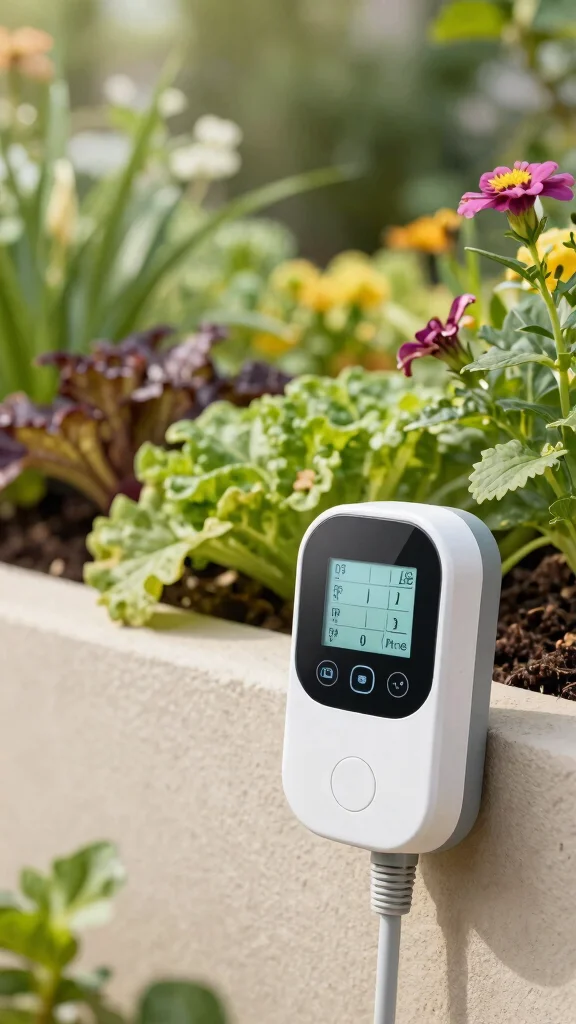
Are you tired of manually watering your garden? Smart sprinkler controllers can change your gardening game! These devices automatically adjust your watering schedule based on weather forecasts and soil moisture, ensuring your plants stay hydrated without wasting water. Imagine managing everything from your smartphone, giving you freedom and flexibility in your gardening routine.
To maximize their benefits, consider placing moisture sensors in various garden spots. This will allow the controller to deliver precise watering where needed. Many models also offer Wi-Fi capabilities for easy updates and remote adjustments.
Key features include:
– Weather-responsive programming for efficient watering.
– Soil moisture sensors to prevent overwatering.
– User-friendly apps that simplify control.
With smart technology, your garden will thrive while saving water and effort!
Did you know that smart water sprinkler controllers can cut outdoor water use by up to 30% by syncing with forecasts and soil moisture? Manage everything from your smartphone and place moisture sensors to tailor irrigation for your sunlit beds and shaded corners, saving water without starving plants.
2. Drip Irrigation Systems
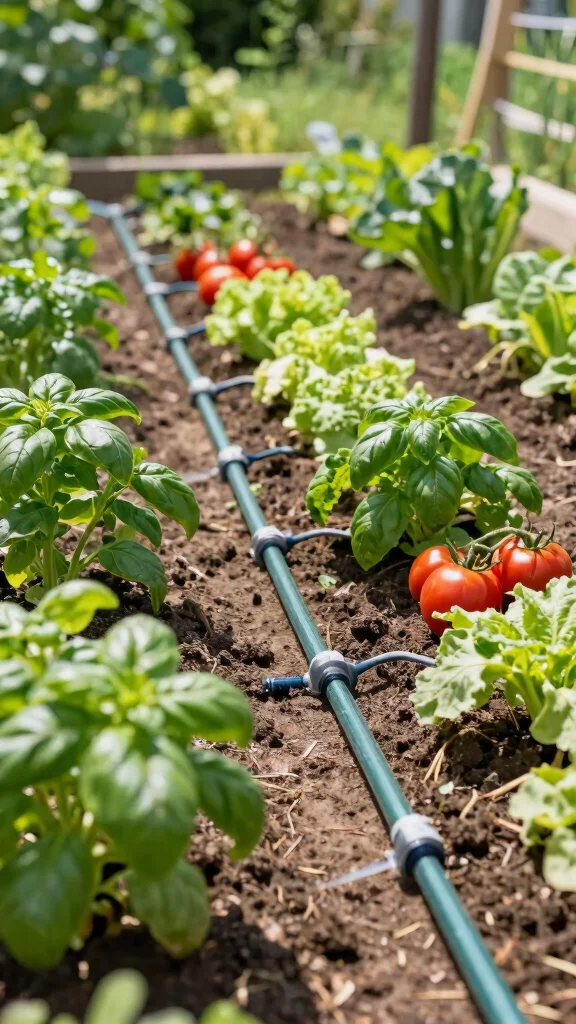
Are you looking for an efficient way to water your garden? Drip irrigation systems are a fantastic solution for urban gardens, directing water straight to the roots. This method minimizes evaporation and runoff, making it suitable for various plants like vegetables, herbs, and flowers. Plus, installation is a breeze with flexible tubing that adapts to your garden layout.
To enhance effectiveness, customize the flow rate for different plant types. Adjusting the system ensures each plant receives just the right amount of water, promoting healthy growth while saving resources.
Benefits of drip irrigation include:
– Up to 50% more efficient water usage than traditional methods.
– Reduction in weed growth thanks to targeted watering.
– Improved soil health over time.
With drip irrigation, your garden can flourish while conserving precious water resources.
3. Sprinkler Heads with Adjustable Angles
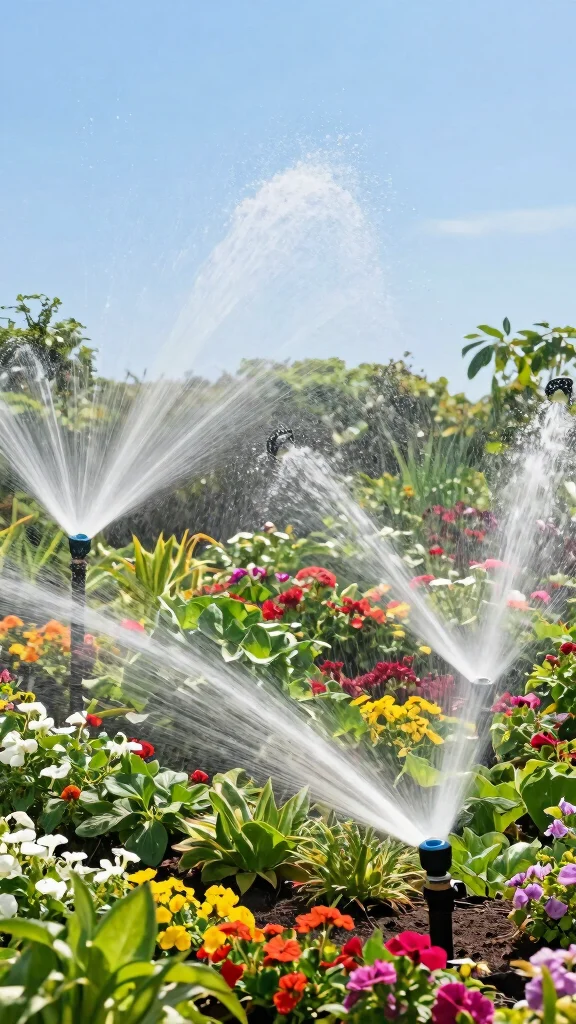
Want to ensure every corner of your garden gets watered? Adjustable sprinkler heads are the answer! These heads can be set to spray in various directions, providing coverage for irregular garden shapes. You can tailor the watering to fit the unique needs of your plants, ensuring they all receive the moisture they require.
Consider pairing these heads with a timer to automate your watering schedule. This combination offers complete control over how and when your plants are watered, reducing water waste.
Advantages of adjustable heads:
– Customizable patterns for specific garden layouts.
– Accommodates plant growth as it changes over time.
– Helps minimize water wastage by targeting specific areas.
With adjustable sprinkler heads, your garden will thrive with precise watering tailored to each plant’s needs.
4. Automated Timers
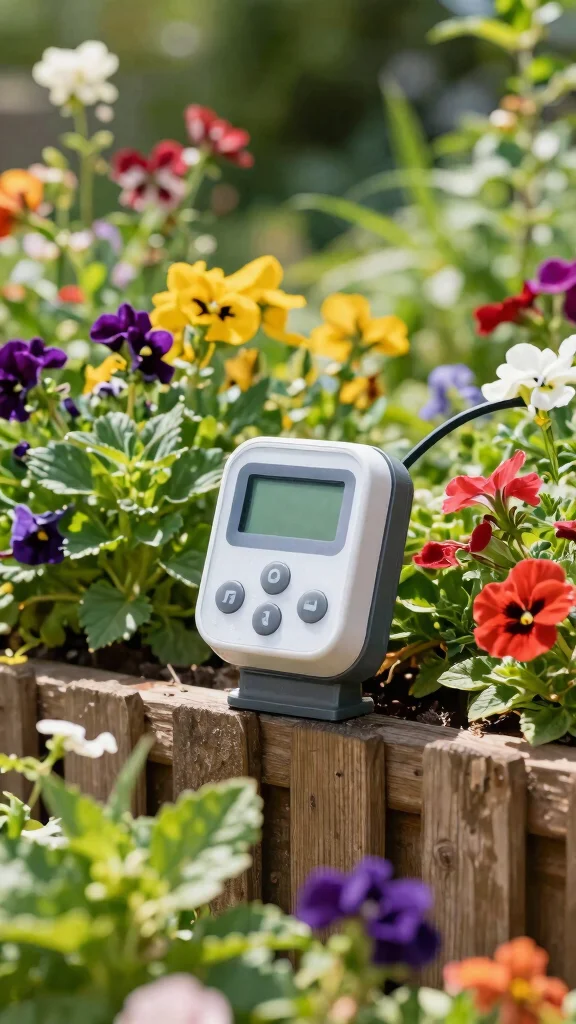
Are you overwhelmed by the demands of garden maintenance? Automated timers can take the stress out of watering! By setting specific times for your sprinklers to operate, you ensure your garden gets the hydration it needs, even when you’re busy. This hands-free solution is perfect for urban gardeners who want to maintain healthy plants without daily effort.
Try programming different zones to cater to the diverse needs of your plants. This flexibility allows you to manage watering for various garden sections effectively, ensuring each area thrives.
Benefits of using automated timers include:
– Consistent watering schedules for healthy plants.
– Flexibility to meet varying water needs in different areas.
– Peace of mind knowing your plants are cared for regularly.
By investing in automated timers, you’ll enjoy a low-maintenance garden that flourishes effortlessly.
Key Trade-offs & Our Top Pick
1. Smart Sprinkler Controllers
– Pros:
– Automatically adjusts watering schedules based on weather conditions.
– Can be controlled remotely via smartphone apps.
– Cons:
– Often requires a higher upfront investment.
– May need Wi-Fi for full functionality, which can be a barrier for some.
– Best for: Homeowners who want convenience and tech integration in their irrigation systems.
2. Drip Irrigation Systems
– Pros:
– Delivers water directly to root zones, minimizing waste.
– Ideal for gardens with a variety of plants, allowing for targeted watering.
– Cons:
– Initial setup can be complex and time-consuming.
– May need occasional maintenance to prevent clogs.
– Best for: Gardeners with diverse plant needs or those looking to conserve water effectively.
3. Oscillating Sprinklers
– Pros:
– Provides even coverage over rectangular areas, making it great for lawns.
– Simple to set up and move around as needed.
– Cons:
– Less efficient in windy conditions as water can drift away.
– Not suitable for small or oddly shaped gardens.
– Best for: Those with larger, rectangular lawns needing consistent coverage.
4. Soaker Hoses
– Pros:
– Easy to lay out and requires minimal setup time.
– Gently waters plants without runoff, conserving water usage.
– Cons:
– May not provide enough water for larger or thirsty plants in extremely hot weather.
– Can be damaged by sunlight if left out too long.
– Best for: Small gardens or flower beds where slow, deep watering is beneficial.
5. Solar-Powered Sprinklers
– Pros:
– Environmentally friendly and reduces electricity costs.
– Ideal for areas without easy access to power sources.
– Cons:
– Performance may vary based on sunlight availability.
– Generally has a higher initial cost compared to traditional systems.
– Best for: Eco-conscious gardeners or those in remote areas.
Expert Recommendation: Best Overall: Smart Sprinkler Controllers
Smart Sprinkler Controllers stand out as the best overall choice for most people. They offer excellent value for money by saving you time and water while ensuring your plants receive the right amount of moisture. Their ease of use and remote control features make them versatile and convenient for modern gardening needs. Plus, their durability ensures they will last for years, providing consistent service throughout the seasons.
Why We Picked This:
Smart Sprinkler Controllers are fantastic for anyone seeking a balance of technology and simplicity. For those on a budget or who prefer manual systems, Drip Irrigation or Soaker Hoses might be more appealing. If you have a large lawn, Oscillating Sprinklers could be the way to go. Ultimately, your choice should reflect your garden’s unique needs and your personal gardening style.
5. Soaker Hoses
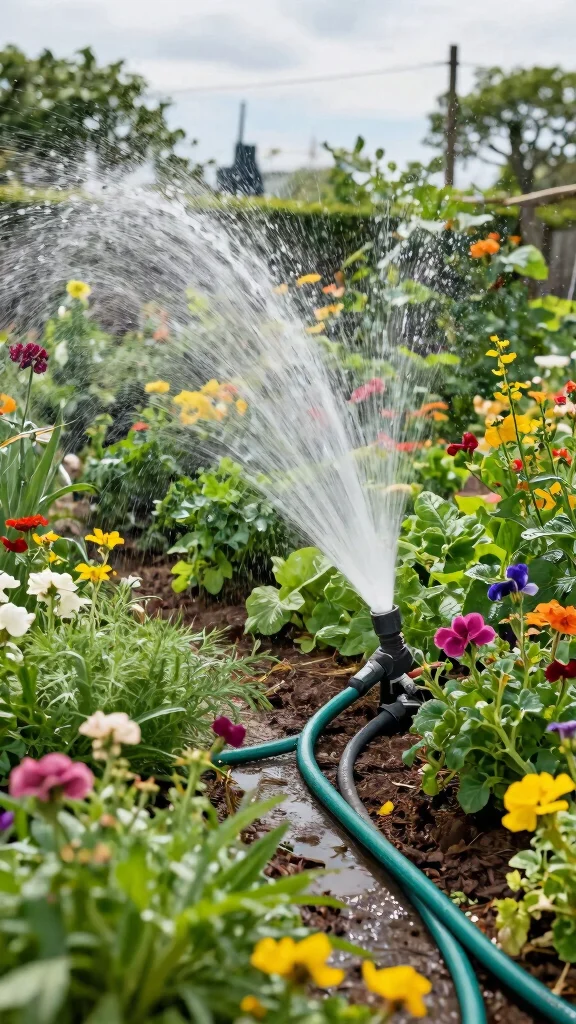
Looking for an eco-friendly way to keep your garden hydrated? Soaker hoses are an excellent choice! These hoses seep water directly into the soil, providing deep and consistent hydration while minimizing evaporation. Ideal for flower beds and vegetable patches, they ensure moisture reaches the root zone where it’s needed most.
Setting up soaker hoses is quick and easy—just lay them among your plants and connect them to a water source. You can also adjust their layout to fit your garden’s unique shape.
Consider these advantages:
– Energy-efficient with lower water pressure needs.
– Reduces weed growth by targeting roots directly.
– Flexible layouts to accommodate any garden design.
With soaker hoses, you can nurture a thriving garden while conserving both water and time.
Fun fact: Soaker hoses deliver water directly to the root zone, using up to 70% less water than overhead sprinklers. Set them under mulch for deeper hydration and fewer weeds—an eco-friendly, water-smart approach.
6. Oscillating Sprinklers
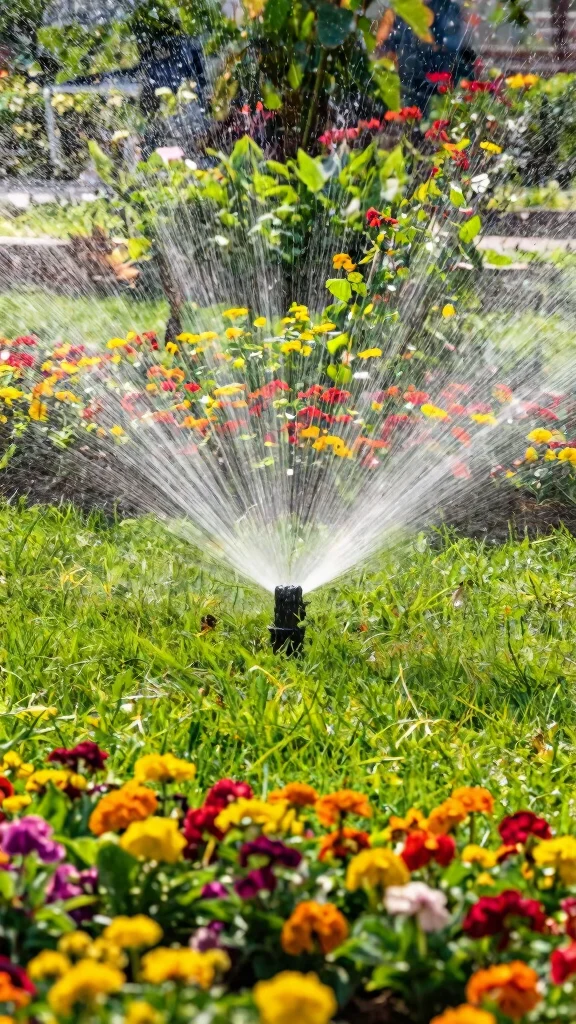
Do you have a large garden space? Oscillating sprinklers are perfect for you! They provide extensive coverage, delivering a gentle, rain-like shower to your plants. These sprinklers move back and forth to ensure every part of your garden receives the hydration it needs, making them ideal for lawns and flower beds.
Adjust the spray patterns to suit your specific watering needs. This design minimizes water waste by targeting only the areas that require it, ensuring efficient use of resources.
Why choose oscillating sprinklers?
– Wide coverage ideal for expansive gardens.
– Even distribution to prevent flooding.
– Adjustable settings cater to various plant types.
Using oscillating sprinklers will help your garden flourish while maintaining an efficient watering routine.
7. Rain Barrels with Integrated Sprinklers
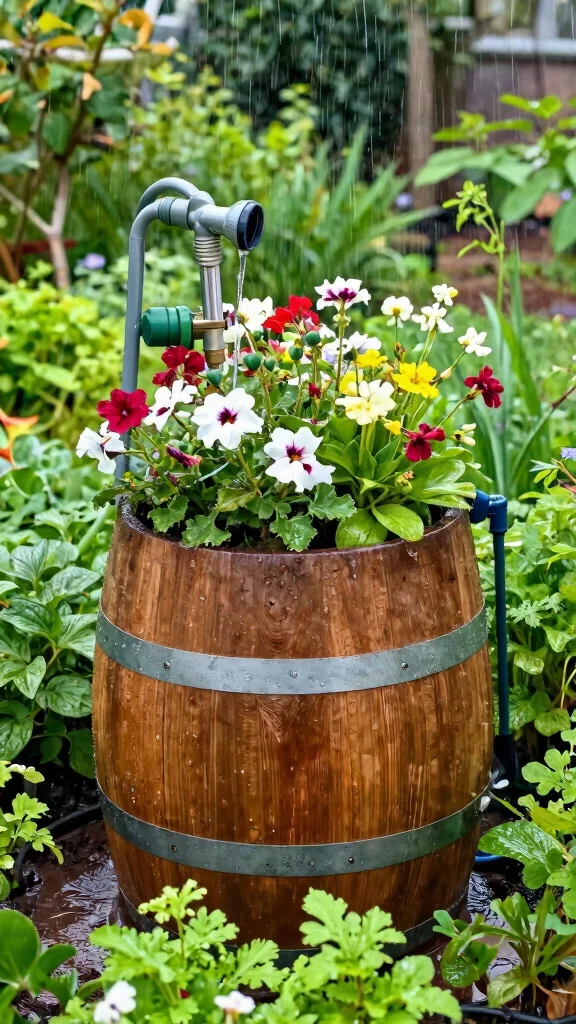
Want to make your gardening more sustainable? Rain barrels with integrated sprinklers are a great solution! These systems collect rainwater from your roof and store it in barrels, which can then be used for irrigation. This eco-friendly approach not only conserves water but also lowers your utility bills.
Consider connecting these barrels to a drip irrigation system for even more efficiency. Using natural rainwater is often healthier for your plants and can promote better growth.
Key benefits include:
– Reduction in water costs and environmental impact.
– Nutrient enrichment from natural rainwater.
– Simple integration with existing watering setups.
By using rain barrels, you enhance your gardening practices while benefiting the environment.
8. Zone Control Systems
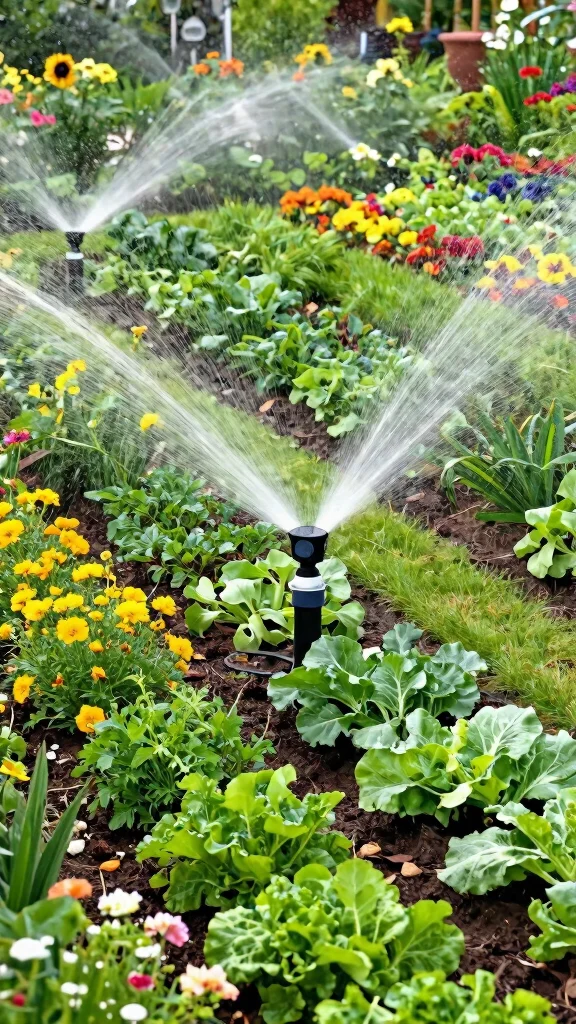
Are you struggling to manage watering for different plant types? Zone control systems allow you to customize irrigation for specific areas of your garden. This means you can provide extra care to delicate flowers while ensuring hardier shrubs receive adequate moisture.
These systems work with both traditional and smart setups, utilizing separate valves for each zone. This level of control ensures your plants get the right amount of water based on their individual needs.
Advantages of zone control include:
– Targeted watering tailored to plant requirements.
– Reduced water waste by controlling specific areas.
– Flexibility to adjust settings with seasonal changes.
Implementing zone control will optimize your watering efforts and help you create a flourishing garden year-round.
9. Solar-Powered Sprinklers

Want an eco-friendly irrigation option? Solar-powered sprinklers harness sunlight to operate, eliminating the need for electricity or batteries. This not only saves energy costs but also reduces your carbon footprint, making it a perfect fit for sunny urban gardens.
These systems are easy to install and often come with sensors that activate watering based on soil moisture or rainfall. This feature ensures your plants receive water when they truly need it.
Benefits of solar-powered sprinklers:
– Environmentally friendly and sustainable.
– Cost-saving with no energy bills.
– Simple installation and minimal upkeep required.
With solar-powered sprinklers, you can water your garden efficiently while caring for our planet.
10. Above-Ground Sprinkler Systems
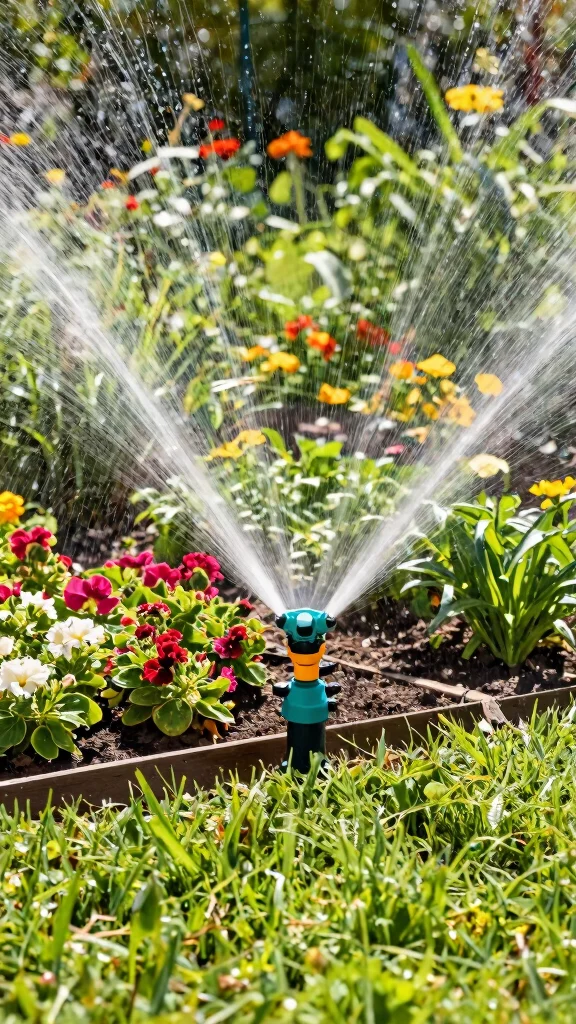
Need immediate irrigation coverage? Above-ground sprinkler systems are the way to go! These systems are easy to install and can be relocated as needed, making them versatile for various garden sizes. They efficiently deliver water without requiring permanent installations.
Explore different spray patterns to find the best fit for your garden layout. This flexibility is perfect for urban gardeners who enjoy experimenting with plant arrangements.
Why go for above-ground systems?
– No permanent setup required—great for renters.
– Cost-effective and adaptable for various garden types.
– Easy to operate and adjust as needed.
These systems help maintain a healthy garden with minimal effort and maximum efficiency.
11. Portable Sprinklers
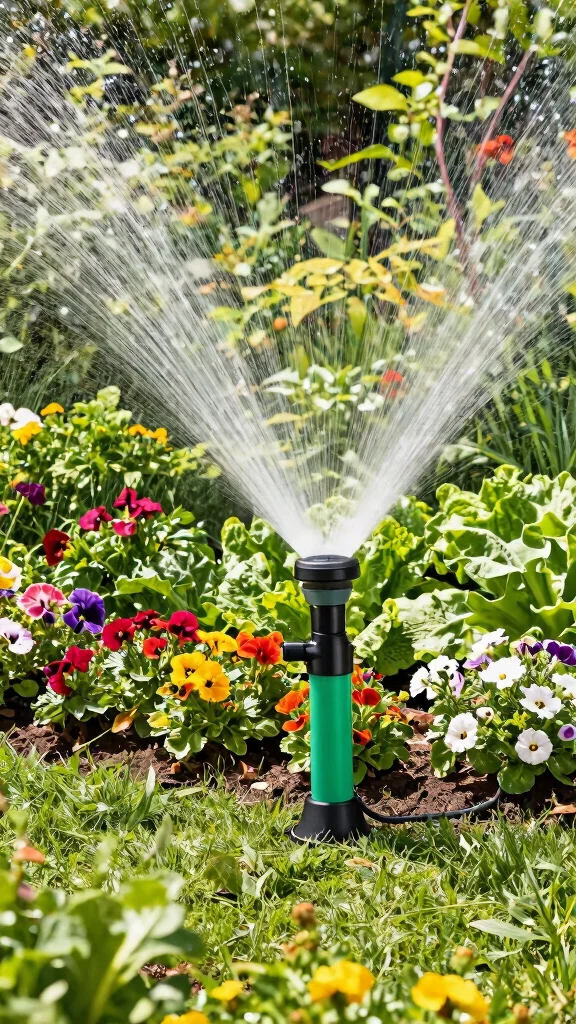
Looking for versatile watering solutions? Portable sprinklers offer the flexibility you need! These lightweight systems can be easily moved to different areas, making it simple to adjust your watering as necessary. They come in various designs, from oscillating to rotating, allowing you to choose what works best for your style.
Perfect for gardeners who frequently change plant arrangements, portable sprinklers are also ideal for smaller outdoor spaces. Their easy setup means you can start watering right away.
Benefits of portable sprinklers include:
– Flexibility to move as needed.
– Affordable option for small gardens.
– Minimal maintenance and quick setup.
You’ll love the convenience of adjusting your watering strategy on the go!
12. Rain Sensors
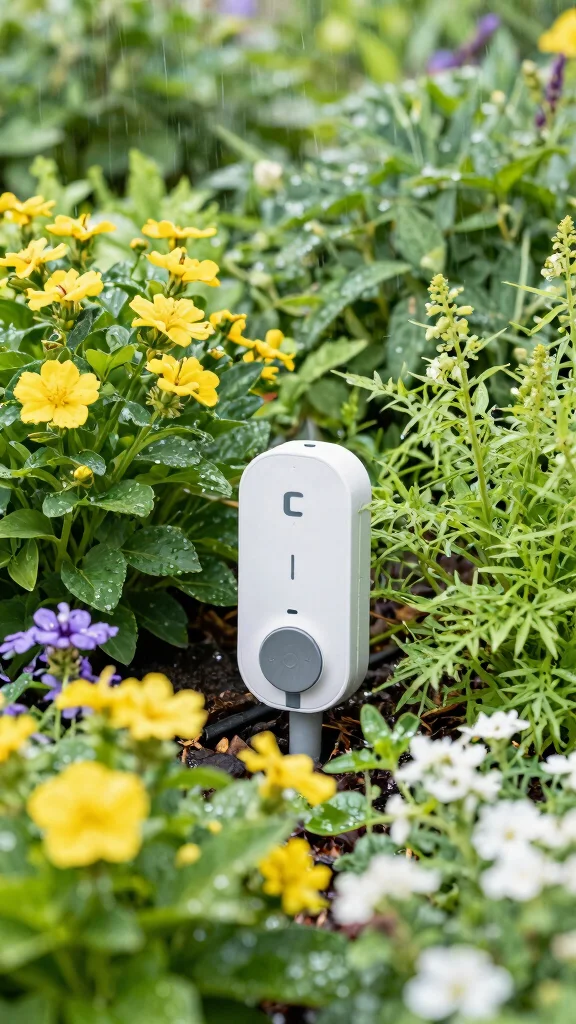
Want to make your watering routine smarter? Rain sensors are essential for any conscientious gardener! These devices automatically detect rainfall and adjust your irrigation schedule, preventing overwatering during wet conditions. This helps conserve water while keeping your plants healthy.
Integrate these sensors into your existing watering system for enhanced efficiency. They are especially useful during unpredictable weather, ensuring your plants are protected while resources are saved.
Key features include:
– Automatic rain detection that stops scheduled watering.
– Easy integration with various irrigation setups.
– Lower water bills and improved sustainability.
With a rain sensor, you can let nature assist with watering while maintaining a thriving garden.
13. Customizable Sprinkler Patterns
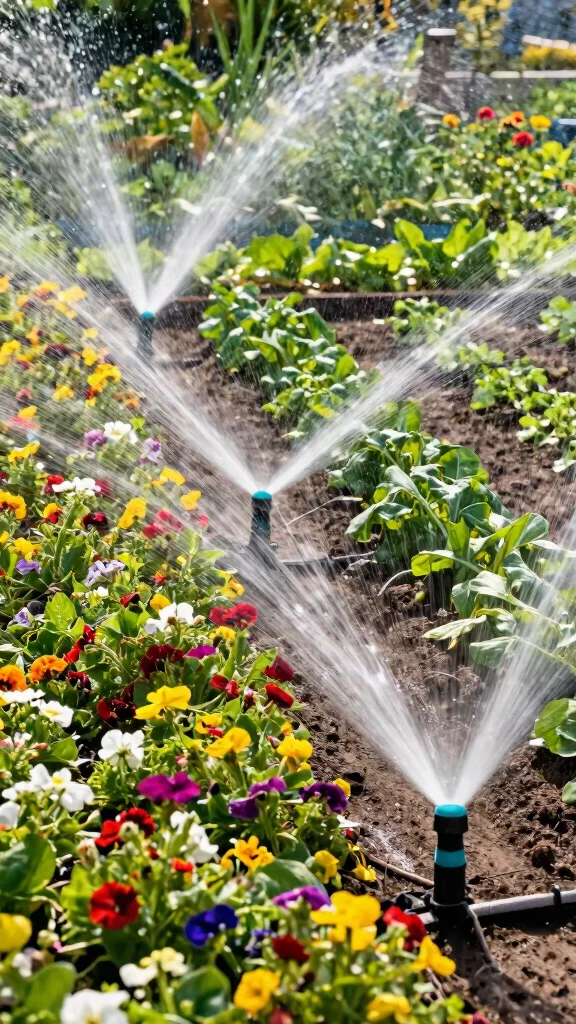
Looking to optimize your watering for different plants? Customizable sprinkler patterns let you target specific areas in your garden. This feature is ideal for those with a mix of plants, as it allows you to set varied spray distances based on each plant’s needs.
Many modern irrigation systems offer this capability through user-friendly apps or smart controllers, giving you total control over your watering.
Benefits include:
– Tailored watering for diverse plant types.
– Enhanced control over water conservation.
– Better growth and health for all garden plants.
Customizing your sprinkler patterns can lead to a vibrant and flourishing garden, ensuring every plant receives the care it deserves.
14. Water-Collecting Sprinklers
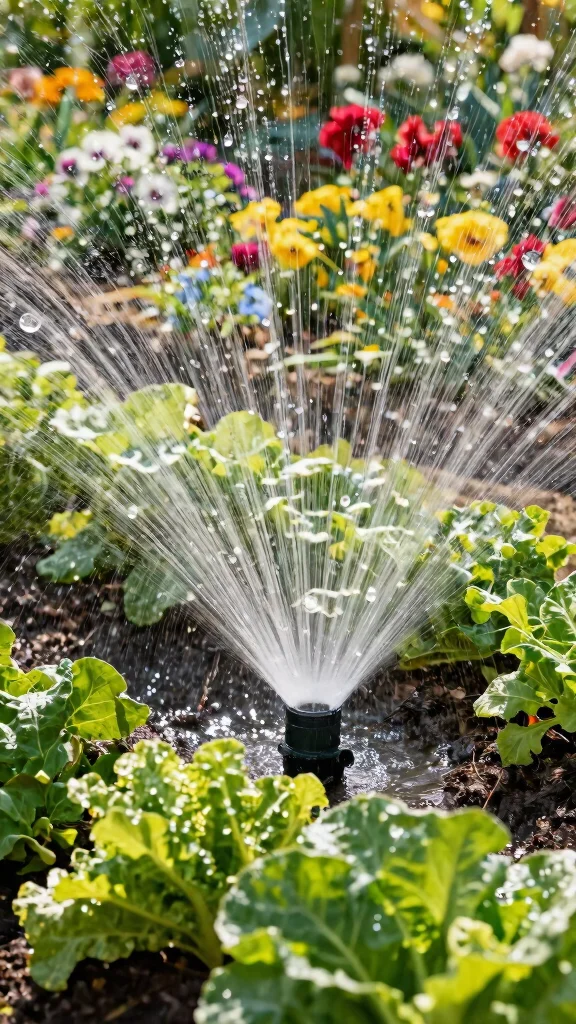
Want to manage water usage effectively? Water-collecting sprinklers are innovative devices that not only hydrate your plants but also help conserve soil moisture. They collect excess water and redirect it, providing consistent hydration while minimizing waste.
These systems are particularly valuable in areas with heavy rainfall, preventing soil erosion and flooding. They can easily be integrated with various irrigation setups for added efficiency.
Advantages include:
– Efficient water management and conservation.
– Prevention of soil erosion and runoff.
– Healthier plants thanks to consistent moisture.
By adopting water-collecting sprinklers, you can enhance your garden’s sustainability while keeping it vibrant and flourishing.
Fun fact: water-collecting sprinklers can cut irrigation waste by up to 40% in urban gardens during heavy rainfall. This smart water sprinkler design redirects excess water to hydrate roots, keeping soil moisture steady without overwatering—perfect for eco-conscious gardeners using smart irrigation systems.
Conclusion
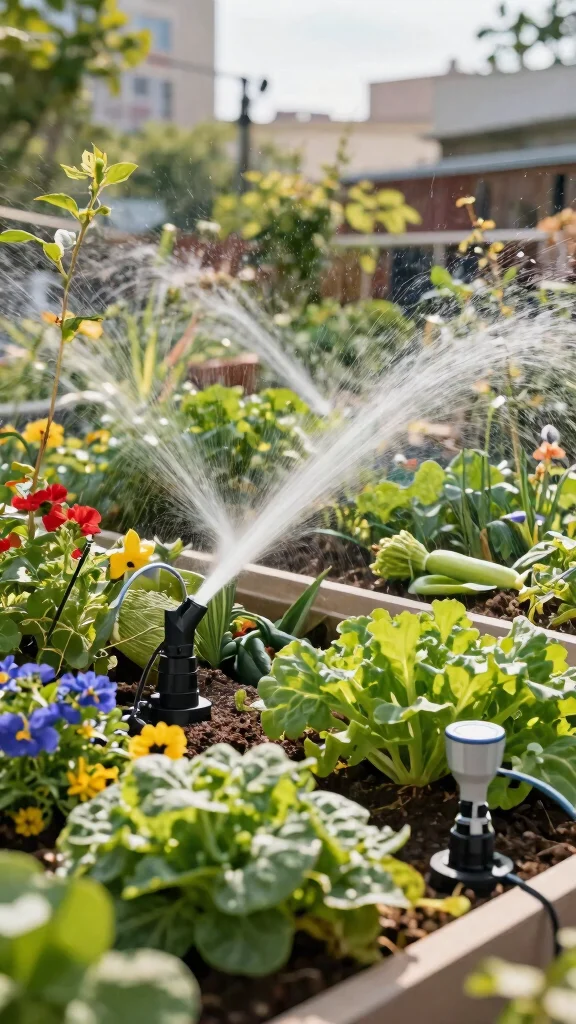
With so many innovative water sprinkler ideas, your urban garden can thrive while being efficient and eco-friendly.
Whether you choose smart controllers, soaker hoses, or customizable patterns, each solution offers unique benefits that cater to your gardening needs. Embrace these trends to ensure a vibrant, green space amid the hustle of city life.
Happy gardening!
Note: We aim to provide accurate product links, but some may occasionally expire or become unavailable. If this happens, please search directly on Amazon for the product or a suitable alternative.
This post contains Amazon affiliate links, meaning we may earn a small commission if you purchase through our links, at no extra cost to you.
Frequently Asked Questions
How can I achieve even coverage with a water sprinkler in a compact urban garden?
Even coverage in a small urban garden starts with smart zoning and the right outdoor sprinkler design. Divide your space into 2–4 zones based on sun exposure, plant type, and sprinkler reach. Use a mix of rotor heads for open areas and adjustable spray heads for beds, ensuring their arcs overlap for uniform landscape watering.
Pair your setup with a smart controller or weather-based timer to optimize run times, turning your water sprinkler into an efficient garden irrigation solution. After installation, run a quick test with catch cups to fine‑tune head spacing and duration so every corner gets the right amount of water.
What smart irrigation features maximize efficiency for a small garden?
Look for a controller with weather-based scheduling, soil moisture sensing, and zone control. These features help you tailor irrigation systems to your plants and climate. Add a rain sensor and leak detection, and keep an eye on flow to catch problems early. With app control, you can adjust timings on the fly, turning your garden watering solutions into a truly efficient garden irrigation setup, perfect for compact spaces.
How do I choose an outdoor sprinkler design that fits limited space and landscape?
Start with space-saving options like low-profile pop-up heads, compact rotaries, or micro-sprays. Check spray arc, radius, and adjustability to ensure coverage without clutter. Plan routes to water beneath shrubs and beds, and consider integrating drip lines for soil moisture and efficiency. This approach supports landscape watering and guides your outdoor sprinkler design toward best results in tight spaces.
What maintenance tips keep a water sprinkler system reliable in cities with water restrictions?
Cities with water restrictions demand reliability. Regularly clean filters and nozzles, inspect for leaks, and verify the backflow preventer is working. Winterize if you have freezing winters and flush lines after major changes. Update your controller schedule to water during cooler parts of the day and use a rain sensor to pause watering after rain. A well-maintained system saves water and stays compliant with local rules, keeping your efficient garden irrigation running smoothly.
Can I integrate irrigation systems with rainwater harvesting for an eco-friendly garden?
Absolutely. Connect a rain barrel or cistern to your irrigation design and use gravity or a small pump to feed the system for garden watering solutions that rely on captured rain. Install a filter to prevent debris, and consider a float switch to stop when the barrel is full. Pair with a weather-based controller and smart zoning to spread captured rain across your landscape watering plan, boosting the sustainability of your water sprinkler setup.
Related Topics
water sprinkler
smart irrigation
garden watering solutions
efficient irrigation
landscape watering
urban gardening
outdoor sprinkler design
beginner friendly
seasonal watering
sustainable gardening
drip irrigation
automated systems